



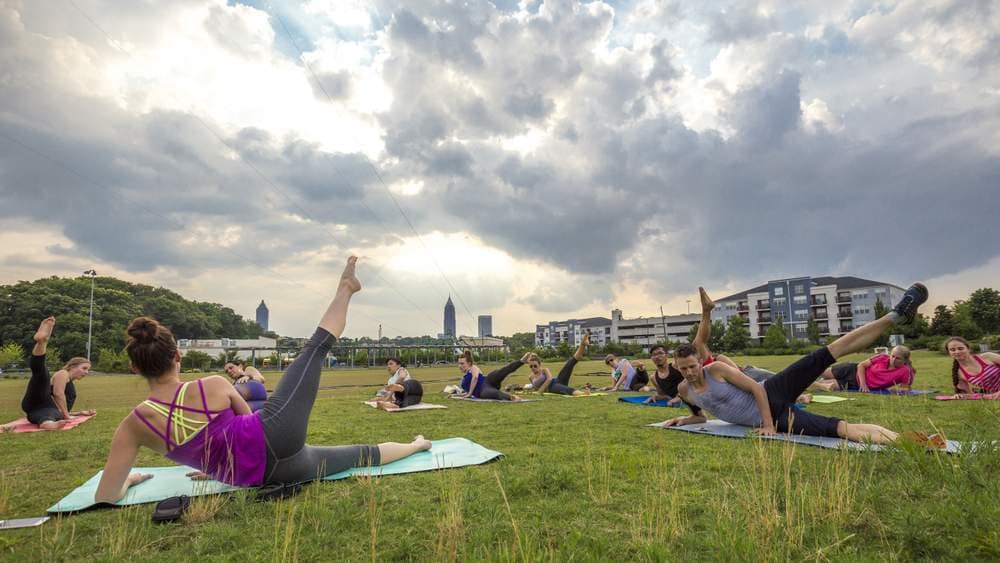
The Atlanta BeltLine’s new 2026 free fitness program is bringing instructor-led classes and pop-up movement sessions to trail corridors across the city — a low-cost way for neighbors to move, meet, and make the BeltLine part of everyday life instead of only a weekend destination.
This guide is for people who already use the trails — runners, stroller parents, commuters who bike, and anyone who lingers near trailheads — and for neighbors curious about a no-cost way to get active with other Atlantans. The picks below focus on where the program will land, who it fits best, and the small practical details that make it easy to join.
Why pay attention now: the BeltLine program is explicitly built to remove cost as a barrier and to put programming where people already go. That matters in neighborhoods feeling fast change; free, regular sessions can turn corridors into familiar civic space rather than just thoroughfares.
What the program is — and why it’s different
At its core the 2026 initiative is simple: free, instructor-led fitness sessions staged along the BeltLine’s multiuse trails. The difference for Atlanta isn’t novelty so much as reach. The BeltLine’s roughly 22-mile loop connects distinct neighborhoods, which lets programming drop into places people already travel and gather — reducing transit friction and the need for studio memberships.
Who benefits: people priced out of boutique studios, neighbors who prefer outdoor group activity, and anyone who wants movement programmed into weeknight routines instead of just weekend plans. Practical payoff: shorter trips to class, familiar faces on repeat routes, and more consistent public life on the trail.
Where it will touch neighborhoods — and what to expect
Eastside (Ponce City Market, Krog Street, Historic Fourth Ward Park): Expect high-foot-traffic, drop-in-friendly sessions aimed at workers, parents, and people passing through. Why it matters: easy access for people already stopping for coffee or errands. Who it suits: midday and evening attendees who want short, structured classes. Practical detail: these trailheads are busy — show up early for a spot and consider walking or MARTA to avoid scarce parking near Ponce City Market.
Westside segments: Programming here is likely to include larger weekend events and partnerships with local businesses and community groups. Why it matters: the Westside is where new development and long-standing neighborhoods meet, so public programs can build connection across change. Who it suits: families and those looking for community-style activations. Practical detail: plan for pop-ups that may run alongside small vendor setups or neighborhood-hosted activities.
Reynoldstown and Inman Park corridors: These residential stretches lend themselves to gentler movement — walking groups, mobility classes, slow-flow stretches. Why it matters: they fold an easy, regular option into routines for neighbors who use the trail as a daily route. Who it suits: seniors, parents with strollers, anyone easing back into fitness. Practical detail: morning or early-evening sessions will likely be shorter and neighborhood-paced.
West End and Adair Park corridors: Sessions here can serve as intentional public activation at park-adjacent trailheads. Why it matters: consistent free programming helps keep local open space accessible as nearby investments accelerate. Who it suits: community organizers, families, and neighbors who rely on the trail for errands and commutes. Practical detail: expect classes that welcome all ages and equipment-free formats so participation is easy.
How to take part (and a few practical notes)
Start at the Atlanta BeltLine’s official site for the 2026 schedule and registration — that’s the authoritative source for locations, sign-ups, and any last-minute changes. Bring a mat or towel for floor work, water, and layered clothing. For busy trailheads, arrive early; many sessions will be drop-in friendly but popular.
Transit and parking: many BeltLine trailheads are reachable by MARTA or local buses; if you drive, expect limited parking near the busiest segments and consider biking or walking from your block. Trail etiquette matters — keep right, announce when passing, leash pets, and be mindful of shared space during larger classes. If you’re unsure about class intensity, ask the instructor before participating so you can choose the right session for your comfort and fitness level.
Why this matters for Atlanta neighborhoods
Free, repeat programming on publicly owned trails does more than fill an exercise calendar. It activates civic infrastructure — the BeltLine loop — in a way that builds everyday public life. For neighbors who use the trail as a commute or a stroller route, these sessions offer reasons to linger and to notice familiar faces. For community groups and small businesses near the trail, steady programming creates predictable foot traffic and opportunities to partner on events that feel local.
Planning note: check the Atlanta BeltLine site for the most current schedule, maps, and registration links; the site is also the place to inquire about volunteering or community partnerships. If you want to keep it simple, pick a nearby trailhead you already use, show up once or twice, and see how the rhythm fits your neighborhood routine.
Atlanta BeltLine and Ponce City Market are good starting points for schedules and trail access information.
Indakno — Keeping you in the know.