



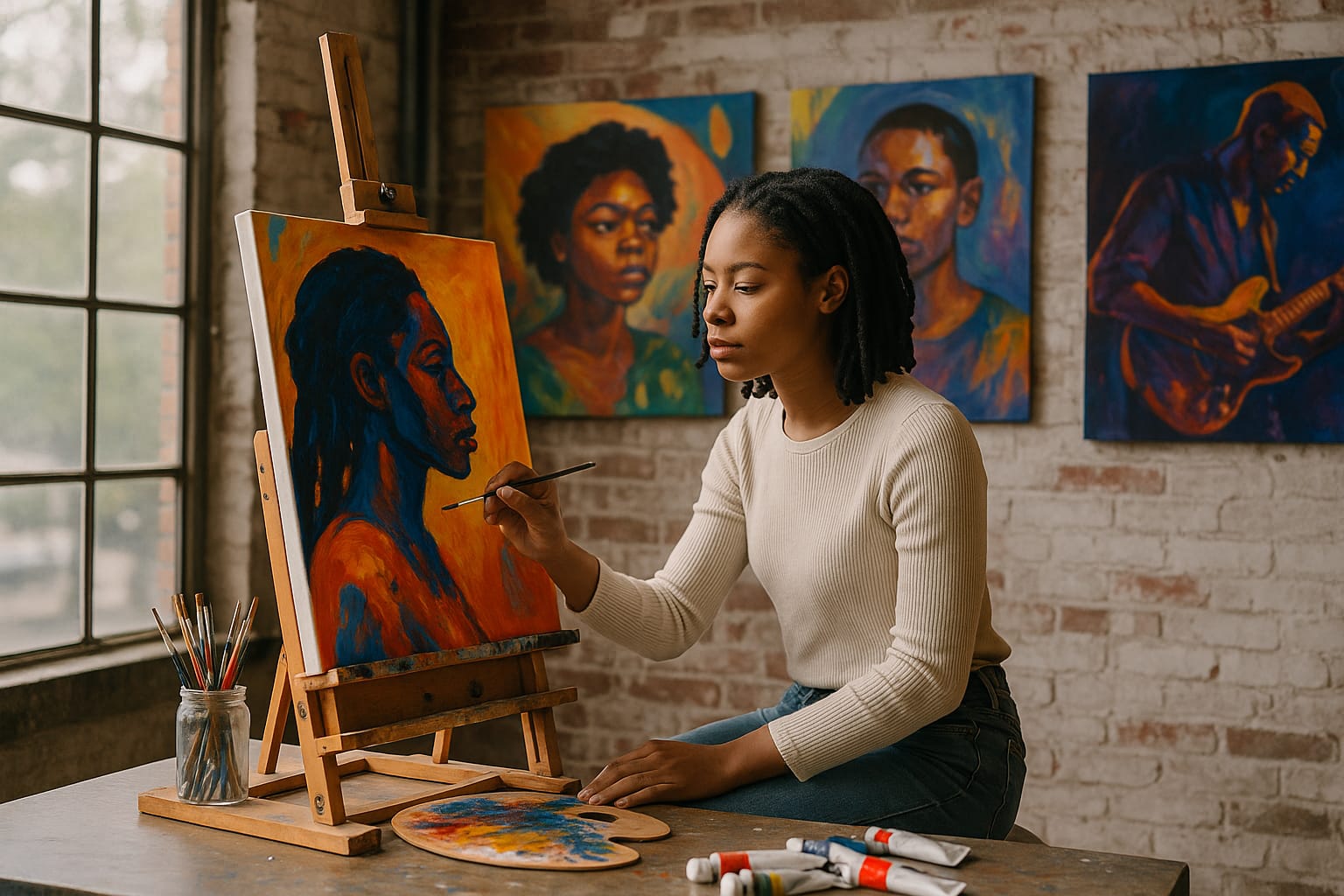
A fresh generation of Atlanta artists is reshaping how our neighborhoods look and feel — find them in galleries, pop‑ups, studios and public projects where ambition meets do‑it‑yourself grit.
If you want to see the next wave of Atlanta art before it lands in big museums, this guide is for you. These are the places where younger creatives test ideas in public: storefront shows, artist‑run nights, studio tours, and commissioned projects that talk back to the block. They matter because they’re often the first public proof that a new practice or neighborhood moment is taking hold.
Think of this as a short map for the curious local: collectors who like getting in early, neighbors who want to support nearby makers, and anyone who’d rather spend an evening seeing new work than scrolling past it. Below you’ll find dependable spots to catch rising talent, what makes each place significant for Atlanta, who’s likely to show up, and one practical detail to help you plan a visit.
Standout Picks
Atlanta Contemporary — Why it matters: The Contemporary gives local artists professional presentation and visibility alongside national names, which helps early‑career practices take a bigger step without losing their local voice. Who it suits: People who prefer gallery‑level shows that still feel connected to Atlanta’s scene—educators, collectors, and culturally curious neighbors. Practical detail: Check the rotating exhibition calendar and artist talk schedule; it’s on the Westside and pairs easily with nearby galleries and restaurants for a full afternoon or evening out.
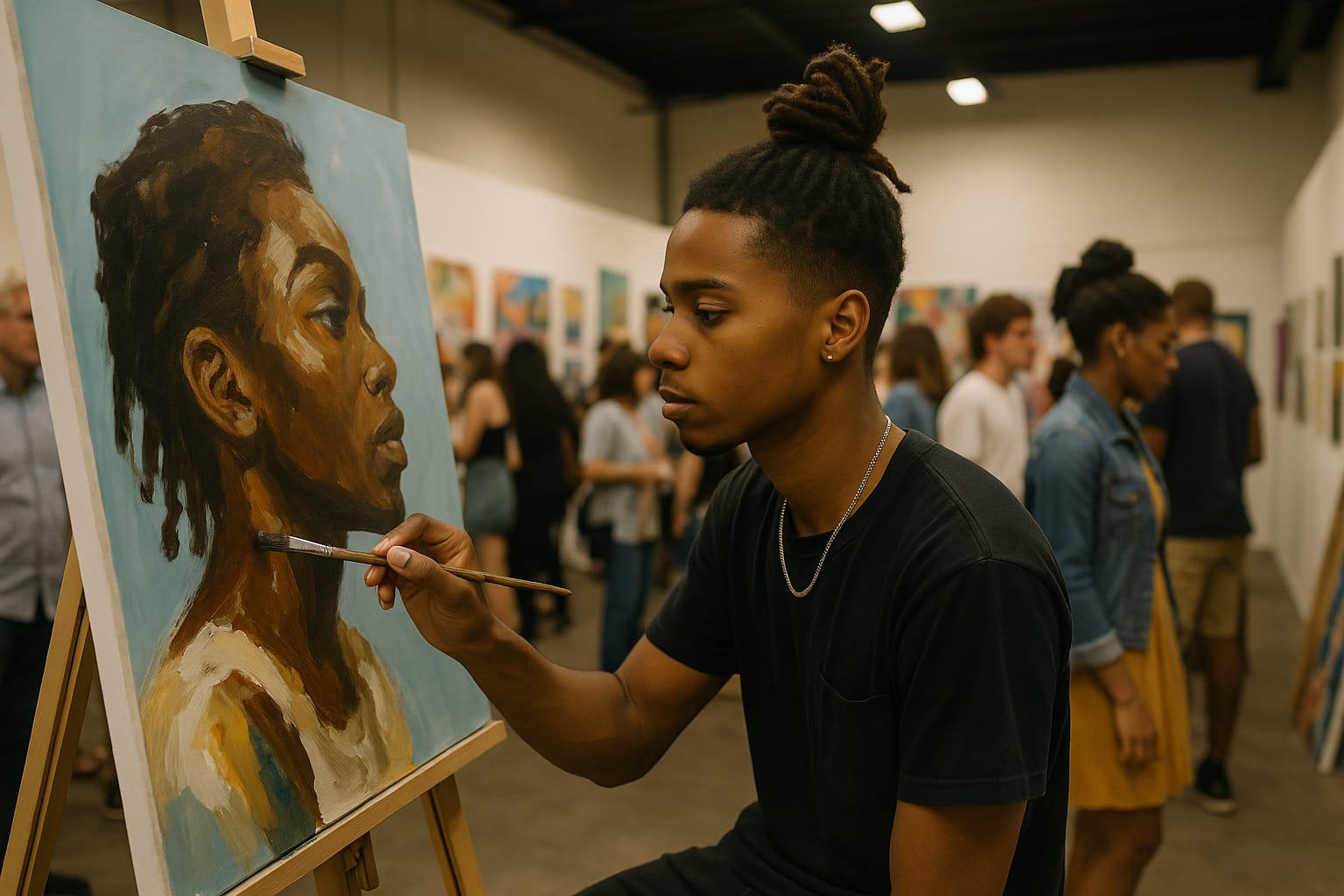
Goat Farm Arts Center — Why it matters: The Goat Farm’s wide, adaptive campus gives artists room to build large sculptures, site‑specific installations and experimental performances that wouldn’t fit in a storefront. Who it suits: Viewers who want adventurous, occasionally rough‑edged work and enjoy the feeling of a working arts compound. Practical detail: Many events are ticketed and seasonal—check the calendar for studio tours, performances and open‑studio weekends before you go.
WonderRoot — Why it matters: Operating at the neighborhood level, WonderRoot supports residencies, public art and community projects that lift up younger Black and Brown artists and connect art to civic life. Who it suits: People interested in work that engages directly with community issues—organizers, neighbors, and audiences who prefer context and conversation. Practical detail: Many projects are free and spread across blocks; keep an eye on WonderRoot’s project announcements and neighborhood maps for pop‑ups and mural walks.
Hammonds House Museum (West End) — Why it matters: As one of Atlanta’s longstanding Black art institutions, Hammonds House frames emerging voices within a broader African diaspora context, giving new work historical and community resonance. Who it suits: Visitors who want to see how contemporary practices converse with lineage and local cultural memory. Practical detail: The museum sits in West End—pair a visit with nearby eateries or a walk through the neighborhood to get a fuller picture of its cultural landscape.
Where To Start
Make gallery openings your first move. First‑Friday and third‑Saturday nights remain the most reliable way to see multiple new shows, meet artists, and pick up invitations to studio visits. Castleberry Hill and Westside gallery walks concentrate openings you can do in one evening; Little Five Points and East Atlanta Village host smaller, more unpredictable pop‑ups—follow their social feeds for the latest alerts.
Balance two calendars: institutional shows for context and resources, and artist‑run microshows for raw energy. The former gives you an arc for an artist’s development; the latter reveals the experiments that often become the next big thing.
Worth The Trip
Build a neighborhood itinerary. An afternoon on the Westside can link a Contemporary show with a nearby studio tour or outdoor sculpture; West End and Castleberry Hill offer clusters of small galleries and appointment‑only studios. For a grassroots route, map WonderRoot projects and walk the blocks where murals and installations are newly sited—you’ll get a sense of how public art changes the day‑to‑day of a place.
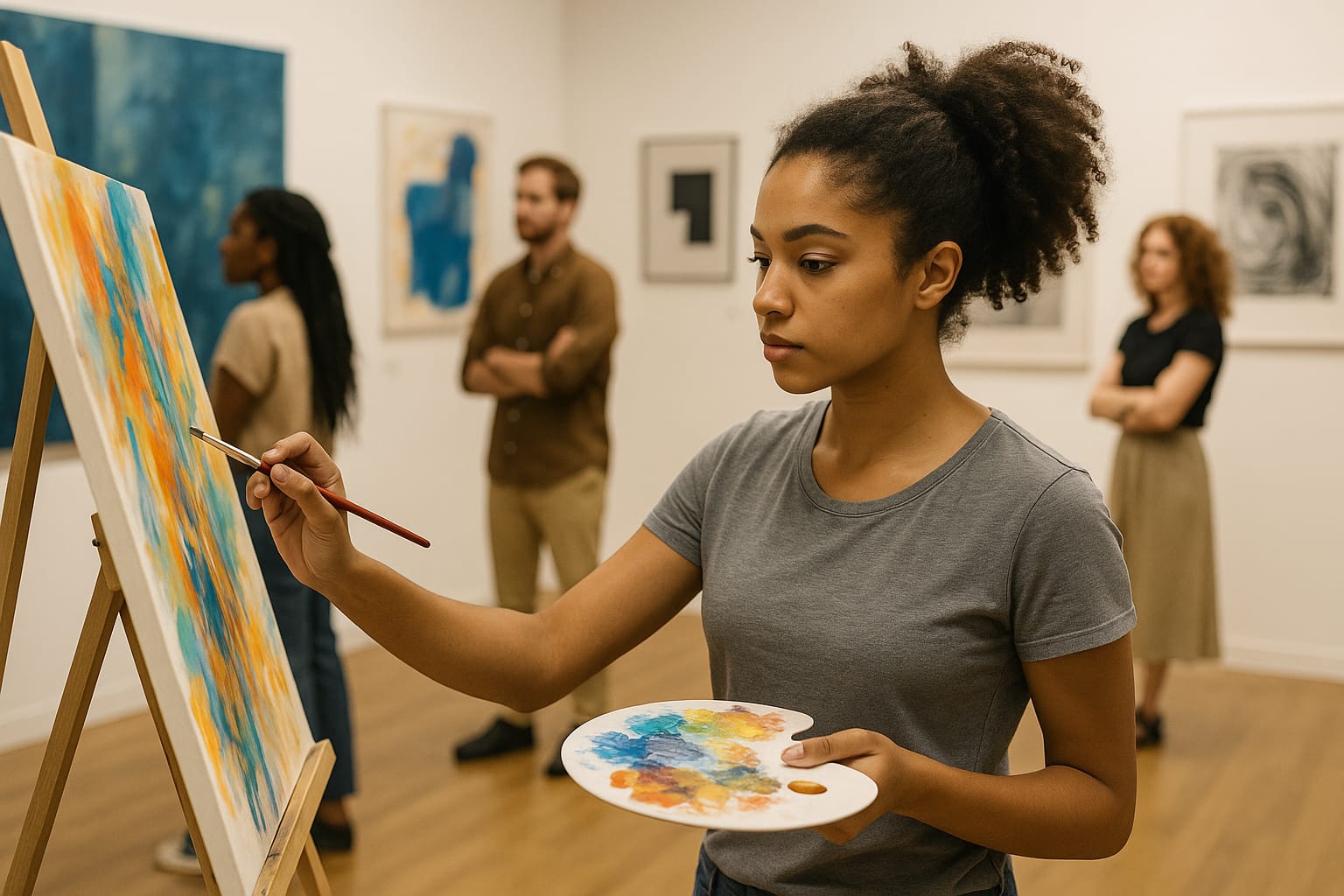
Timing is practical: openings and performances skew to evenings for foot traffic, while studio tours and site‑specific work are often daytime affairs. If you’re bringing a friend who’s new to contemporary art, plan dinner at a nearby spot—supporting local restaurants helps the whole ecosystem and makes the night feel complete.
Know Before You Go
Bring cash and curiosity. Many emerging artists sell work directly at openings or take commissions; smaller spaces may not process cards. Ask about price ranges, prints, or limited editions—and ask for an artist mailing list or Instagram handle if you want to follow their next pop‑up. Attend an artist talk, a performance, or a participatory piece when you can; those moments give context you won’t get from viewing alone.
Finally, be generous with your attention. Young artists often rely on conversations, feedback and neighborhood support as much as sales. Show up, listen, and leave knowing you helped shape what Atlanta’s cultural map looks like next.
Indakno — Keeping you in the know.