



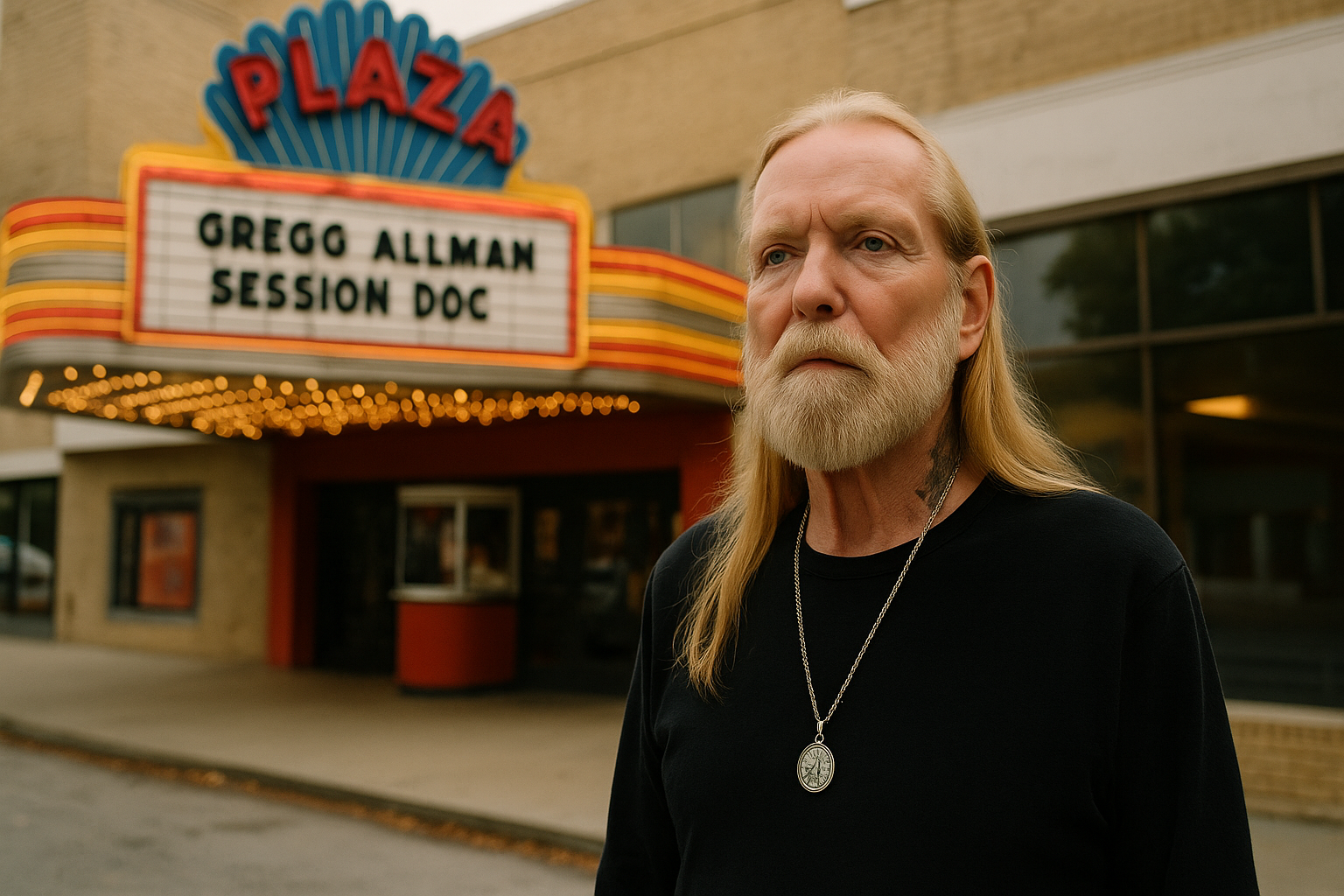
A new documentary about Gregg Allman — reviewed this week by ArtsATL — strips away rock‑star mythmaking to show the musician as a complicated artist who made some of the South’s most resonant music while living with turbulent personal demons. For Atlanta readers who hear Allman on late‑night radio, at a bar jukebox, or in the city’s jam‑scene DNA, the film reframes familiar songs as the work of a stubbornly vulnerable craftsman.
Anchor the story in Atlanta or the most relevant Atlanta location – rather than writing it as a generic metro item.
That reframing lands in Atlanta because the city is a living crossroads for the music Allman helped define. Between the clubs in Little Five Points and Decatur and the museums in Macon, his legacy still shows up in setlists, guitar lines, and the way Southern rock and Americana intersect in local lineups.
What to watch
- Read the ArtsATL review for the full critical take and close reading of the film’s framing.
- Look for screenings at local repertory houses and film series around Atlanta — if the documentary hits a festival circuit or specialty theatrical run, venues like the Historic Fox Theatre and the Plaza Theatre are the kinds of spots Atlanta programmers use for music documentaries.
- If you want context before watching, the Allman Brothers’ story and the Allman family’s archival material are collected at the Allman Brothers Band Museum, the Big House in Macon, a short drive from Atlanta.
The portrait the film paints
According to ArtsATL, the documentary resists easy mythmaking. Instead of retelling a greatest‑hits origin story, it leans into footage and testimony that show Allman’s working life: late nights in cheap rooms, the studio grind, and the recurring shadows of addiction and loss that shaped his music. The result isn’t a redemption narrative as much as a close study of craft: how Allman’s blues roots, gravelly voice, and keyboard work produced songs that sound both personal and communal.
The film’s tight focus matters because Gregg Allman’s influence is both historical and living. The Allman Brothers Band transformed how Southern rock circulated—through extended improvisation, duet guitar work, and a willingness to graft blues, country and R&B into a single sound. Those are the same impulses you still hear in Atlanta’s live circuit and in bands that sit between Americana and the jam scene.
The local thread
Atlanta remembers Allman not as a distant icon but as a sonic forebear: you’ll hear his songs cut into covers or quoted between sets at rooms across the city, from downtown stages like the Tabernacle to neighborhood halls like Variety Playhouse and intimate songwriters’ rooms such as Eddie’s Attic in Decatur. Producers, session players and touring Americana acts based in Atlanta still trace part of their lineage to the textures Allman helped popularize.
Visiting the Big House in Macon adds another layer: the museum collects the ephemera of a career that was messy, generous and influential. For Atlantans, that pilgrimage—an easy day trip—connects a city music scene with the deeper Georgia roots in the documentary’s footage.
If you go looking for reasons the film lands now, start with its insistence on complexity. It refuses tidy morality, instead offering the artist as a source of aching songs and uneven choices. For Atlanta listeners, that’s useful: the documentary doesn’t just repackage nostalgia. It asks why certain Southern songs keep being played in our clubs and what we mean when we call someone a legend.
Indakno – Keeping You In The Know