



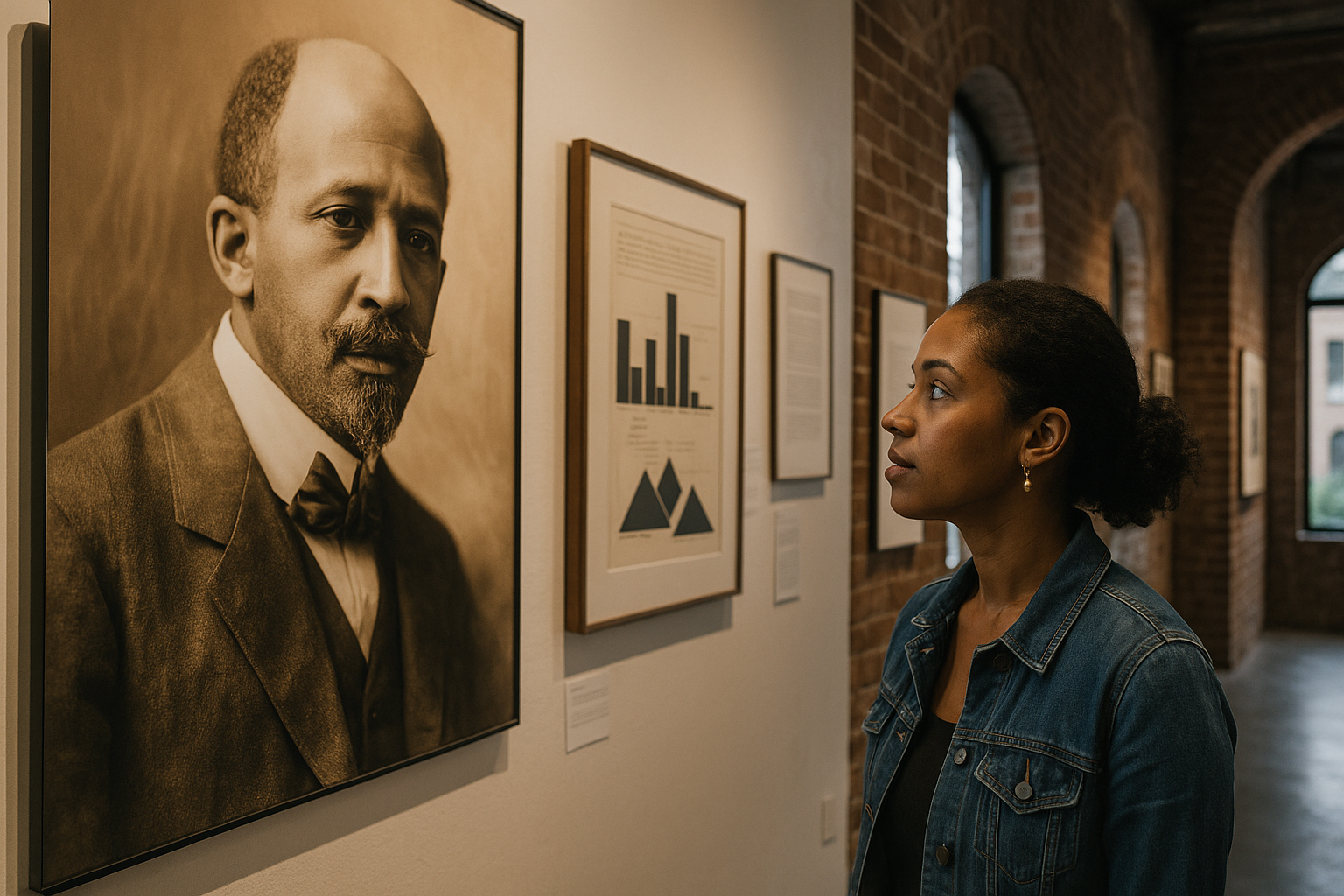
ADAMA’s new presentation of W.E.B. Du Bois material is doing more than draw a crowd; it’s staking a claim. When a museum in Castleberry Hill programs Du Bois — the scholar whose life and archive anchor national conversations about race, cities, and archives — it signals that this loft-and-gallery neighborhood is stepping up from weekend gallery-hopping into a place where Atlanta’s civic art life can happen on a substantive, institutional scale.
That shift matters for readers who go out in the city deliberately: Castleberry Hill is still easier to reach than West Midtown, cheaper to rent than Midtown proper, and now it’s collecting exhibitions that expect scrutiny and public programming, not just foot traffic. ADAMA’s Du Bois show reframes the neighborhood as a site for sustained cultural conversation, and it’s worth paying attention to what the curatorial calendar — and the block-scale ecosystem around it — is trying to do next.
Where to start
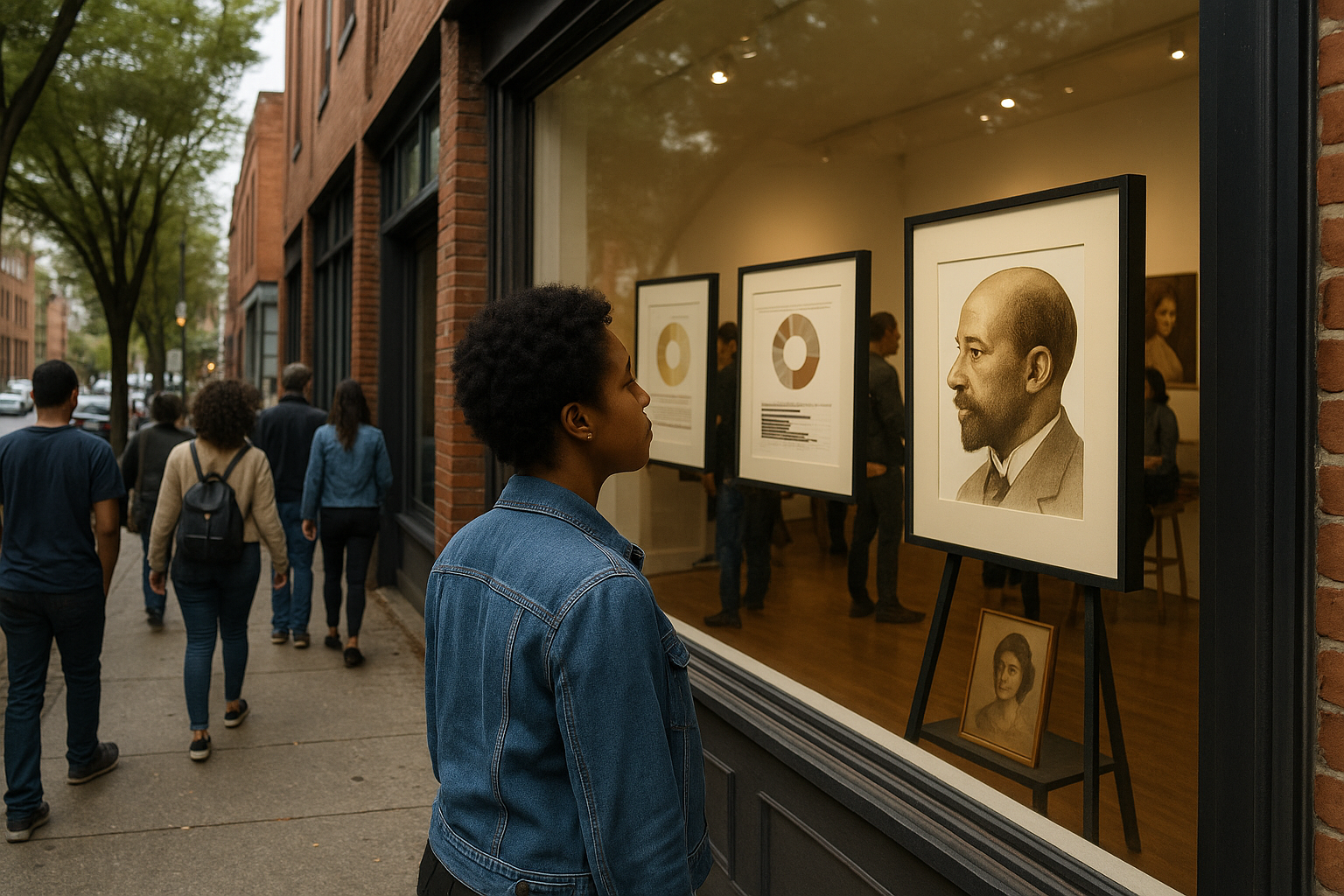
Plan to make ADAMA your first stop: the museum’s Du Bois project is the reason to prioritize Castleberry Hill on a weekday afternoon or a deliberate Saturday. Check ADAMA’s site for current hours and any ticketed talks or docent tours tied to the exhibition. From there, the Castleberry Hill Art District’s cluster of small galleries is a short walk; the district’s official pages list member galleries and monthly open-studio nights if you want an organized route through the neighborhood.
ADAMA’s Du Bois moment — what it signals
Programming a Du Bois exhibition is not a casual gallery show. It requires archival loans, scholarly framing, and public programming that positions a museum as a civic player. ADAMA taking on that responsibility signals two things: first, that Castleberry Hill institutions are aiming for long-form cultural work rather than pop-up novelty; and second, that funders, lenders, and scholars are willing to treat a Castleberry Hill address as a serious venue.
For Atlanta, that’s a recalibration. Museums and university centers clustered elsewhere — from the Atlanta University Center to downtown’s civic museums — have long housed weighty archival shows. ADAMA’s Du Bois program brings that scale of conversation into Castleberry Hill, making the neighborhood a practical alternative when institutions want a more intimate, urban-proximate exhibition site that still carries academic and curatorial heft.
What to see next in the district
Castleberry Hill’s advantage is density: galleries, artist studios, and performance spots are packed into a few walkable blocks, which means an exhibition at ADAMA can be the anchor for a half-day of artgoing. After the museum, knock on gallery doors in the Castleberry Hill Art District to see rotating contemporary shows, or time your visit for an open-studio night to catch artists in conversation. If you want historical context, the nearby Atlanta University Center and downtown institutions offer archival complements that deepen a Du Bois visit.
Practically: aim for public programs tied to the exhibition (lectures, panels, workshops). Those are the moments when Castleberry Hill behaves like an arts district with civic ambition — not a marketplace for weekend browsing but a neighborhood hosting sustained public discourse.
ADAMA’s Du Bois exhibition isn’t just a single-show headline. It’s a test: can Castleberry Hill hold serious, research-driven, publicly minded exhibitions and build programming rhythms around them? If the answer is yes, the neighborhood will start to look less like an artist weekend stop and more like Atlanta’s working civic-art address — a place where the city’s art institutions come to present ideas they want people to wrestle with, not just admire.
Indakno – Keeping You In The Know