



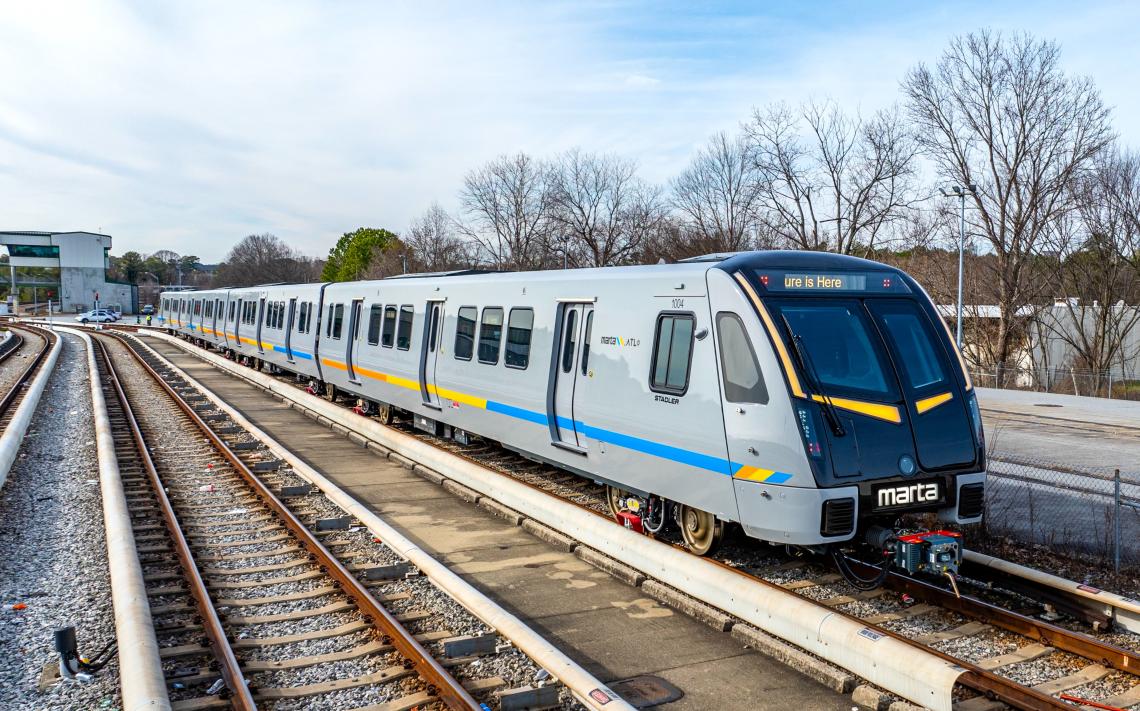
MARTA says the approach is intentional: modernize the system without disrupting riders as equipment is tested and installed station by station.
🔗 MARTA official website:
https://www.itsmarta.com/
🔗 MARTA fares & fare programs:
https://www.itsmarta.com/fare-programs.aspx
What Riders Are Seeing at Stations
For many riders, the changes are noticeable but not yet disruptive. Stations show:
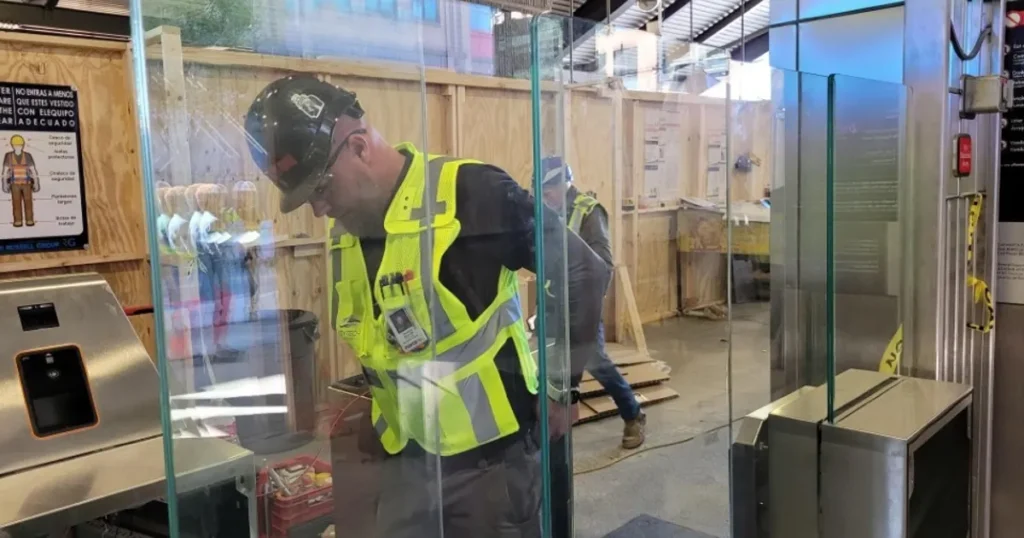
- Newly installed or retrofitted faregates
- Updated signage
- MARTA staff and contractors testing equipment
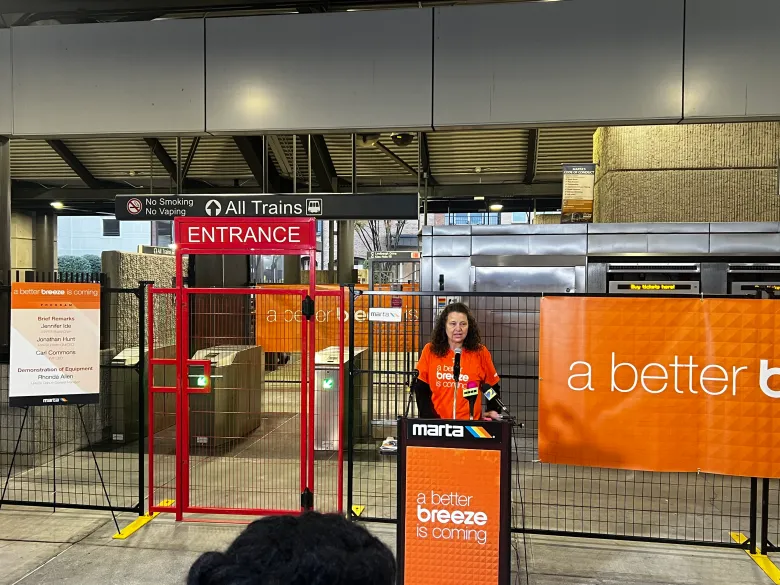
Because the rollout is phased, most stations are currently operating in a pass‑through mode, meaning riders are not required to tap in or out at every gate. That temporary openness has eased concerns in neighborhoods where transit access is essential—especially for seniors, students, people with disabilities, and riders traveling with strollers or bikes.
The installation schedule coincides with a busy season for the city—festivals, school semesters, and increased downtown activity—suggesting MARTA is prioritizing continuity while upgrades are underway.
Why MARTA Is Updating Its Fare System
Like transit agencies nationwide, MARTA is moving away from aging fare technology toward account‑based, contactless systems. The goals include:
- Faster and more reliable fare processing
- Reduced maintenance issues tied to older equipment
- Better data to support service planning
- Flexibility for mobile ticketing and reloadable fare options
For riders who combine buses and trains—or connect to other regional services—modern fare systems can eventually make trips smoother and more predictable.
MARTA has emphasized that the upgrade is about long‑term reliability and flexibility, not immediate enforcement.
🔗 MARTA service updates & rider alerts:
https://www.itsmarta.com/service-updates.aspx
Neighborhood Questions and Community Texture
Even with the gates open, fare‑system changes often raise practical questions at the neighborhood level:
- Will access become harder for riders without smartphones or bank cards?
- How will enforcement work once gates are fully active?
- Will station construction affect nearby businesses, markets, or event shuttles?
These concerns play out differently across the city—from Five Points, where multiple lines converge, to stations near West End, Edgewood, Bankhead, and the Westside, where transit access is closely tied to neighborhood life.
A phased rollout gives MARTA, riders, and community groups time to identify issues early—before the system is fully enforced.
Balancing Modernization and Equitable Access
Faregates often bring a broader debate into focus: how to balance fare compliance with equitable access. Transit advocates across the country caution that strict enforcement without clear alternatives can disproportionately affect low‑income riders.
Because MARTA’s gates are still in a testing phase, riders and neighborhood organizations have an opportunity to engage on details such as:
- Accessible entry points
- On‑site staffing and assistance
- Options for cash‑based or reduced‑fare riders
MARTA already operates reduced‑fare and mobility programs, and how those programs integrate with the new system will be a key issue to watch.
🔗 MARTA reduced‑fare & mobility programs:
https://www.itsmarta.com/reduced-fare-programs.aspx
What’s Next—and What to Watch For
MARTA has said the upgrade will continue station by station, but several details remain important for riders and neighborhoods to monitor:
- When gates will transition from open testing to full activation
- Which stations may activate first
- How enforcement will be handled once testing ends
- How riders without digital payment options will be supported
MARTA has not announced a single systemwide “switch‑on” date, underscoring that the process will unfold over time.
For the most accurate information, riders should rely on official MARTA announcements rather than social media speculation.
Transit Upgrades and Neighborhood Momentum
Fare‑system upgrades are more than a technical fix—they shape how people move through the city. Reliable, easy‑to‑use transit supports:
- Local businesses near stations
- Arts and cultural events that depend on transit access
- New housing and job growth along transit corridors
Across Atlanta, neighborhoods are already building around transit—pop‑up markets near stations, new housing within walking distance, and community spaces designed to be rail‑accessible. A modern fare system can reinforce that momentum, if rolled out with attention to the people who rely on MARTA every day.
How Riders and Neighbors Can Engage
Residents who want to stay involved can:
- Follow MARTA updates and FAQs on official channels
- Attend neighborhood meetings where transit issues are discussed
- Share feedback through MARTA’s customer service and outreach programs
🔗 MARTA contact & customer feedback:
https://www.itsmarta.com/contact-us.aspx
Station upgrades may be implemented systemwide, but their impacts are felt block by block—outside corner stores, near schools, and along the sidewalks that carry Atlanta’s daily rhythm.
A Transition in Progress
For now, MARTA’s new faregates are part of the background—installed, tested, and quietly signaling what’s coming next, while remaining open to keep the system moving. How this transition unfolds will shape rider trust and neighborhood access in the years ahead.
We’ll continue tracking the rollout as MARTA releases additional details on timelines, enforcement, and rider accommodations.
— Indakno: neighborhood‑first reporting on Atlanta transit, growth, and daily life