



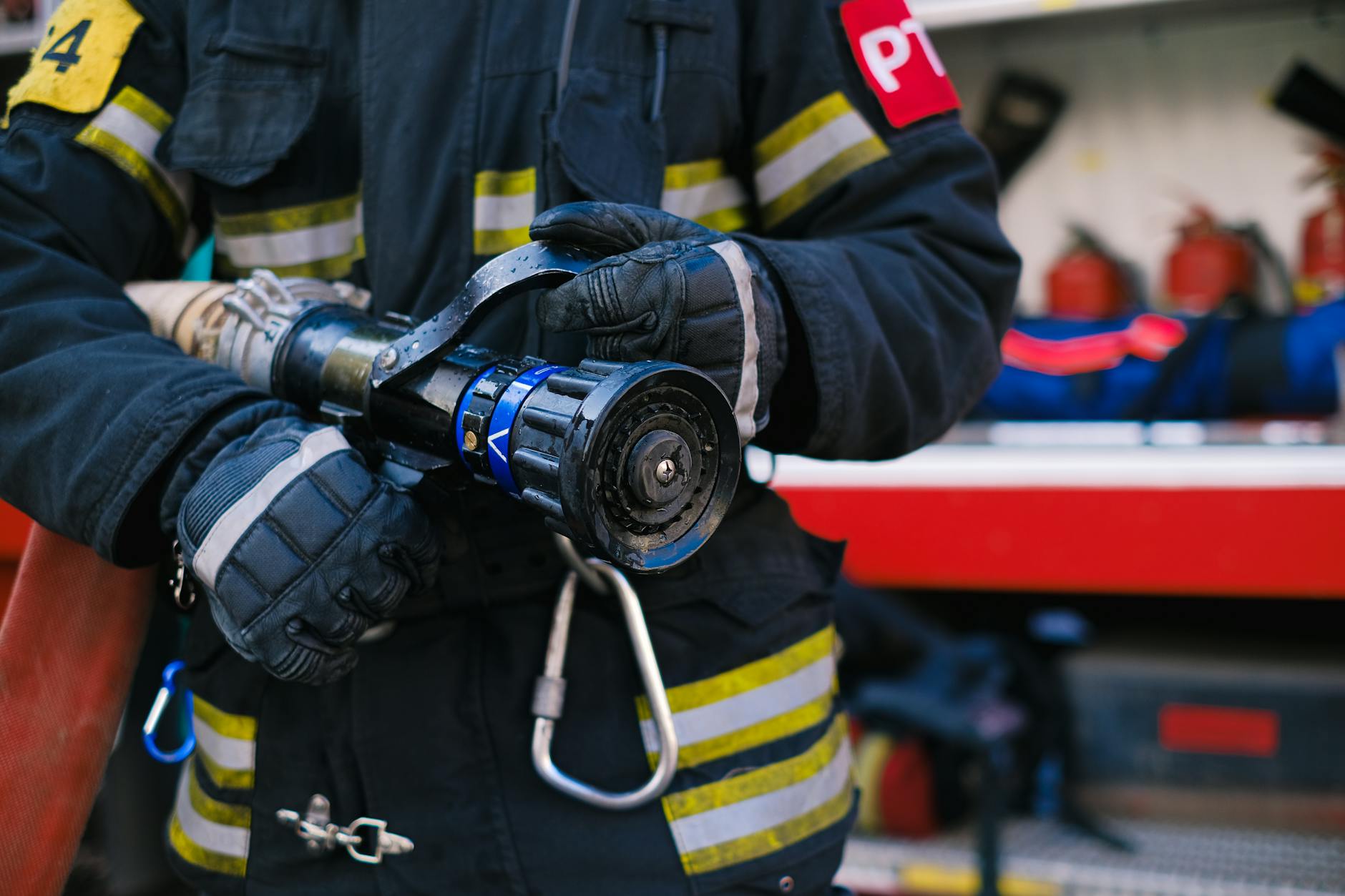
AFRD’s outreach blends prevention, education and partnerships to lower preventable fires and injuries across neighborhoods.
Atlanta Fire Rescue has been shifting some of its public-facing work upstream of emergencies: instead of only reporting on runs and rescues, the department is packaging prevention, education and neighborhood outreach into an ongoing community risk‑reduction program designed to keep fires and preventable injuries from happening in the first place.
Fast facts
-
- AFRD treats prevention as a core mission alongside emergency response. The department publishes news and updates that frame community risk reduction as a bundle of prevention, education and outreach activities rather than only describing firefighters as first responders—positioning routine outreach as a deliberate part of lowering incidents citywide.
-
- Public-education programs reach schools and neighborhood audiences through visits and demonstrations. AFRD runs school visits, station open houses and live safety demonstrations that teach children and residents how to prevent fires, respond to smoke alarms and practice basic first‑aid and escape planning in everyday settings.
-
- Targeted smoke‑alarm and home‑safety outreach focuses on at‑risk households through partnerships. The department coordinates with local nonprofits and community groups to distribute and install smoke alarms and provide home‑safety advice—efforts aimed at households that data or local partners identify as having heightened fire or injury risk.
-
- Inspections and code‑compliance work are integrated with prevention messaging in neighborhood strategies. AFRD links inspection and code‑compliance activities with public‑education campaigns, coordinating technical work (inspections, enforcement) and outreach so fire prevention messages are reinforced in the same neighborhoods where physical risks are being reduced.
- The department uses news channels to expand volunteer, recruitment and community‑partnership opportunities tied to prevention. AFRD announces recruitment drives, volunteer openings and partnership opportunities in its public news channels—encouraging residents, civic groups and local organizations to plug into prevention, preparedness and community‑risk work beyond emergency staffing.
The story behind it
The practical result is a mix of face-to-face education, targeted physical interventions and coordinated enforcement. AFRD visits classrooms with age-appropriate safety lessons, invites families to station open houses for demonstrations, and deploys teams into neighborhoods to test smoke alarms or install new units where needed. Those encounters are more than goodwill gestures: they are opportunities to share escape plans, show how portable extinguishers and alarms work, and connect residents with follow‑up resources from partner groups.
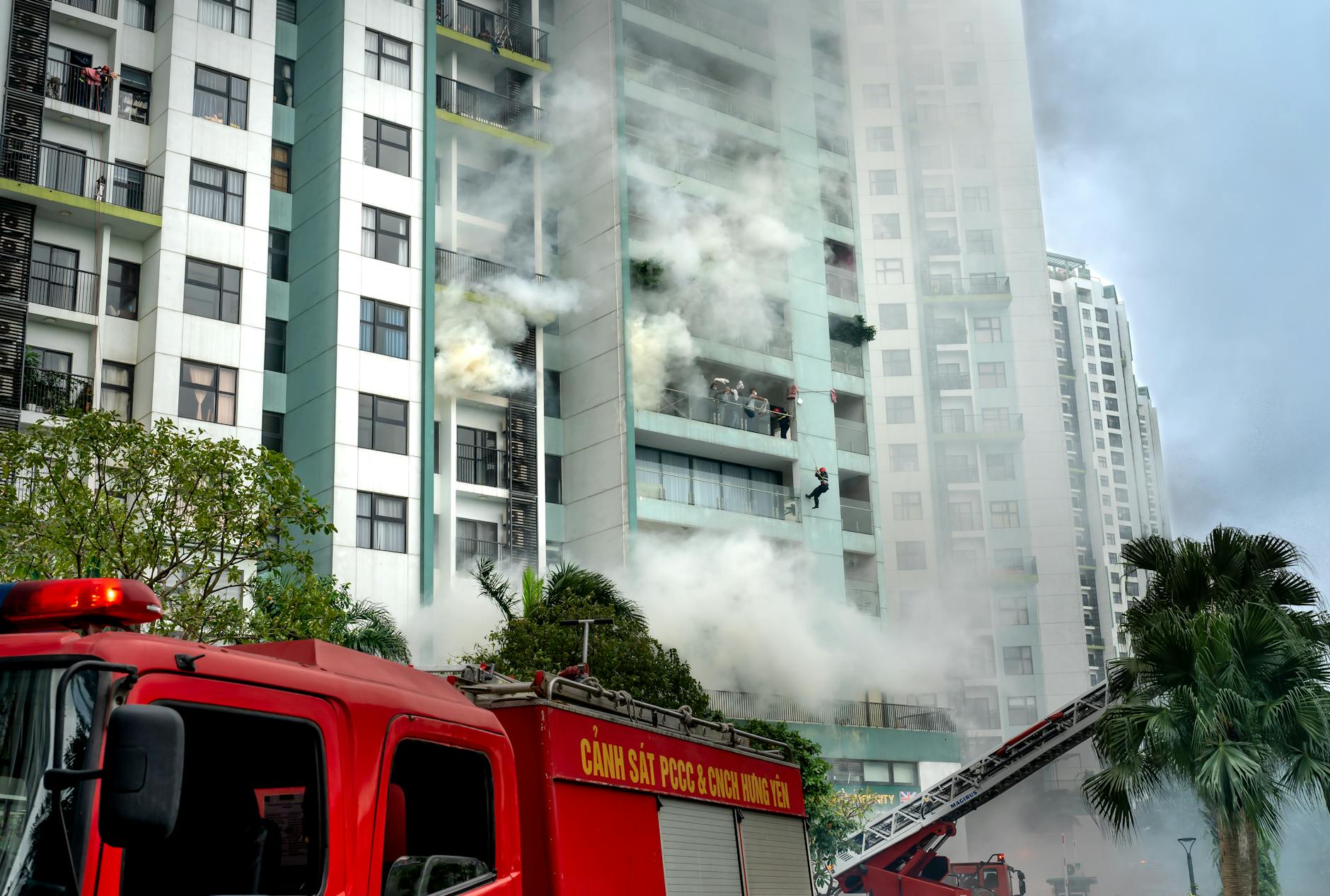
That partner network is central. The department’s outreach work often happens in collaboration with local nonprofits, community centers and neighborhood associations that help identify households at greater risk and help arrange installations or follow‑up visits. AFRD’s public updates also tie inspection and code‑compliance work to education—so when inspectors note hazards in a commercial or residential property, the department can pair enforcement with targeted messaging and community support to correct risks rather than only issuing violations.
Finally, the public-information stream serves a civic role: AFRD uses its news posts and announcements to recruit volunteers, invite partner organizations to join prevention initiatives, and advertise community events. For Atlanta residents, that means opportunities to take part directly—getting trained, volunteering at outreach events, or requesting alarm installs for vulnerable neighbors—so that fire safety becomes a distributed effort across neighborhoods rather than a solitary responsibility for emergency crews.
Keeping You In The Know