



Atlanta’s Oldest Tables: Restaurants That Still Carry the City’s Memory
The floor gives a little under your feet, worn smooth by decades of servers carrying plates of fried chicken, yeast rolls, burgers, coffee, pie, and sweet tea. Outside, another glass-and-steel project rises over a scraped lot; inside, the air still smells like gravy, cologne, coffee, and hot oil. In a city that routinely paves over its past, walking into an Atlanta restaurant that has served for more than 65 years feels less like nostalgia and more like time travel.
Atlanta still has a handful of dining rooms that predate much of the modern city around them. Atkins Park Restaurant & Bar in Virginia-Highland traces its roots to 1922 and is widely known as Atlanta’s oldest continuously licensed tavern. The Colonnade, established in 1927, still serves Southern comfort food and classic cocktails on Cheshire Bridge Road. The Varsity, family-owned since 1928, remains one of Atlanta’s most recognizable food landmarks. Majestic Diner has been serving “food that pleases” on Ponce de Leon Avenue since 1929.
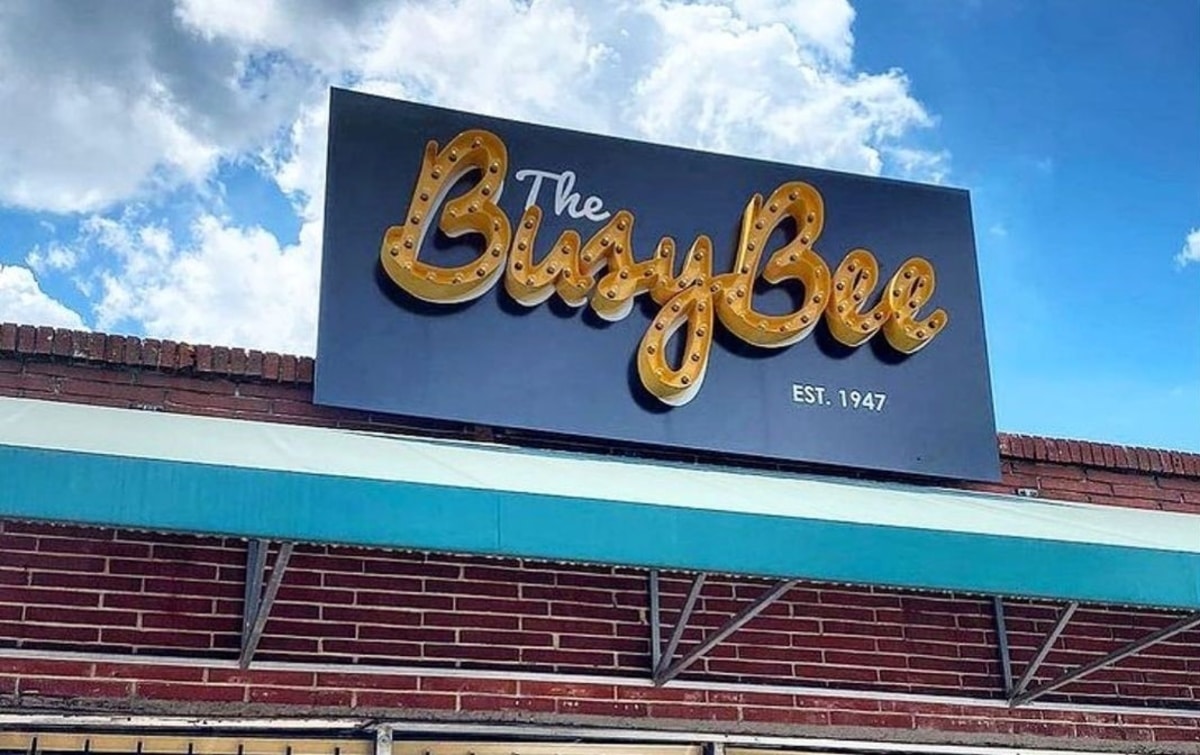
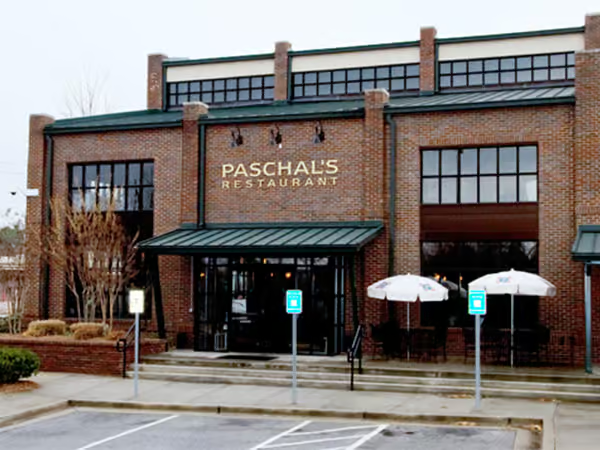
Then there are the postwar and civil-rights-era dining rooms that helped feed Atlanta through some of its most defining years. Mary Mac’s Tea Room has served Southern comfort food in Midtown since 1945. Busy Bee Café, established in 1947, remains one of the city’s landmark soul food restaurants. Paschal’s began in 1947 as a small luncheonette opened by brothers James and Robert Paschal. Manuel’s Tavern, opened in 1956, became one of Atlanta’s great neighborhood gathering rooms. The Silver Skillet, also opened in 1956, still carries the feel of a classic Atlanta diner.
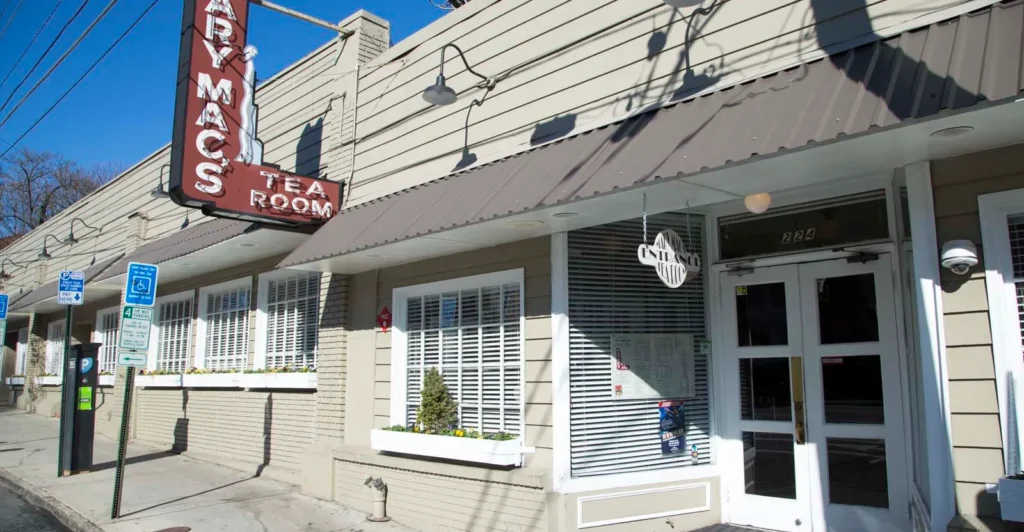
The lights run a little dim in some of these rooms. The tea is still unapologetically sweet. The menus do not chase every trend. At Mary Mac’s, the language is fried chicken, pot likker, yeast rolls, and hospitality. At The Colonnade, it is fried chicken, vegetables, cocktails, and the comfort of repetition. At The Varsity, it is chili dogs, onion rings, frosted orange, and the call-and-response rhythm of “What’ll ya have?” At Busy Bee, it is soul food with deep roots in Atlanta’s Black culinary and civic history. At Paschal’s, it is fried chicken and a legacy tied directly to the city’s civil rights story.
These restaurants are not just old. They are stubborn. They have served through highway construction, white flight, desegregation, Olympic reinvention, downtown decline, neighborhood comeback stories, pandemic disruptions, and wave after wave of new development. They have watched Atlanta rename streets, rebuild skylines, change restaurant trends, and repackage neighborhoods. Still, the booths fill. The regulars return. Someone brings a child. Someone brings a parent. Someone orders what they have ordered for 30 years.
The Know: Dining With the City’s Elders
Check the hours. Many long-running restaurants keep older-school schedules. Some are strongest at lunch. Some close earlier than newer restaurants. Some change hours seasonally or after major renovations.
Order the classic. At places like The Varsity, Mary Mac’s, Busy Bee, The Colonnade, Paschal’s, Majestic Diner, and The Silver Skillet, the regulars usually know what has carried the kitchen for decades. Start there.
Expect mixed crowds. These rooms often seat longtime locals, tourists, families, neighborhood regulars, office workers, politicians, students, and newcomers all at once. The dining room can feel like a reunion even if you do not know anyone.
Look at the walls. Old photographs, framed reviews, campaign memorabilia, vintage signs, worn counters, and familiar booths are part of the experience. In restaurants like Manuel’s Tavern, the walls are practically an archive of Atlanta conversation and politics.
Bring patience. Legacy restaurants are not always polished in the way newer dining rooms are. That is part of the point. You are not just buying a meal. You are stepping into a place that has survived long enough to have habits.
Atlanta on a Plate: Why These Rooms Endure
Atlanta is not famous for preservation. Houses fall. Blocks flip. Neighborhoods rebrand. Restaurants usually follow the same arc: new concept, big opening, crowded first month, quiet closing, new sign out front.
A dining room that has lasted 65, 80, 90, or 100 years is something different.
Atkins Park has outlived generations of Virginia-Highland change. The Colonnade is approaching a century of Southern dining. The Varsity still feels inseparable from Atlanta sports, college life, downtown traffic, and road-trip ritual. Majestic Diner remains a Ponce landmark even as the corridor around it keeps transforming. Mary Mac’s still carries the identity of “Atlanta’s Dining Room.” Busy Bee and Paschal’s hold food history and civil rights history on the same plate. Manuel’s Tavern still feels like a place where Atlanta comes to argue, laugh, remember, and stay awhile.
That is why these places matter. They are not museums, even when they feel historic. They are working rooms. Orders still go in. Coffee still gets poured. Regulars still have opinions. Servers still know who wants extra napkins, who wants hot sauce, who is going to ask for another basket of rolls before the plate even lands.
In a city obsessed with what is next, Atlanta’s oldest restaurants remind us that what lasts is just as important. They hold the city’s cultural memory together the old-fashioned way — plate by plate, booth by booth, story by story.