



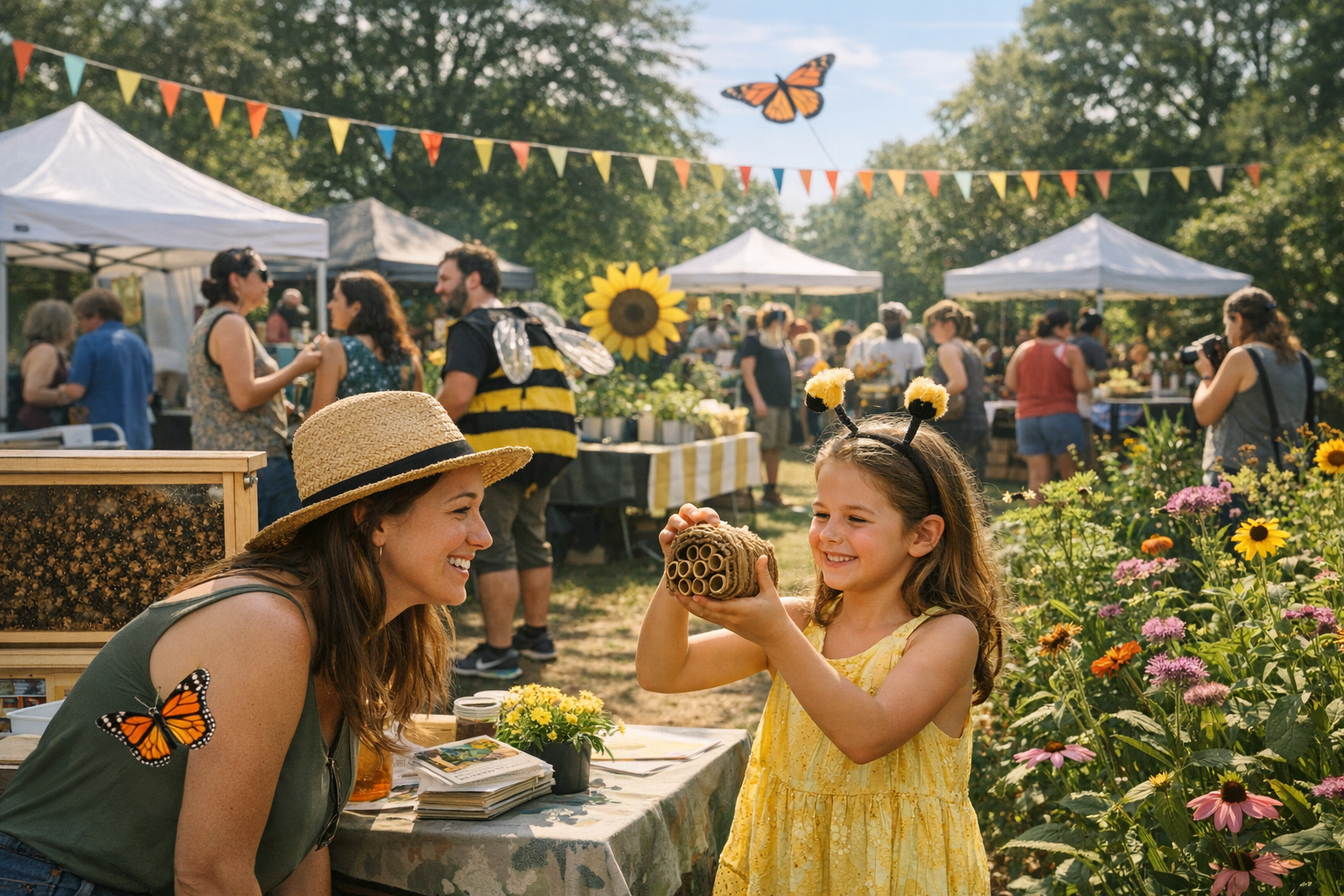
On Thursday, June 27, 10:00 a.m. – 2:00p.m., Oakhurst’s Harmony Park trades its usual Thursday-night mix of kids, dogs, and patio tables for a focused, one-evening reset: the Beecatur Pollinator Festival. The small green will be lined with native-plant vendors and local groups who are working to make Metro Atlanta friendlier to bees, butterflies, and other pollinators—no yard required.
This free, weeknight event is pitched to anyone who has ever swapped tomato tips in a group text, admired wildflowers along the Atlanta BeltLine, or stared at a bare balcony wondering what might actually survive there in August. Instead of generic gardening advice, you’ll get guidance tuned to Atlanta humidity, red clay, and compact outdoor spaces, from people who are already growing in those conditions.
What to know
- What: Beecatur Pollinator Festival
- When: Thursday, June 27
- Time: 10:00 a.m. – 2:00 p.m
- Where: Harmony Park, Oakhurst, in Decatur
- Cost: Free
- Details & updates: See the listing at Atlanta On The Cheap for start time, accessibility notes, and weather changes
The festival unfolds in and around Harmony Park, the triangular pocket park that anchors Oakhurst’s commercial district. It’s ringed by restaurants, cafés, and homes, which makes it easy to turn the evening into a casual night out—but also means parking is almost entirely street-based, with only a few small lots that fill fast.
If you’re coming from elsewhere in Metro Atlanta, think like a neighbor: bike in, use rideshare, or pair the festival with a MARTA ride to a nearby station and a short bike or car hop, instead of circling the blocks at peak hour.
Why this weeknight matters
Across intown neighborhoods, pollinator-habitat signs now dot trails, BeltLine-adjacent plantings, and front yards from East Atlanta to Westview. The premise is simple: healthier populations of bees, butterflies, moths, and other pollinators help keep local ecosystems and urban food systems more resilient—even in dense neighborhoods.
The friction point is scale. Metro Atlanta loves its leafy marketing images, but many residents live in Decatur duplexes, apartments off Memorial Drive, or townhomes near MARTA where “yard” means a narrow strip by the steps, a balcony, or a small patch of shared grass that has to juggle kids, pets, and a grill.
The Beecatur Pollinator Festival is built for that reality. The emphasis is on what you can actually do with the space and time you have—whether that’s a single container on the stairs or a gradual rehab of a scruffy corner of turf.
In a region that touts its tree canopy while wrestling with heat islands and flash flooding, these small choices add up. Pollinator-minded plantings can throw a bit more shade, soak up more stormwater before it hits the gutter, and add seasonal color that doesn’t demand constant irrigation or heavy chemical use. The festival distills those ideas into a one-stop download, with Atlanta’s heat and stubborn clay always in the subtext.
What you’ll actually get out of it
The appeal is detail, not slogans. Instead of scanning anonymous plant lists online, you can scan tables, ask questions, and see what’s working on the ground here right now.
- Plants that survive Atlanta, not just look good online. Expect options that skew native or pollinator-friendly and can handle city realities: heat reflecting off pavement, partial shade from street trees, and the occasional week of neglect. You can see real plant size, ask how they do in pots or rail planters, and skip trial-and-error later.
- Simple habit shifts. Beyond what to plant, you’ll hear straightforward tips on why overusing herbicides and pesticides backfires, how leaving some leaf litter or bare soil creates habitat, and how mowing less often or swapping a strip of turf for groundcovers can reset the look and function of a small yard.
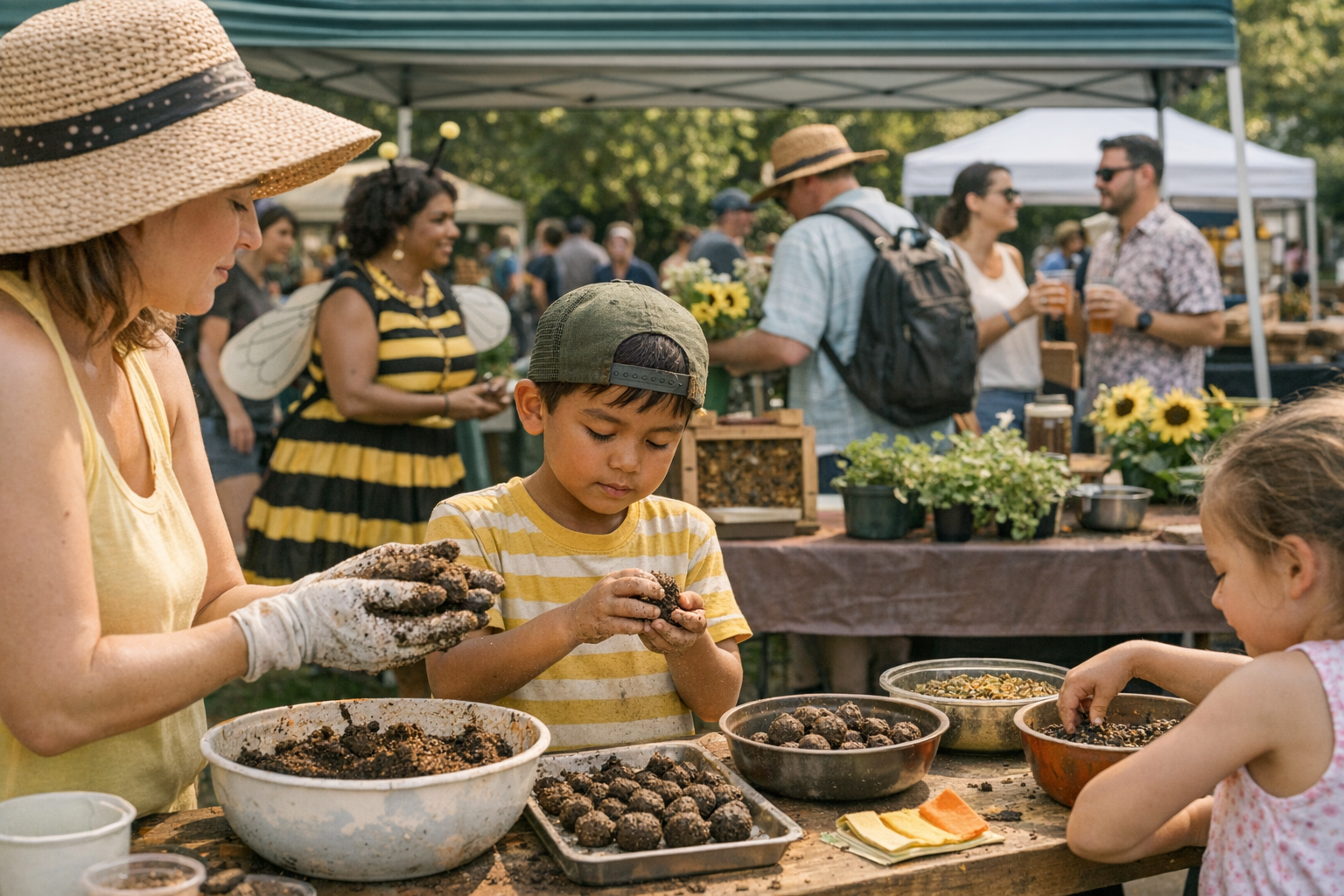
- Projects sized for city living. The ideas scale down readily—clustered pots on an apartment stoop, a balcony box planted with nectar sources instead of short-lived annuals, or converting an awkward side strip into a mini meadow.
- Local connections. Pollinator events tend to draw beekeeping groups, native-plant advocates, and community garden organizers. Meeting them in person makes it easier to follow through later, whether that’s a neighborhood workday, a plant swap, or a quick text when a mystery pest shows up on your tomatoes.
How to go
Because Harmony Park is framed by food and drink options, you can treat the festival as a low-effort anchor for the evening: pick up a few plants or pointers, grab a bite nearby, and still make it home in time to tuck something new into a pot, balcony box, or front bed before dark.
You might only leave with a couple of starter plants and a few new rules of thumb, but that’s often enough to change how you read your own surroundings—the vacant strip that could handle a milkweed, the balcony rail that could host a container instead of staying bare. For one night, Harmony Park shifts from neighborhood hangout to a small, focused hub in a growing mosaic of yards, balconies, and planters that make Metro Atlanta a little easier for pollinators to navigate.
Indakno – Keeping You In The Know