



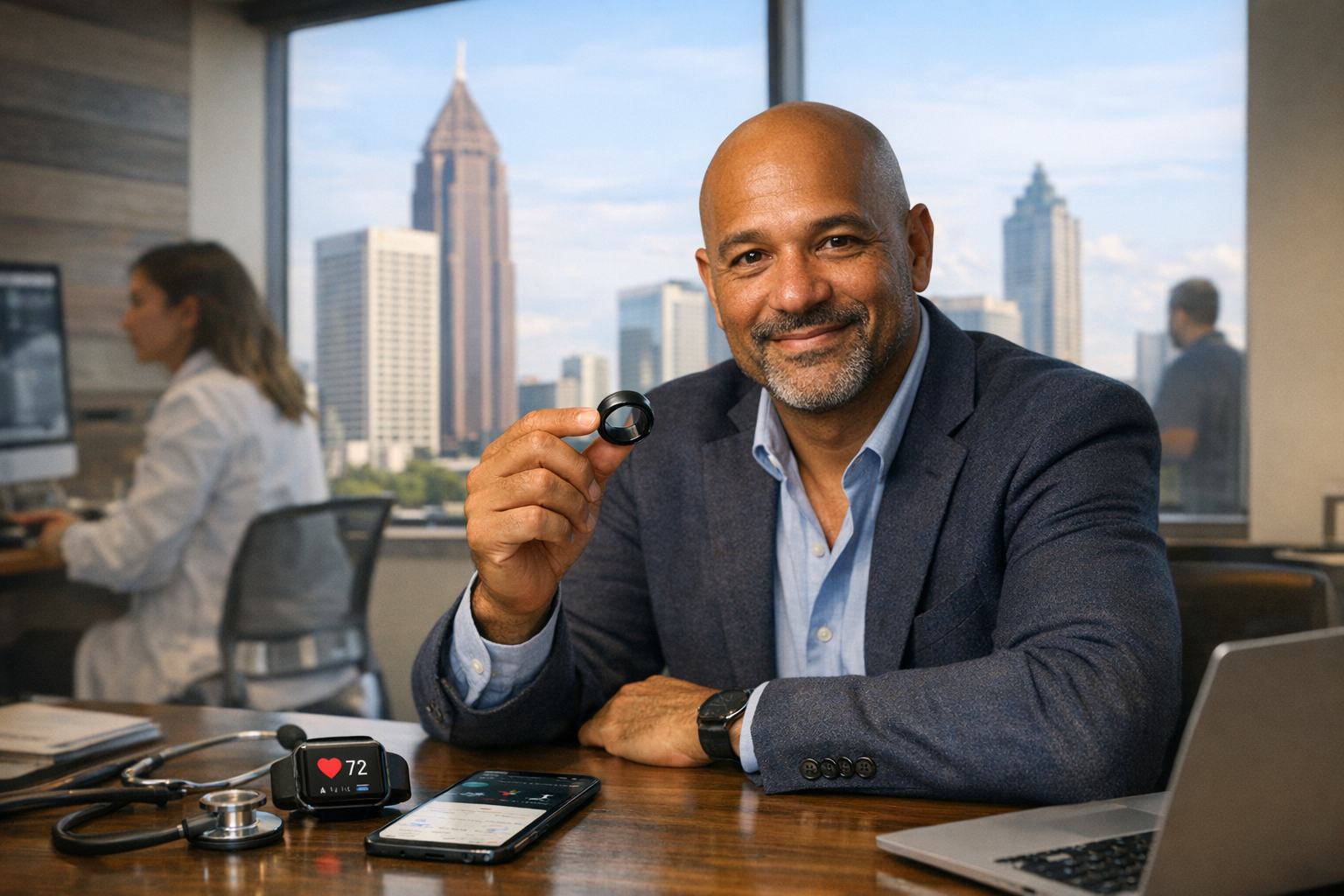
Atlanta’s wearables are getting more serious. GenAI Healthcare, a local health-tech startup, is building a ring that moves past step counts and sleep scores into early warning mode — tracking patterns and flagging potential issues before they show up in lab work or during that rushed annual physical off Peachtree.
In a CEO Q&A with Hypepotamus, the company frames generative AI as an always-on layer in the background of daily life — nudging you before “I feel off” becomes an urgent-care visit.
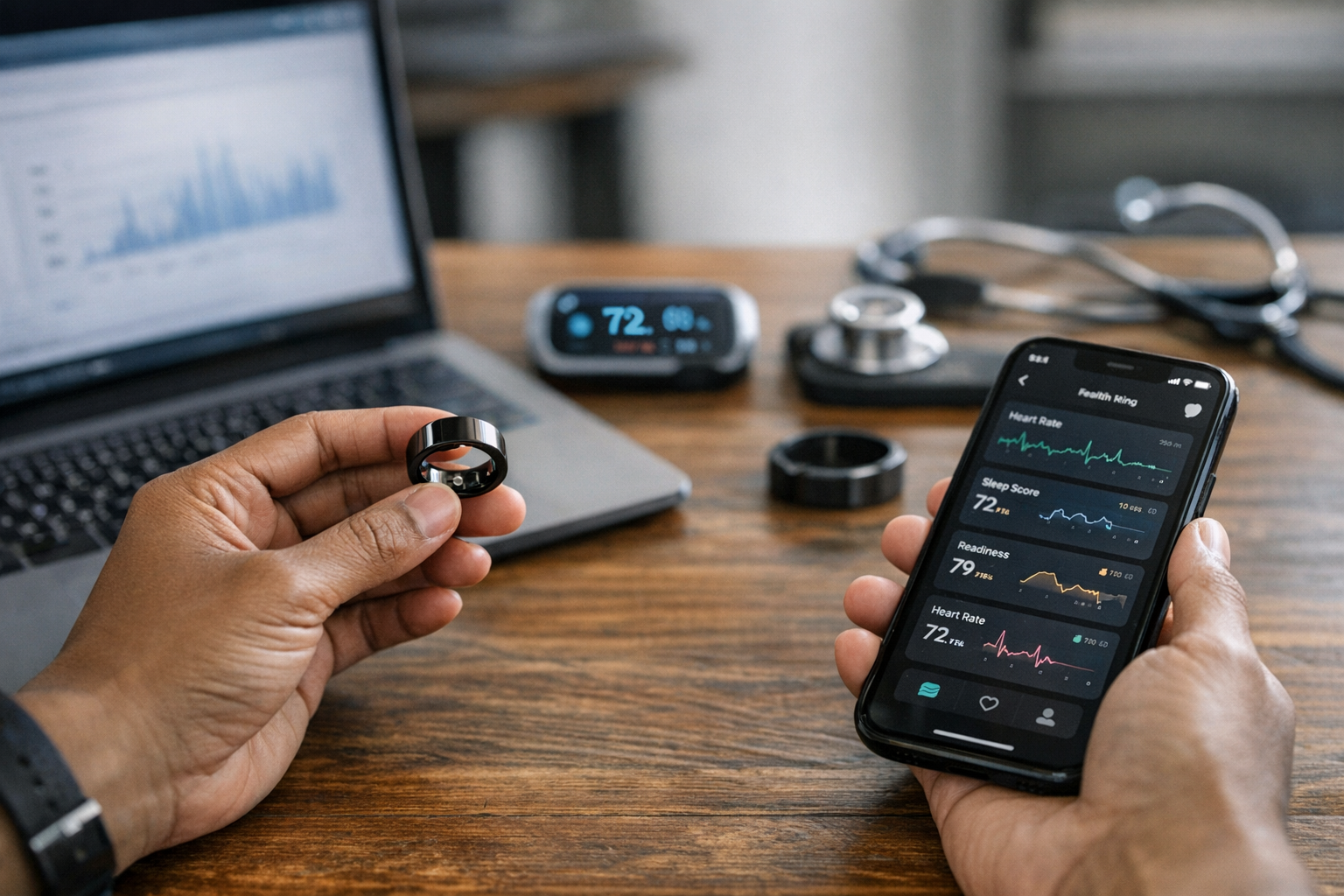
The Know: A ring that interprets your signals
The premise: you wear it, it learns you. Instead of dumping raw charts into another app, GenAI Healthcare’s software is built to turn signals into prompts and early warnings tuned to your own baseline.
- Less guesswork. The ring is designed to track subtle shifts that can precede illness or burnout, not just dramatic spikes you’d notice anyway.
- Personalized feedback. Its AI responds to your long-term trends instead of grading you against a generic national average.
- A continuous record. In a city where job and insurance changes are constant, having health patterns that travel with you between primary-care practices and specialist visits has real value.
The company isn’t pitching a replacement for in-person care. But if you’ve ever tried to recap months of sleep, stress, and symptoms in a 15-minute Midtown visit, a wearable that’s been paying attention in the background starts to feel more like a second brain than a toy.
Atlanta’s angle: health data as the product
GenAI Healthcare’s founding story sits in a familiar Atlanta lane: operators who’ve seen both the power and limits of health data up close. In the Hypepotamus interview, the CEO focuses less on hardware specs and more on what continuous data can mean for everyday decisions, especially for people juggling demanding work schedules and family responsibilities.

Most wearables live at two extremes: gym-friendly trackers or regulated medical devices. GenAI Healthcare is aiming for the middle — consumer hardware paired with software that can spot risk patterns without turning your life into a permanent waiting room.
- Signal over spectacle. The focus is on what can be inferred from small changes in heart rate, sleep, or activity trends, not glossy lifestyle branding.
- GenAI as interpreter. The AI is framed as a translator from raw data to everyday language you can act on between visits, not a stand-in for clinicians.
- Chronic care in mind. Continuous AI-read data is especially relevant for people managing long-term conditions between specialist appointments or regular check-ins at larger systems.
Atlanta itself is part of the thesis. The city sits at the intersection of public health, academic medicine, Fortune 500 employers, and a restless startup scene. The CDC in Druid Hills, systems anchored by Emory Healthcare and Grady, and pipelines like ATDC at Georgia Tech and Atlanta Tech Village make the region both a diverse patient population and a live test market.
What changes for Atlanta readers
For Atlantans who already track steps, heart rate, or sleep, this kind of device could shift wearables from “nice-to-know” numbers into something closer to a daily health brief.
- More specific nudges. Instead of a generic “you slept less,” the pitch is context-aware prompts — surfacing patterns that tend to show up before you get sidelined with a cold during busy work stretches or travel.
- Better prep for appointments. Walking into a Midtown or Buckhead appointment with a clean trend summary instead of screenshots from three different apps could make short visits more useful.
- Support for high-stress careers. For people in shift work, hospitality, healthcare, or startup roles, continuous pattern-spotting between appointments may help catch burnout or recovery issues earlier.
- Potential employer tie-ins. If local companies add tools like this to wellness benefits, they could shape which neighborhoods and workplaces see early access to more advanced health tracking.
The ring will likely show up on early adopters along the BeltLine and in tech-heavy office corridors first. Whether it becomes part of Atlanta’s health infrastructure or stays a niche gadget will come down to a few choices.
- Will your doctor actually see the data? The value jumps if insights can be shared in a way a primary care provider at Emory Midtown or a neighborhood clinic can use — without adding another unread dashboard.
- Does the math work? For Atlantans weighing another device, the question is whether the ring replaces something — extra visits, labs, or time off work — or just adds another subscription.
- Who trusts it? Any Atlanta company dealing with health data has to contend with real skepticism, especially in Black and Brown communities south of I‑20. How GenAI Healthcare talks about privacy, bias, and data use with actual Atlantans — not just investors — will matter.
Indakno – Keeping You In The Know