BeltLine officially seeks builder for tricky section, crucial connectors
Request for proposals aims to knit a complicated gap into the loop — and finally give nearby neighborhoods safer links to transit, shops and parks
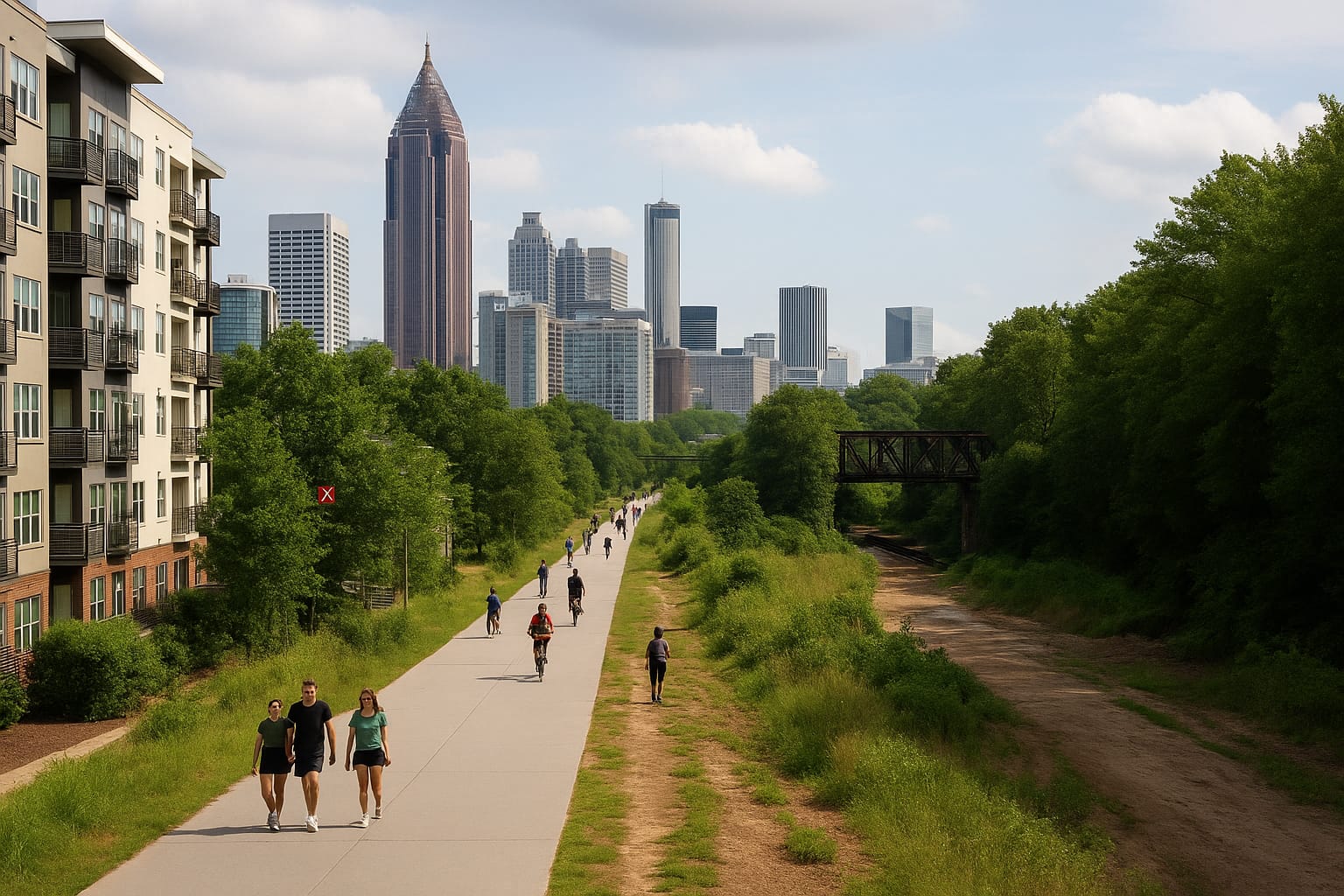
Atlanta’s BeltLine has moved from plan to procurement on one of the more complicated pieces left on the 22‑mile loop: the agency has issued a call for contractors to design and build a constrained, technically complex segment along with several neighborhood connector paths. For residents who have watched rails, empty lots and fenced-off corridors for years, the solicitation is a clear signal that walking, biking and short transit trips could become practical where they have not been.
What changed — and where it matters
Earlier this month the BeltLine posted a formal request for proposals seeking firms to construct a stretch of trail the agency describes as challenging because of limited right‑of‑way, nearby utilities and the need for bridges and ramps that meet ADA and safety standards. The package also includes connectors meant to link the main trail to surrounding streets, commercial nodes and transit facilities.
On the ground, that translates to construction activity in Westside and southwest neighborhoods that have long lacked continuous, safe walking and cycling routes. Those connectors are what turn a distant amenity into a route you’d use for a quick trip to the corner store, the bus stop, or a MARTA station without hopping in a car.
Why the section is “tricky”
The remaining gaps are more than missing pavement. They’re a tangle of rail easements, stormwater infrastructure, steep grades and tight property lines. The RFP calls for retaining walls, pedestrian bridges, signalized crossings, drainage upgrades and substantial utility coordination — elements that favor contractors with urban retrofit experience over crews who do simple trail paving.
Those engineering demands also dictate the construction rhythm. Neighbors should expect lane closures, phased detours for cyclists and pedestrians, and sequences that put bridge or culvert work ahead of final surfacing. For storefronts and community anchors along the corridor, careful scheduling and clear communication will be essential to keep access open.
Who benefits — and who should be watching
When complete, the segment and its connectors will matter to several groups. Bike and scooter commuters will get more continuous, safer routes into job centers. Small businesses along the corridor may gain reliable foot traffic. Seniors and families will have more direct, accessible paths to parks, schools and transit — a core part of the BeltLine’s mobility goals.
At the same time, neighbors will rightly scrutinize timelines, noise, parking impacts and delivery access. Community groups that have shaped BeltLine design — from trail width to lighting and public art — should track contractor selection and work-zone plans closely as details emerge.
Money, timelines and the procurement process
The public notice asks qualified firms to balance cost, constructability and long‑term durability. Exact budget figures and bid deadlines are included in the RFP document and should be checked for current timelines. Award and mobilization will hinge on scope negotiations, environmental clearances and utility relocation agreements.
Atlanta’s previous BeltLine contracts have followed familiar phases: design‑build selection, permitting, staged construction and sustained community coordination. Expect the initial contractor pick to be followed by neighborhood briefings and phased closures intended to limit disruption during peak business hours and school drop‑offs.
Local texture: what residents will notice first
The first signs of work are typically survey stakes, tree‑protection fencing and temporary signage along the corridor. Those quieter markers give way to utility crews and then heavier equipment for grading and bridge footings. Early on is the best time for neighbors to raise questions with the BeltLine’s outreach team about truck routes, parking protections and schedules for noisy work.
For neighborhood leaders and small‑business owners, now is the moment to push for mitigation measures in construction plans — from maintained storefront access to protection for street trees. Those details will shape whether a multi‑year project is a manageable disruption or a deeper headache for a block.
Next steps and what to verify
The RFP marks a procedural pivot: the agency intends to select a builder, but several details remain to be confirmed. Before relying on a timeline, check the RFP’s release date, bid deadline, projected contract value and any stated start and completion windows. Also confirm which exact block(s) and neighborhood connectors are included, and seek BeltLine, Inc.’s plans for community engagement and construction mitigation.
Bottom line for Atlanta readers: a stubborn gap in the loop that has left parts of the west and south side disconnected is moving toward construction. It won’t happen overnight, but it’s a tangible infrastructure step that will change how people move through nearby neighborhoods.