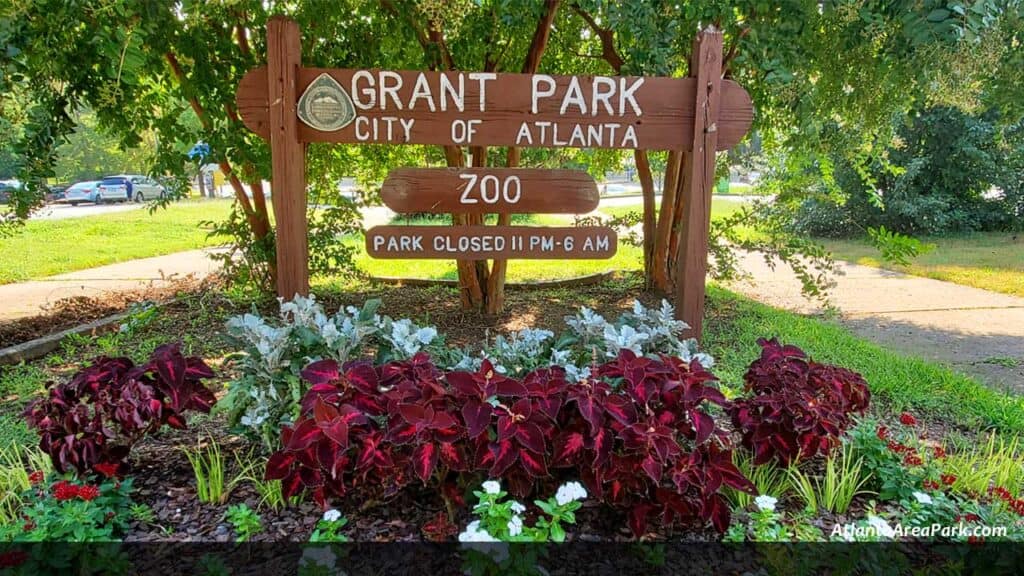
Grant Park is quietly emerging as a testing ground for Atlanta’s plant-based future: small vegan ventures, weekly pop-ups and menu experiments are folding into one of the city’s oldest neighborhoods, bringing plant-forward options into everyday routines. That matters because these incremental moves show how vegan food is spreading beyond downtown and the west side into neighborhood life.
On the streets around the park, longtime corner cafés and neighborhood bars are adding meat-free mains, entrepreneurs stage pop-up nights in converted storefronts, and community gatherings increasingly include vegan vendors. Grant Park’s mix of established households and newer, food-minded residents makes it a useful place to watch whether plant-forward habits stick.
From pop-ups to everyday plates
The shift isn’t a single flagship restaurant; it’s a mode of service. Cooks are testing plant-based sandwiches and bowls at farmers markets, some chefs are carving out weekday vegan lunches, and restaurateurs are programming monthly meatless nights. That approach lets concepts refine recipes in front of actual neighbors without the overhead of a large storefront.
For diners, the payoff is more options where they already live. Neighborhood stalwarts that once offered token salads now add deliberately conceived vegan entrees, some bakeries feature egg- and dairy-free pastries alongside classics, and seasonal menus are starting to read as conversations about vegetables, grains and flavor-forward substitutions. Small choices add up to more everyday vegan accessibility.
Community life is part of the recipe
Grant Park’s block parties, markets and after-work meetups give plant-based cooks low-risk places to reach residents and normalize vegan food in neighborhood rituals. Weekend markets and local festivals let vendors test pop-up models and build direct relationships with people who live a short walk away.
There’s a social dynamic at work: neighbors who care about sustainability, health and food justice are supporting plant-based producers through repeat attendance, word-of-mouth on neighborhood listservs and informal collaborations among bakers, farmers and chefs. Those networks act as practical distribution channels before any vendor scales up.
How this matters for Atlanta
Grant Park’s gradual shift suggests plant-based options can gain traction in residential neighborhoods where longtime residents and newer diners intersect. If this neighborhood continues to absorb and sustain plant-forward offerings, it points to demand outside the city’s obvious restaurant corridors—information useful to restaurateurs, suppliers and local food planners.
What to watch next
Look for three signs that the change is lasting: whether popup vendors convert to permanent storefronts, how often established spots program plant-forward special nights, and whether markets or civic groups form regular partnerships with vegan entrepreneurs.
To sample the scene, check weekend market listings, neighborhood event calendars and small-venue popup announcements on local feeds—those are often where new vegan concepts first surface. For vendors: start small, participate in community events and let regulars shape the menu.
Grant Park isn’t remaking Atlanta’s food identity overnight, but it is helping shape a more distributed, neighborhood-driven plant-based ecosystem—one small dinner, market stall and menu change at a time. Keep an eye here; it may be where Atlanta’s next wave of everyday vegan dining takes shape.
Indakno — Keeping you in the know.