




Amid a spring of upgrades to the Atlanta Falcons’ front seven, there’s one name atlanta fans should keep circled for next spring: Harold Perkins Jr.
This isn’t a mock draft. It’s a watchlist. Perkins, LSU’s do‑everything linebacker/edge, plays with the kind of speed and closing burst that flips third downs at Mercedes‑Benz Stadium. For Falcons fans tracking how a retooled pass rush comes together, Saturdays in Baton Rouge suddenly matter. In a city that measures fall weekends from the BeltLine to downtown and back, this is about connecting what you see on college fields to the pressure packages Atlanta wants to unleash on Sundays.
Here’s the nut graf: If the Atlanta Falcons continue building a rush by committee, a 2025 swing at Perkins—one of college football’s most dynamic pressure creators—would add a movable piece the defense can win with from multiple spots. He’s a projection to a role, not a promise of sacks; but in a division defined by quick releases and timing throws, one defender who closes space in a flash can change the script late in games. Atlanta Falcons Amid a broader push to diversify the rush, Perkins profiles as a clean fit for what the Falcons want to be up front.
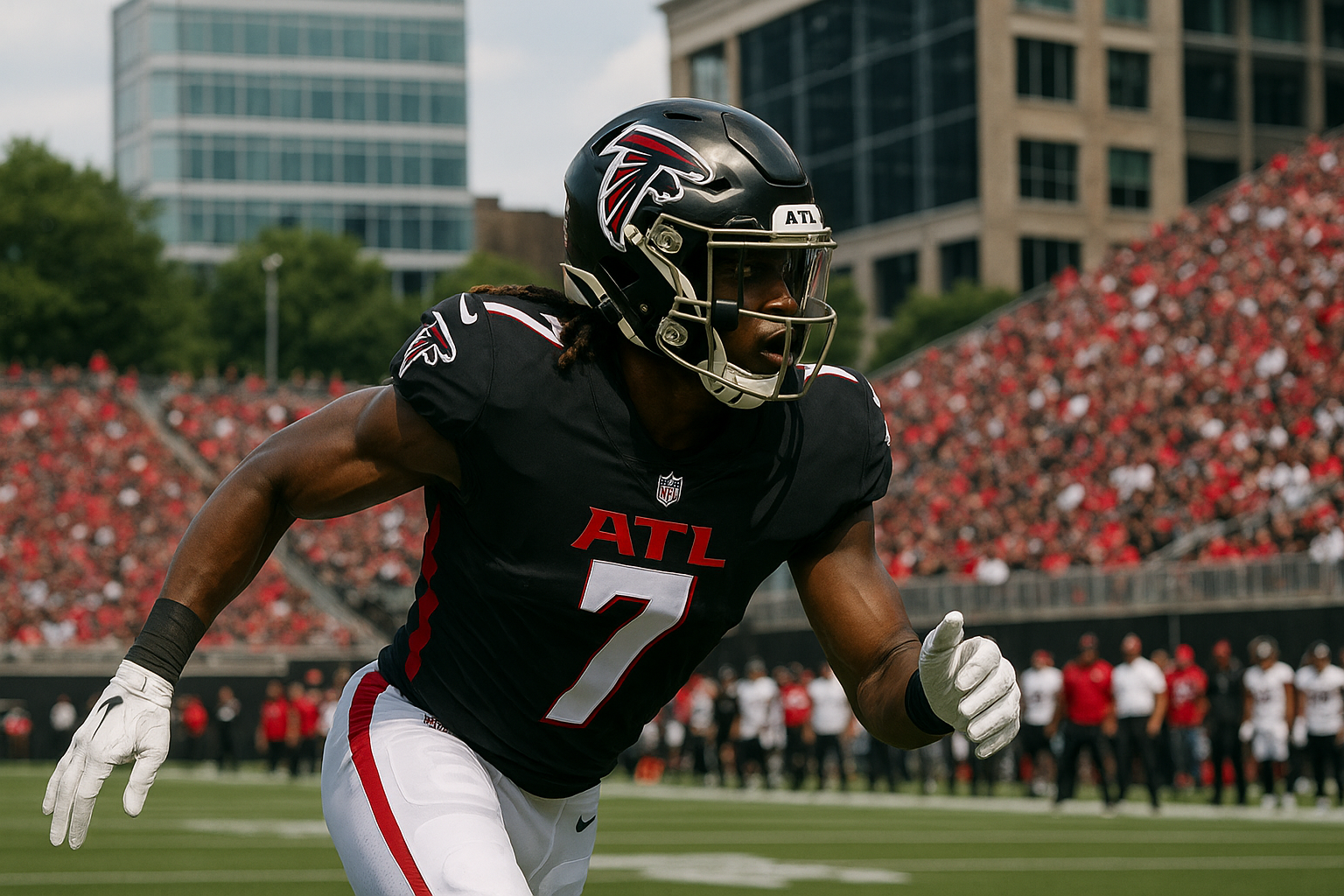
The Matchup: Harold Perkins Jr. x Atlanta Falcons
Player: Harold Perkins Jr., linebacker/edge, LSU. Calling card: burst. Perkins flashes rare first‑step quickness, lateral spring, and closing speed that translate on the edge or off the ball. LSU has asked him to wear a lot of hats—rush from wide alignments, align over guards, spy mobile quarterbacks, and carry backs or tight ends in space—which is exactly the kind of usage the modern NFL rewards.
Fit in Atlanta: The Falcons have been intent on raising their pressure ceiling. A healthier interior anchored by veteran presence can squeeze pockets; the question is finishing. Perkins offers a different lever: create immediate havoc without tipping where it’s coming from. On passing downs, he’s the type you can walk around the formation, green‑dog from the second level, or send off the edge opposite a power rusher. On early downs, he’s athletic enough to live in space and chase from the backside. That multiplicity dovetails with how Atlanta can toggle fronts and coverages inside Mercedes‑Benz Stadium, where crowd noise helps the rush get a half‑beat head start.
Why it connects locally: This is an Atlanta team that has learned the hard way what happens when sacks dry up in the fourth quarter. In a division full of quick‑game offenses and rhythm passers, a defender who can close a runway in two strides helps you get off the field. It’s a style fit with the identity Atlanta is trying to cement on defense at Mercedes‑Benz Stadium—a little faster, a little less predictable, and a lot more uncomfortable for quarterbacks. And for fans in Grant Park or Old Fourth Ward toggling between college and pro each weekend, Perkins is a clean through line: the kind of athlete who shows up on your screen even when the ball isn’t in his hands.
How Atlanta would use him on Day 1
Think packages, not labels. Perkins won’t need to be a 60‑snap edge to matter. He can:
- Be the movable chess piece on third down—mug the A‑gap, bail, then trigger on delayed pressure.
- Spy athletic quarterbacks on long yardage, closing when plays break structure.
- Blitz from stack alignments to stress protections designed for traditional edges.
- Loop on stunts and twists to attack soft shoulders once the interior squeezes the pocket.
- Carry backs and tight ends in space to disguise pressure, then convert to rush when the protection slides away.
None of that requires penciling him in as a hand‑in‑the‑dirt end from snap one. It does require a defense willing to disguise intent and chase speed mismatches. That’s the point in Atlanta right now—finding answers that travel week to week without leaning on one player to win every rep off the edge.
Why it matters in Atlanta right now
Falcons fans don’t need a reminder of how narrow late‑game possessions can feel at Mercedes‑Benz Stadium. Win one rush rep on third‑and‑7 and you flip field position; miss it, and a quarterback with timing on his side extends a drive. Perkins’ value shows up in those razor‑thin sequences: bursts that shrink throwing windows, chases that erase scrambles, pressures that force hurried checkdowns. Even in a rotation, that kind of athlete can raise everyone’s floor.
There’s also a broader atlanta sports angle here. College‑pro crossovers have long shaped the fall calendar, and Perkins is exactly the type of Saturday storyline that bleeds into Sunday talk among Falcons fans. The question isn’t whether he racks up gaudy sack totals every week; it’s whether his traits carry to a league that increasingly prizes position‑less defenders who threaten protections without declaring where pressure is coming from.
Fan checklist: what to watch on Saturdays
- Usage tells the story: Note where LSU aligns Perkins—wide nine, over a guard, stacked at linebacker, or walked out over a slot. The more hats he wears, the cleaner the fit in a multiple NFL front.
- Money downs: Track his third‑down snaps. Pressures, hurries, and forced checkdowns are as telling as sacks when evaluating a pass‑rush projection.
- Spy reps vs. mobile QBs: When LSU asks him to mirror the quarterback, watch the closing burst and tackle angles. That’s a Sunday job in a division with movement throws.
- Back‑side pursuit: On early downs, look for chase plays from the far hash and how quickly he converts from read to run. That range is what reduces explosives.
- Box‑score breadcrumbs: Tackles for loss, quarterback hits, and forced fumbles are useful markers. Don’t overweigh raw sack totals without context on role and usage.
What’s next: As the Falcons continue shaping a rush by committee, the question is which complementary piece best amplifies what’s already in the room. If that answer winds up being speed that travels and pressure that disguises, don’t be surprised when Harold Perkins Jr. stays on Atlanta’s chalkboard deep into next spring.