




A look at the behind-the-scenes design and infrastructure that let Atlanta’s WNBA team operate: game-day logistics, community pipelines, scheduling, and the fan systems that connect team and city.
The Atlanta Dream is more than a roster and a court. The team exists inside a network: scheduling that layers another professional season onto Atlanta’s calendar, community relationships that feed local interest, and venue and transit patterns that shape how fans arrive, linger and leave. This piece treats the Dream as a moving part of the city — an engineered presence made up of logistics, programs and cultural infrastructure that make women’s pro basketball visible and usable across neighborhoods and age groups.
Fast facts
- Game-day logistics knit into Atlanta’s sports calendar Dream games add another professional sports rhythm to the region, coordinating dates, broadcast windows and arena availability so that the team slots into Atlanta’s crowded event schedule without isolating neighborhood traffic or transit patterns.
- Fan culture operates like community infrastructure The Dream’s fan base blends civic pride, local clubs and volunteer networks; organized supporters, community nights and outreach create predictable crowd behaviors that venues and city services use when planning security, concessions and neighborhood relations.
- Youth and local basketball systems feed the team’s presence From playground leagues to high-school programs, the Dream ties into Atlanta’s broader basketball ecosystem; youth clinics and visibility of professional players act as nodes in a development network that sustains interest and talent pipelines across the city.
- Venue and transit design shape accessibility Where the Dream plays matters: arena entry points, concourse flows and nearby transit or parking determine whether games are walkable community events or regional outings, affecting attendance patterns and how the team connects to different Atlanta neighborhoods.
- Partnerships extend the team’s civic footprint Local partnerships with schools, civic groups and businesses turn single games into distributed experiences across the city: promotions, watch parties and outreach programs act like mini-infrastructures that increase touchpoints between the team and Atlanta residents.
The Atlanta angle
The Atlanta angle The Dream functions less like a standalone franchise and more like a layer in the city’s civic operating system. Scheduling adds a regular season of women’s professional basketball to Atlanta’s event ecology, requiring coordination with arenas, transit authorities and broadcasters so home dates fit alongside other sports and cultural events. Game-day planning—ticketing windows, entry lanes, concourses and post-game egress—translates fan interest into predictable flows that venues and city services can manage. Those practical designs determine whether a visit feels like an easy neighborhood night out or a complex regional trip.
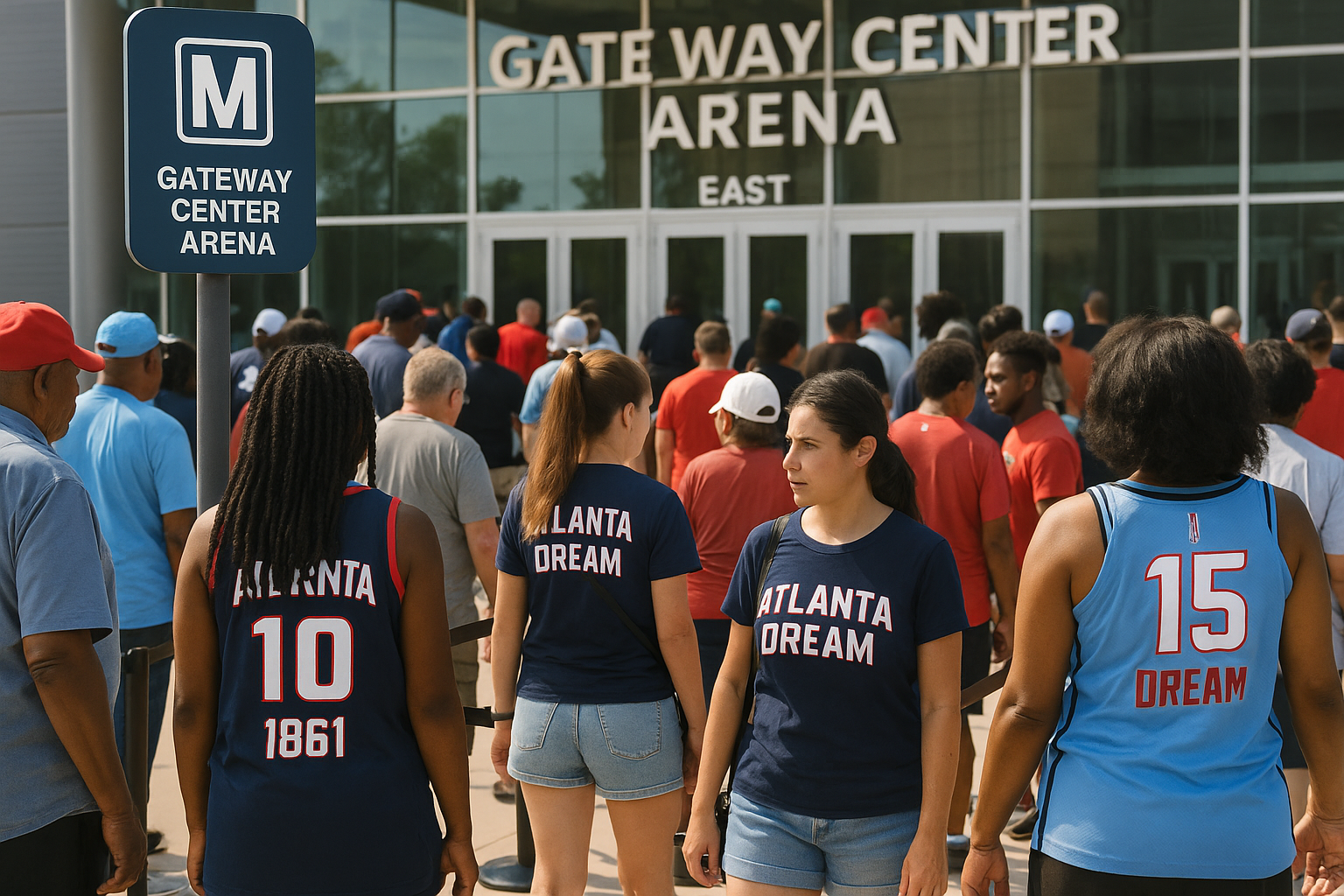
The Dream’s physical presence is amplified by soft infrastructure: youth programs, community nights, and neighborhood partnerships. These programs act as feeder links between playground courts and professional benches, strengthening local affinity and creating regular touchpoints beyond scheduled games. Meanwhile, the interaction between venue access, transit options, and fan culture shapes who shows up and how long they stay, which in turn informs concessions, security, and community relations. Viewed this way, the team’s impact depends as much on systems and design as on on-court performance.
Keeping You In The Know