



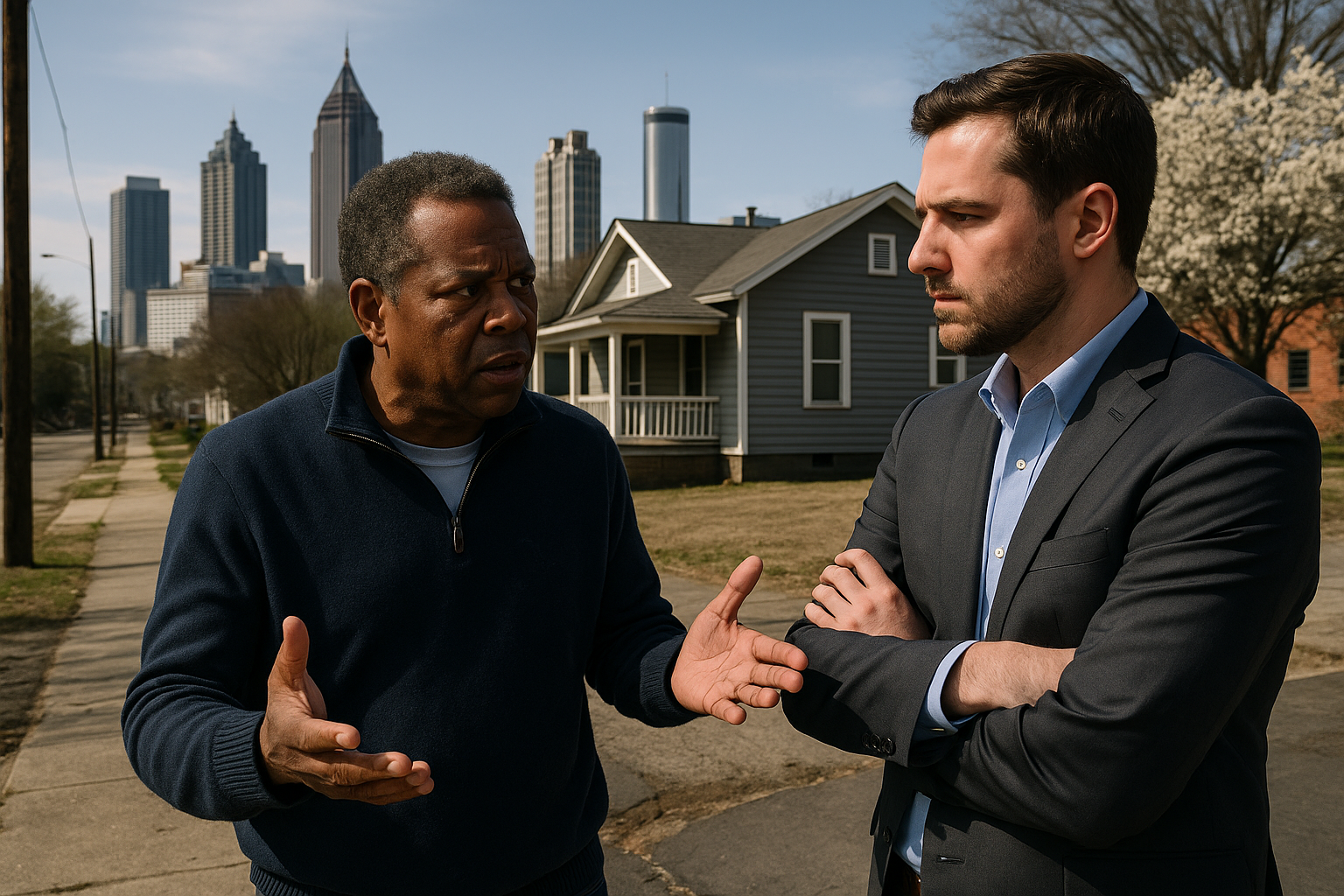
A legal challenge to extensions of Atlanta’s Tax Allocation Districts has put about $5.5 billion in neighborhood renewal work on the line. For residents who have been counting on new housing, streetscapes and small-business space, plans that felt shovel-ready now look precarious.
Familiar scenes, sudden stakes
The tableau is a local one: renderings tacked up at community meetings, developers answering questions in the council chambers, planners promising tax-increment dollars will seed sidewalks, affordable units and storefronts. What city leaders treated as a financing backbone — years of future property-tax growth pledged to pay bonds and projects inside defined TAD boundaries — is now the subject of litigation. A lawsuit seeks to unwind recent extensions, and if a judge grants relief it could cut off or delay the incremental revenues municipal officials and private partners planned to use, imperiling roughly $5.5 billion in public and private work.
How TADs work — and why extensions matter
Tax Allocation Districts capture future increases in property-tax revenue above an established baseline and redirect that increment to pay for bonds and local improvements. Extensions lengthen the period during which those increments are rerouted, allowing larger bond issues and longer financing horizons for multi-decade projects. They also prolong the diversion of funds that otherwise would flow to schools, parks and other taxing authorities — the trade-off that commonly sparks legal and political fights.
How the dispute unfolded
City council action and agency votes moved to extend the life of one or more existing TADs tied to a neighborhood renewal plan described by officials as a roughly $5.5 billion program. Those legislative steps were followed by a lawsuit alleging procedural or legal flaws in how the extensions were adopted and asking the court to stop them from taking effect. Supporters said the extensions were necessary to close financing gaps; opponents raised concerns about long-term revenue diversion and the adequacy of community notice. The litigation overlays projects municipal leaders have billed as transformative for targeted blocks and corridors.
The legal fight — what challengers want
Plaintiffs argue the extensions were adopted improperly or exceed statutory authority and seek judicial orders that could include injunctions pausing the extensions. The dispute will turn on statutory interpretation, whether required notices and procedures were followed, and whether decisionmakers stayed within their authority. City and redevelopment-agency officials contend the extensions are lawful and necessary to honor planning commitments and bond covenants. Even when such challenges are ultimately rejected, temporary freezes on TAD revenue can delay work and raise costs.
What’s at stake for neighborhoods and finance
City officials and project partners describe the $5.5 billion program as a multi-decade investment in infrastructure, housing (including affordable units), commercial development and community facilities. If a court blocks the challenged extensions, the immediate effect would be interruption of the incremental tax flows expected to cover debt service or subsidize project costs. That could stall projects in the pipeline, push up borrowing costs, or force officials and developers to seek alternative funding. For residents, the consequence can be postponed sidewalks, delayed affordable units or trimmed streetscape plans; for lenders and builders, greater uncertainty in closings and pricing of capital.
On the ground
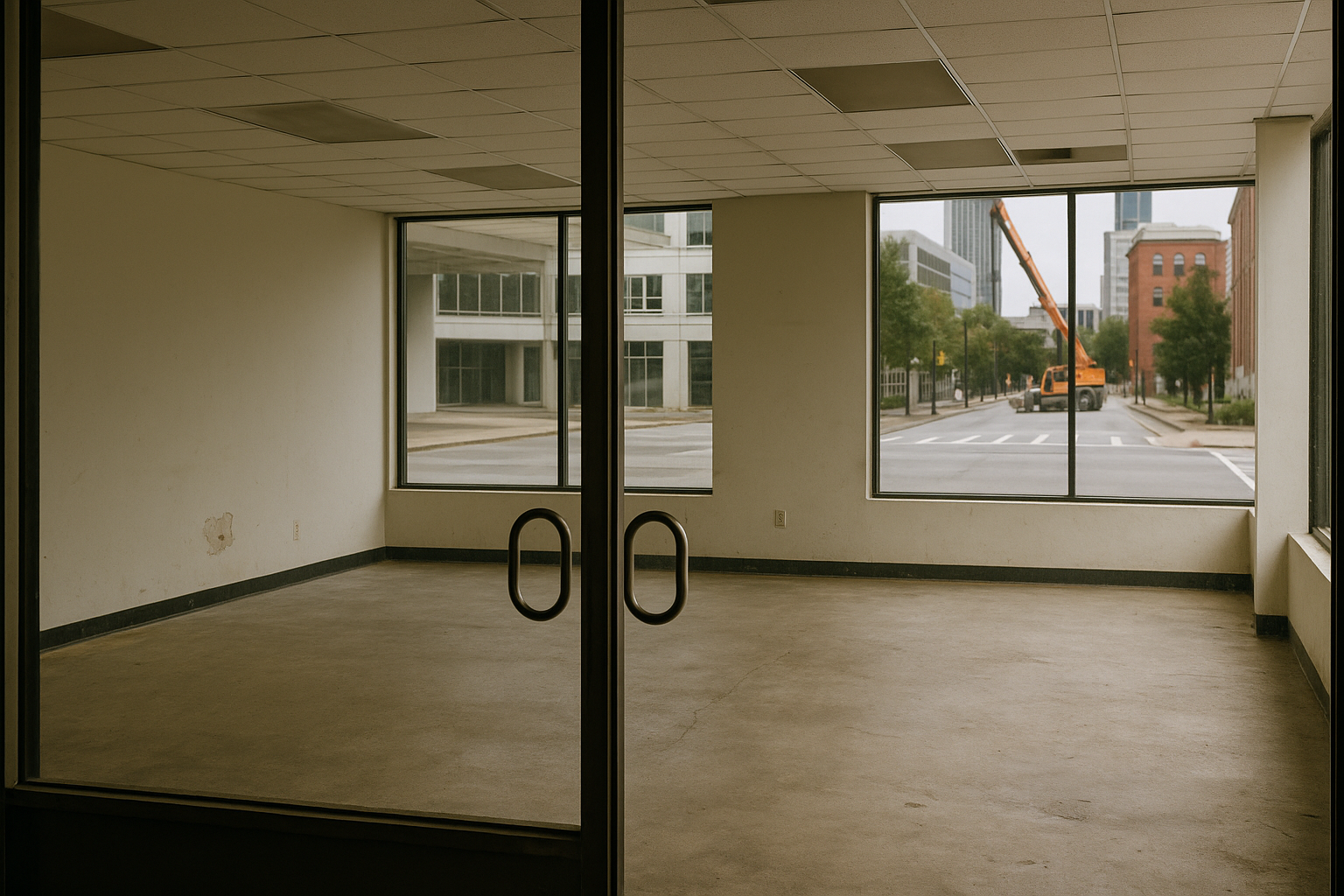
Across affected blocks, the prospect of new sidewalks, a community center or a small-business storefront now feels provisional. Longtime residents who tracked planning schedules may see those timelines slide; small-business owners counting on construction contracts or increased foot traffic face postponements. Neighborhood associations that backed the renewal warn that years of planning could be undercut if financing falters; opponents say extended TAD timelines divert too much future tax growth from ordinary services. Reporting from community meetings captures frustration on both sides: supporters fear projects will “die on the vine,” while skeptics worry about the long-term cost of diverted revenues.
What to watch next
In the coming weeks, the court could issue a temporary restraining order or injunction that pauses the disputed extensions while litigation proceeds. Even without immediate court action, developers may slow work, lenders may re-underwrite deals, and municipal staff may prepare contingency budgets. Key markers to track: the lawsuit’s hearing schedule, any motions to dismiss, possible intervention by bondholders or trustees, and local legislative responses. At the neighborhood level, council briefings and community meetings will be the best moments for residents to press city officials for timelines and mitigation plans for projects affecting their blocks.
- Will my property taxes go up if a TAD extension is blocked? Not directly. A TAD redirects future increases in tax revenue away from general taxing bodies; blocking an extension typically restores that future revenue to regular taxing jurisdictions rather than immediately raising individual property tax rates.
- Could projects stop immediately? Work already paid for or under contract may continue, but new disbursements tied to TAD revenue could be delayed or paused while the litigation proceeds.
- Who pays if costs rise because of delay? Depending on contracts and bond covenants, overruns can fall to developers, taxpayers, or require renegotiation between parties.
- What can residents do? Attend council briefings and community meetings, follow court-docket updates, and ask city officials for contingency plans and block-level timelines for projects that matter to you.
The legal challenge reframes a familiar tension in Atlanta’s recent development story: how to harness growth for neighborhood investment without locking away tax revenue or cutting short public input. For residents who have waited years for sidewalks, affordable units and services, the litigation is not merely technical — it is a pause that could reshape what gets built, when, and for whom.
Indakno — Keeping you in the know.