The Atlanta BeltLine, the city’s sweeping loop of trails, parks, and future transit, says it has now achieved nearly 80 percent of its affordable housing goal and is accelerating its development pipeline to stay on track for a 2030 target, according to a recent project update. For neighborhoods that ring the BeltLine—from Reynoldstown and Kirkwood on the Eastside to Old Fourth Ward, West End, and the Westside corridor—the announcement signals real progress, along with high expectations for what comes next.
🔗 Atlanta BeltLine official site:
https://beltline.org/
🔗 BeltLine Affordable Housing overview:
https://beltline.org/about/the-atlanta-beltline-project/affordable-housing/


Growth With Texture: What This Looks Like on the Ground
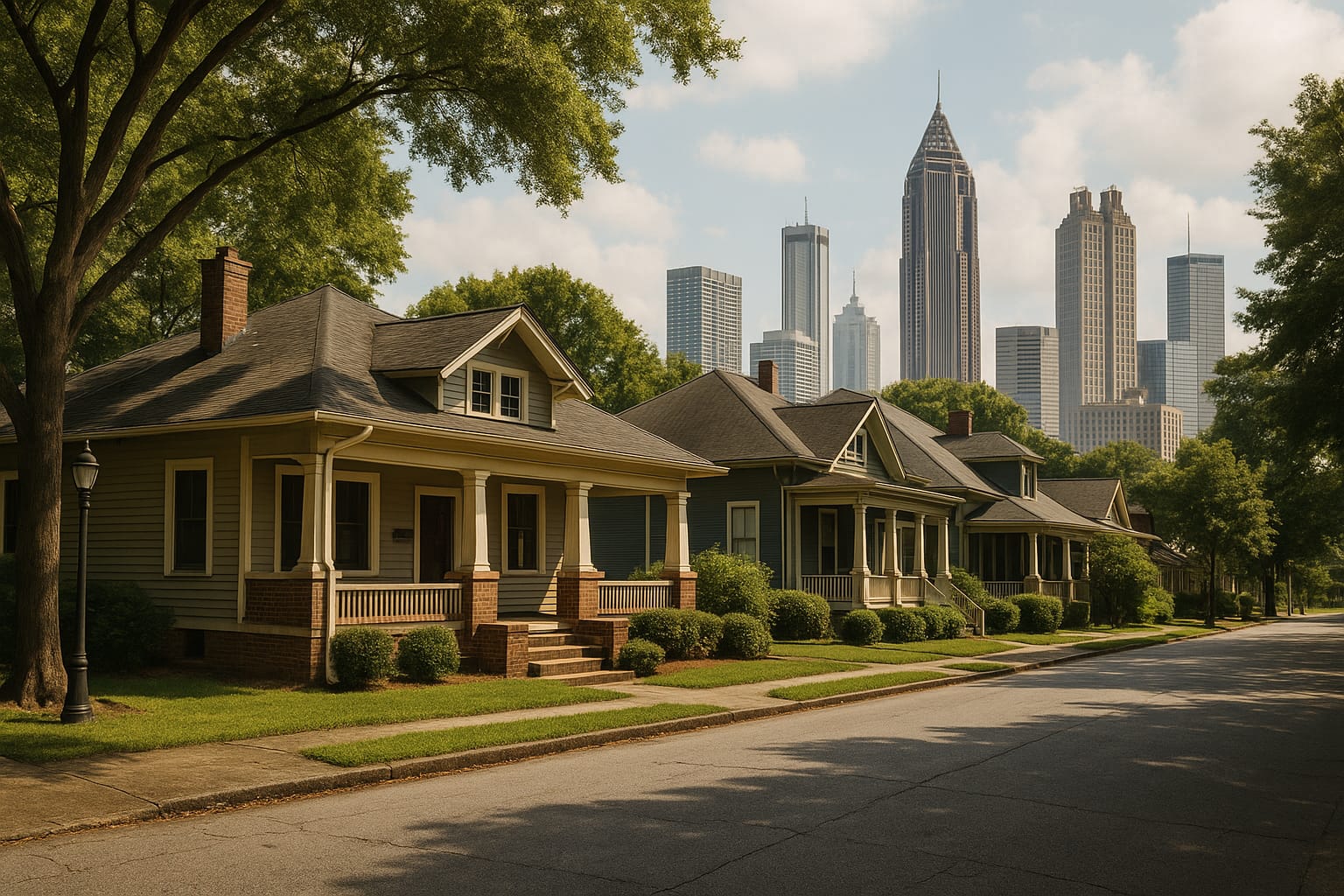
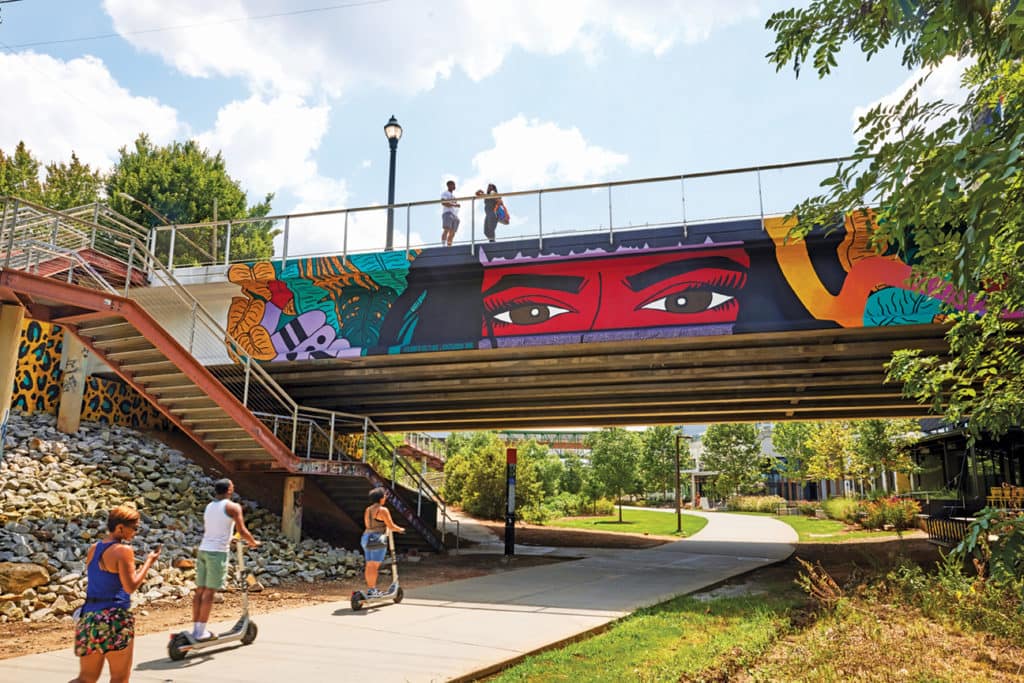
A walk along the BeltLine makes the pace of change visible. New residential buildings rise beside repurposed warehouses; art installations and pop‑up markets share space with long‑standing small businesses. Affordable housing woven into that growth can help ensure that longtime residents remain part of the neighborhoods reshaped by new amenities.
BeltLine officials say recent progress reflects an accelerated project pipeline—more developments moving from planning into construction. That acceleration relies on a mix of public funding, leveraged private investment, and partnerships with nonprofit and mission‑driven housing developers. Project‑level details, including timelines and locations, are available through BeltLine and partner agency releases and should be checked for the most current figures.
🔗 BeltLine project updates and news:
https://beltline.org/news/


Why “Nearly 80 Percent” Matters
From the beginning, the BeltLine’s affordable housing goal has been framed as a guardrail against displacement—a commitment that the benefits of trails, parks, and transit should extend to residents across income levels. Reaching nearly 80 percent of that goal marks substantial progress, but it also sharpens focus on the final stretch.
Housing affordability remains one of metro Atlanta’s most pressing challenges. Rising rents and home prices have reshaped many neighborhoods along the BeltLine, where demand is especially intense. Finishing the job—by delivering and preserving affordable homes near new infrastructure—will be critical to whether the BeltLine is ultimately remembered as an inclusive project or one that accelerated displacement despite good intentions.
What’s Being Accelerated—and What to Watch Closely
While the BeltLine has emphasized speed, community advocates often stress that the mix and placement of housing matters as much as the raw count. Questions residents and readers may want to track include:
- How many units are new construction versus preservation of existing affordable homes?
- Where are projects located along the loop—Eastside, Westside, Southside—and how evenly are they distributed?
- What income levels are being served, including deeply affordable units for very low‑income households?
- What additional community benefits—such as local hiring, cultural space, or small‑business support—are tied to these developments?
Many of these answers are available through public dashboards and partner agencies, including Invest Atlanta.
🔗 Invest Atlanta (housing finance partner):
https://www.investatlanta.com/
Neighborhoods Feeling the Shift
Each BeltLine segment carries its own history and pressures. On the Eastside, growth has layered new residential density onto already‑popular corridors. In Old Fourth Ward and Inman Park, nightlife and retail energy coexist with ongoing efforts to protect affordability. On the Westside, long‑awaited parks and trails have sparked both optimism and concern as investment accelerates.
In these places, affordable housing isn’t just a policy metric—it’s a question of whether teachers, artists, seniors, service workers, and small‑business owners can remain rooted in the communities they helped shape. Neighborhood associations and community‑based organizations continue to play a key role in pushing for transparency and balance as projects move forward.
Funding, Partnerships, and Preservation
BeltLine leaders point to public funding tools and cross‑sector partnerships as essential to the accelerated pipeline. Those tools help close financing gaps and bring projects to market. At the same time, many housing advocates note that preserving existing affordable homes is often faster and more cost‑effective than building new ones—and should remain a central part of any strategy to reach 2030 goals.
Long‑term affordability, enforcement mechanisms, and ongoing monitoring will be key indicators to watch as projects come online.
What Comes Next—and How the Public Can Engage
With the 2030 deadline approaching, the coming years will be decisive. Continued progress will depend on steady financing, timely construction, and sustained community engagement. Public meetings, neighborhood briefings, and transparent reporting will shape how much trust the process earns.
Residents who want to stay involved can:
- Follow BeltLine housing updates and dashboards
- Attend neighborhood and City Council meetings tied to BeltLine projects
- Connect with local housing advocacy groups working along the loop
🔗 City of Atlanta housing resources:
https://www.atlantaga.gov/government/departments/city-planning/housing
Momentum With Responsibility
Reaching nearly 80 percent of the BeltLine’s affordable housing goal is a milestone worth noting. It reflects years of coordination and investment—and shows that large‑scale urban projects can deliver tangible housing outcomes. But the final push to 100 percent will test the city’s commitment to preservation, equity, and accountability.
As trails fill with walkers and cyclists and new buildings reshape the skyline, the question remains whether people of all incomes can continue to call BeltLine neighborhoods home. The answer will depend on how this next chapter is executed—and how closely the public stays engaged.
— Indakno: neighborhood‑first reporting on Atlanta growth, housing, and community momentum