



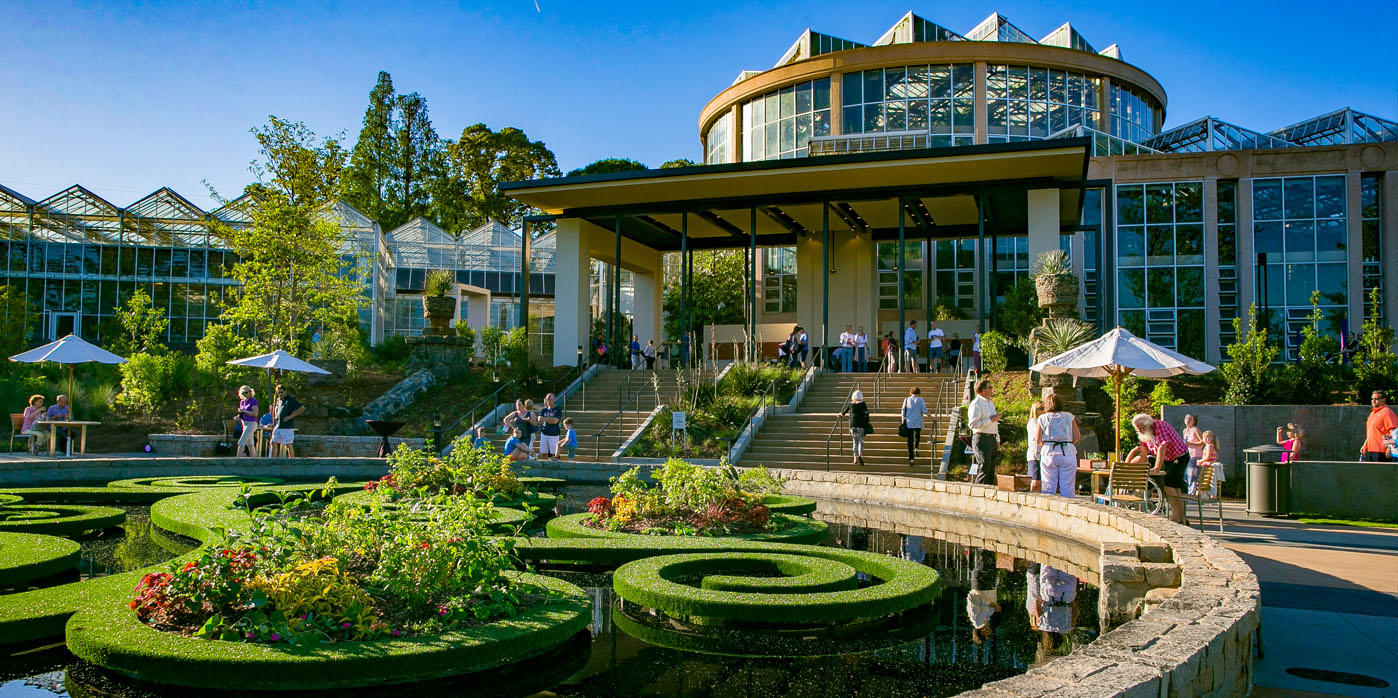
In Midtown, the garden’s indoor conservatories, outdoor landscapes and rotating exhibition schedule make repeat visits feel different from season to season.
Atlanta Botanical Garden in Midtown works less like a single attraction and more like a living schedule. The campus brings together conservatory rooms, outdoor plantings, art installations and a calendar of changing exhibitions, so the experience can look and feel different depending on when you go. The mix is especially clear in the way the garden pairs climate-controlled indoor spaces with seasonal programming that reorders what visitors see from one month to the next.
Fast facts
-
- The Midtown campus pairs indoor conservatories with outdoor gardens, so one visit can move from humid tropical rooms to open-air plantings. The Fuqua Conservatory, Tropical Rotunda, Orangerie and Desert House sit alongside outdoor collection areas, letting visitors experience very different plant environments without leaving the property. That indoor-outdoor layout is a big part of the garden’s appeal in Atlanta’s heat and humidity, where shelter, shade and changing microclimates all matter to the visit.
-
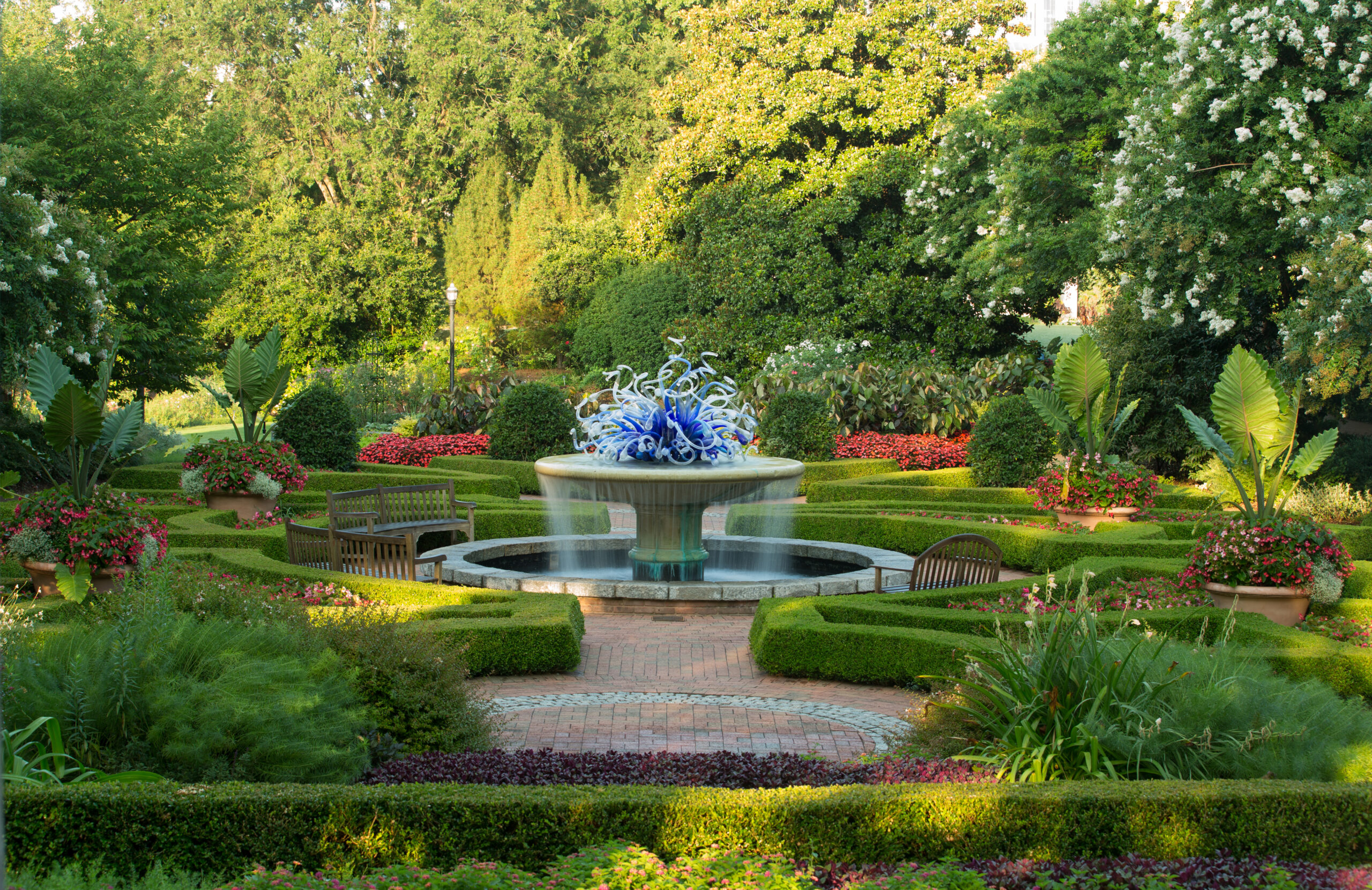
- The garden treats art as part of the horticulture experience, not an add-on, through a public art and sculpture program. Its site highlights art collections, sculptures, water features and the Chihuly Collection, signaling that glasswork and designed objects are part of the visitor route alongside living collections. That mix helps explain why the campus reads like both a botanical garden and an outdoor exhibition space in Midtown.
-
- The 2026–2027 event calendar is built around seasonal exhibitions, including Niki in the Garden through Sept. 6, Cocktails in the Garden through Sept. 24, and later fall and winter programming that reaches into February 2027. The posted schedule includes recurring and temporary programming such as Summer Party on June 27, Fest-of-Ale in October, Scarecrows in the Garden in October, Garden Lights, Holiday Nights from November to January, Orchid Daze in February 2027 and Atlanta Blooms! in March 2027. That kind of rotation keeps the site visually different across the year instead of presenting the same mix of displays in every season.
-
- The Midtown location beside Piedmont Park makes the garden an easy walkable stop in one of Atlanta’s busiest greenspace districts. Atlanta Botanical Garden places itself along Piedmont Avenue in Midtown next to Piedmont Park, which means visitors can combine a garden visit with a walk through the park and nearby Midtown destinations. That setting also connects the campus to the city’s pedestrian network and nearby transit options, making it a practical stop for people already spending time in the neighborhood.
-
- On the 2026 plan-your-visit page, the garden lists public hours as Tuesday through Sunday, 9 a.m. to 9 p.m., with tickets and information handled online before arrival. That schedule gives visitors a clear planning window and helps the garden manage attendance for special exhibitions, weather changes and peak weekend traffic. For a Midtown site that draws repeat visits, posted hours and advance ticketing make the visit feel more structured than a casual walk-in stop.
The story behind it
Inside the property, the conservatory spaces do more than shelter rare plants from the weather. They create a sequence of climates and textures that let visitors move from tropical foliage and orchids to more arid or transitional environments without leaving the campus. The Fuqua Conservatory, Tropical Rotunda, Orangerie and Desert House give the garden a layered indoor core, while the outdoor collection areas extend the visit into open-air plantings and shaded paths. That layout matters in Atlanta, where summer heat and humidity can make a controlled indoor environment feel like part of the exhibit rather than just a convenience.
The art program deepens that effect. Sculpture, glass and water features are not pushed to the side; they are built into the official visitor route, alongside collections that include the Chihuly Collection. As a result, the campus reads like both a botanical garden and a curated outdoor gallery. Visitors encounter designed objects and living plants in the same walk, which makes the site feel more like an expanded exhibition space than a simple landscape park.
Keeping You In The Know