

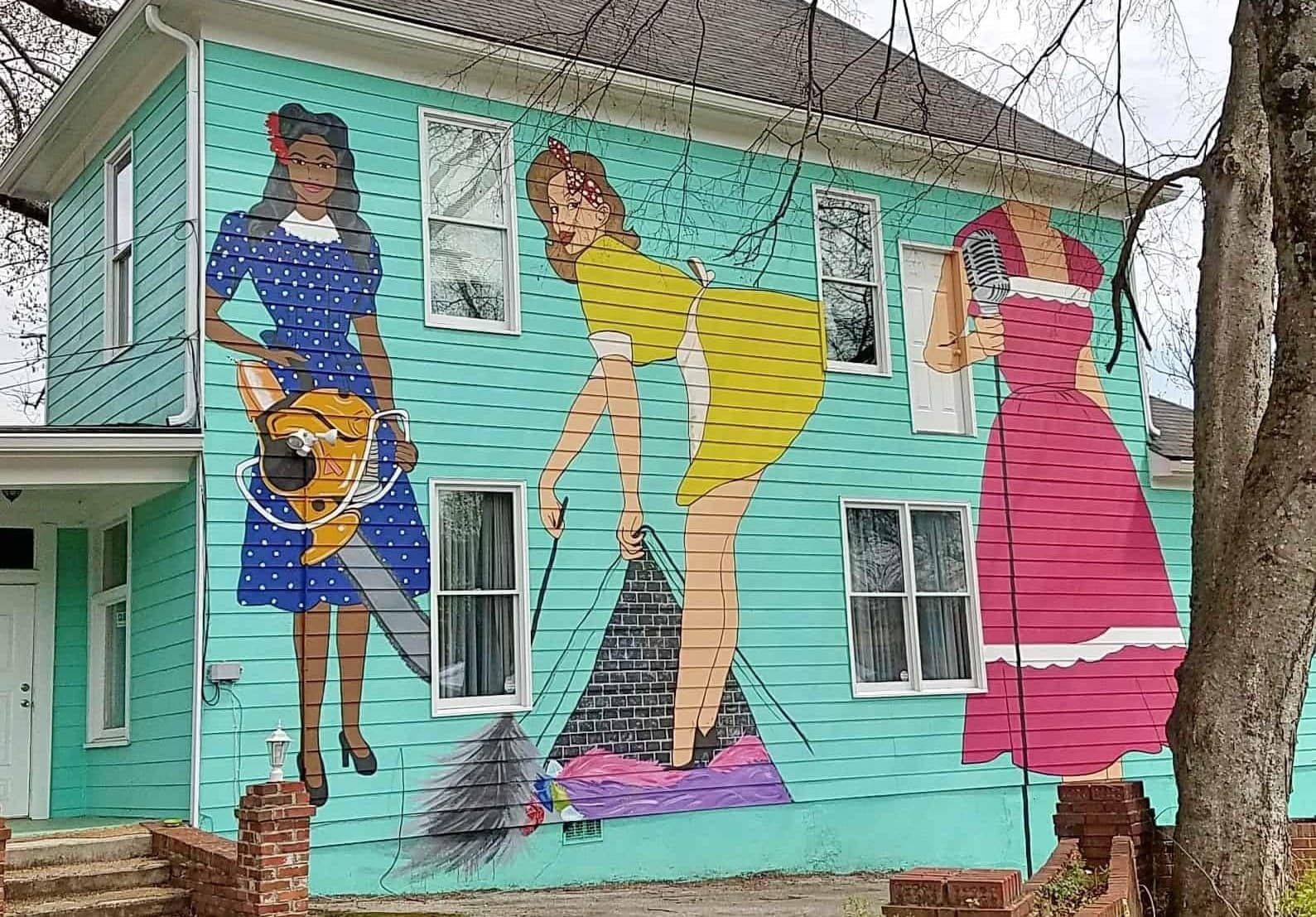
Just after midnight at Flat Shoals and Glenwood, East Atlanta Village feels less like a commercial node and more like a cul‑de‑sac for the city’s night people. Sound seeps out of every doorway: live drums from a back room, a DJ doubling the kick on a Jersey edit, the low murmur of smokers leaning against brick. Ride-shares roll in, not tour buses; the faces on the sidewalk look familiar even if you don’t know anyone’s name. It’s nightlife on a local scale—walkable, low-slung, and still shaped more by regulars than by promoters.
While other intown districts chase skyline views, themed rooftops, and high-gloss cocktails, East Atlanta Village runs on smaller rooms and repeat crowds. The neighborhood has spent years straddling change—rising rents, new development, shifting demographics—but after dark it still operates on a home-field logic. Nights are built around resident DJs, recurring parties, and bar staff who’ve been there long enough to clock when someone’s back in town. For Atlanta readers trying to make sense of where the city’s nightlife still feels genuinely local, the Village offers a working blueprint.

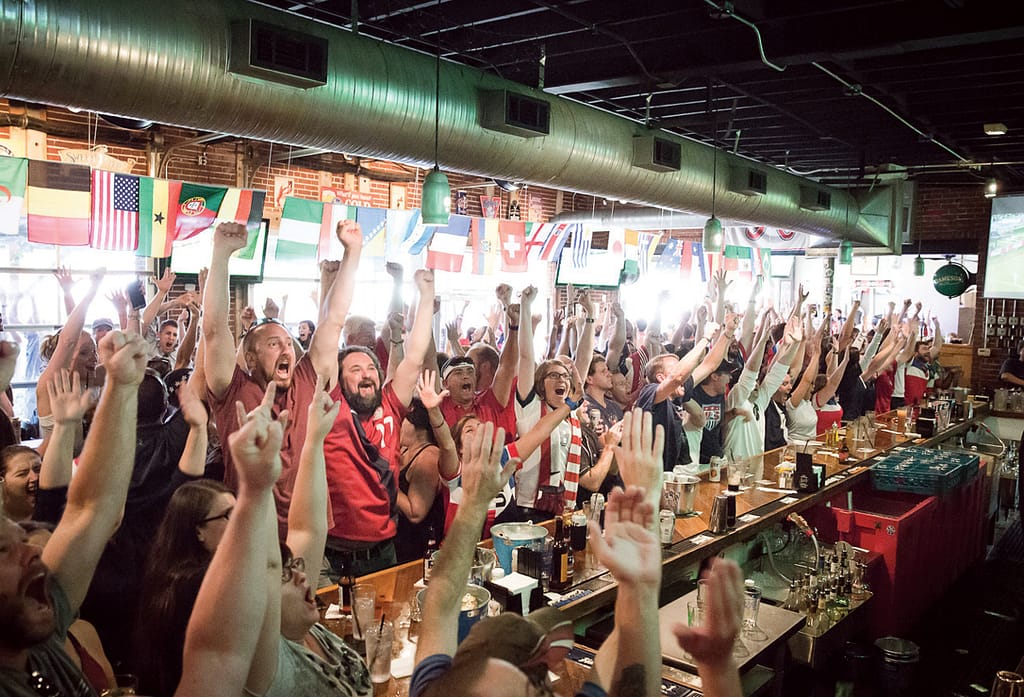
What to know before you go
- Neighborhood vibe: Compact, street-level, and walkable, with most nightlife hugging the Glenwood–Flat Shoals intersection in East Atlanta.
- Scene mix: Longtime regulars, service-industry workers after shift, neighborhood residents, and music heads who treat small venues like their living rooms.
- Getting there: Most people arrive by ride-share or designated driver; parking fills quickly on weekends. Plan to walk between spots once you’re in the Village.
- Expectations: No bottle service or LED walls; think intimate rooms, late sets, and lineups you recognize from flyers and local Instagram accounts.
- Context check: For a broader look at how Atlanta’s cultural scenes evolve, institutions like the Atlanta History Center, the High Museum, and coverage from ArtsATL are useful companions to what you see on the sidewalk.
The Village after dark: a loop, not a list
East Atlanta Village is one of the few parts of the city where a night out still feels like a loop instead of a destination. You don’t set out for one big complex and call it; you orbit. People cycle between music venues, patios, and corner bars depending on who’s spinning and who’s working the bar that night. It’s common to see the same group at one room’s pool table early, then catching a DJ set two doors down later on.
Small capacity shapes how the night works. Instead of an anonymous crowd, regulars recognize bartenders, door staff, and the DJ who always closes with a specific song. That repetition builds trust: you’re more likely to take a chance on a genre you don’t usually follow when you know the people behind the booth or you’ve watched the same crowd show up to their nights for months.

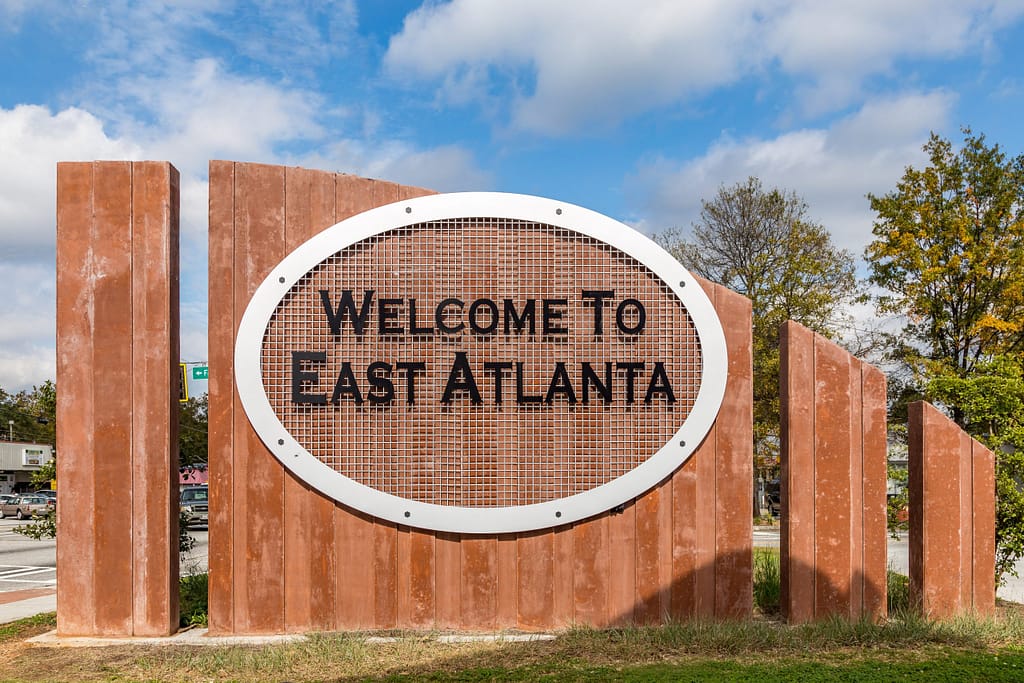
The geography helps. The main intersection is tight enough that you can hear a live band sound-checking while a DJ runs an early set next door. There’s no need to schedule the night around long Uber rides; you can step outside, read the energy on the corner, and pivot. A packed doorway at one bar often signals more room somewhere else, and people adjust in real time.
Resident nights keep it local—and what that means for Atlanta
What keeps East Atlanta Village grounded isn’t just the venues—it’s the recurring nights that behave like micro-communities. Instead of chasing touring acts every weekend, many rooms lean on regular DJs and themes that reward repeat attendance. You might find a monthly party anchored by a local collective, a vinyl-only night run by the same two selectors for years, or a queer-focused set that quietly draws familiar faces month after month.
Those nights become reference points. Someone mentions “first Fridays” or the party that always flips from house to Southern rap after midnight, and much of the Village knows what they’re talking about. The continuity gives DJs room to experiment—sliding from Atlanta classics into global club—without worrying they’ll lose the floor. The audience isn’t there for one viral song; they’re there because they trust the person behind the decks.
This pattern echoes broader threads in Atlanta culture. Look at how the High Museum formats its recurring evening programs, or how Art on the Atlanta BeltLine builds seasonal anticipation; East Atlanta’s nightlife works on a similar rhythm. Familiar scaffolding, evolving details, and a core audience that treats repeat attendance as participation, not consumption.
How to move through the Village like a local
Because the scene is compact, how you move through it matters. Most people pick a loose home base—a familiar bar staff, a DJ they follow, or a room where friends tend to land—and let the rest of the night build from there. It’s common to start earlier at a spot where conversation is possible, then migrate closer to the speakers as the night tips into the small hours.
- Plan your night around a theme, not a checklist: Pick a recurring party, DJ, or bar you already trust as a home base, then let the rest of the Village fill in around it.
- Give yourself time to wander: Most of the action clusters near the Glenwood–Flat Shoals crossroads. Walk the intersection, listen at the doors, and decide where to start instead of over-scheduling.
- Participate in the ecosystem: Tip bartenders and door staff, follow your favorite DJs and venues, and pay attention to posted changes in hours or house rules—these small, locally rooted rooms run on thin margins and repeat relationships.
- Read the room and the sidewalk: Give dancers space near the front, keep the sidewalk navigable, and understand that regulars and first-timers share the same few square feet. That shared etiquette is part of what keeps the neighborhood feeling like a local scene, not a nightlife district built for visitors.


