



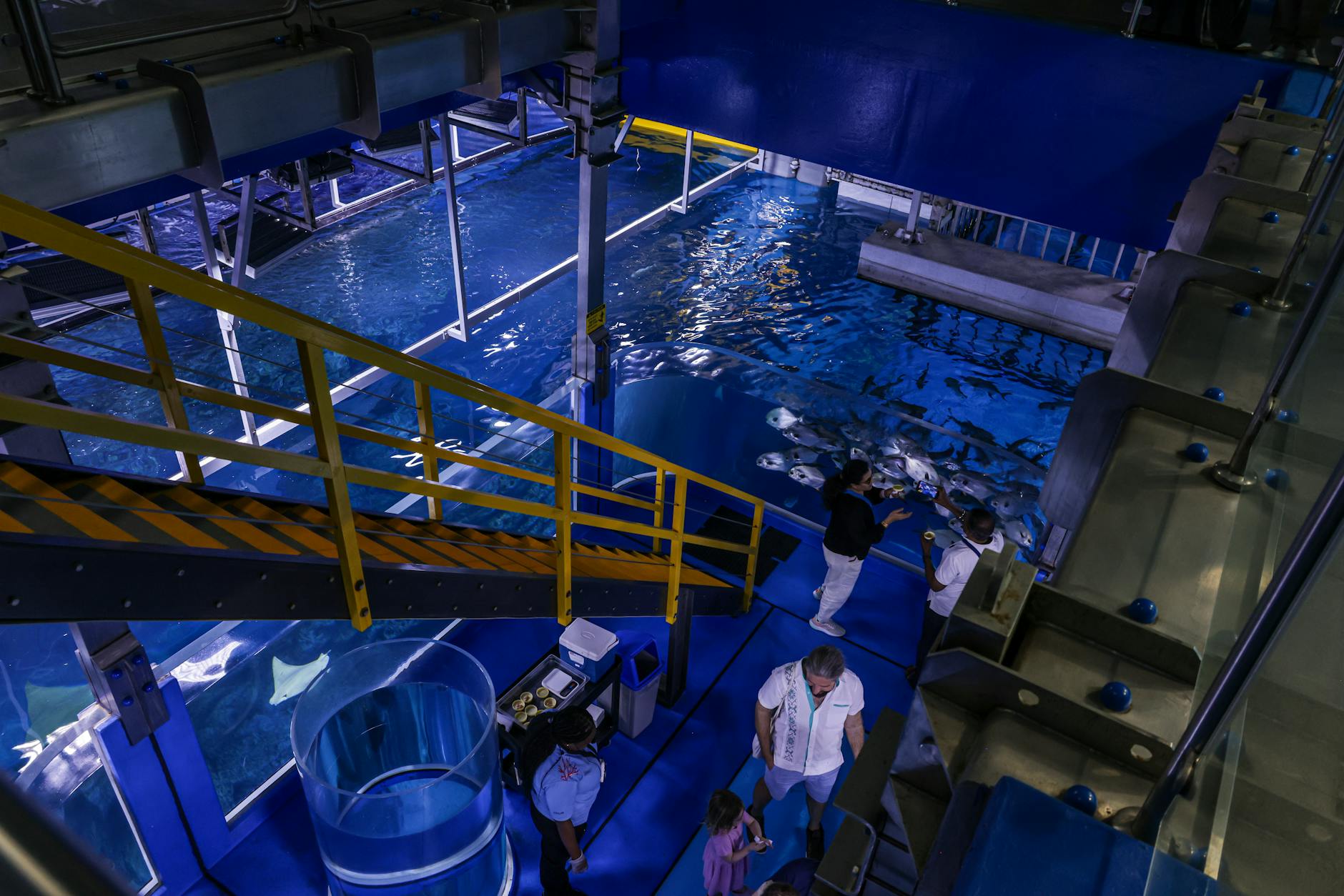
Downtown’s giant aquarium pairs large habitat galleries and public encounters with K–12 programming, on-site animal care and conservation initiatives that extend beyond a standard visit.
The Georgia Aquarium in downtown Atlanta stages large habitat galleries and a roster of public programs that let visitors move from passive observation to hands-on learning and up-close animal experiences. Its mix of ticketed encounters, K–12 resources, and visible animal-care operations means a visit can be part field trip, part lab tour and part civic fundraising platform.
Fast facts
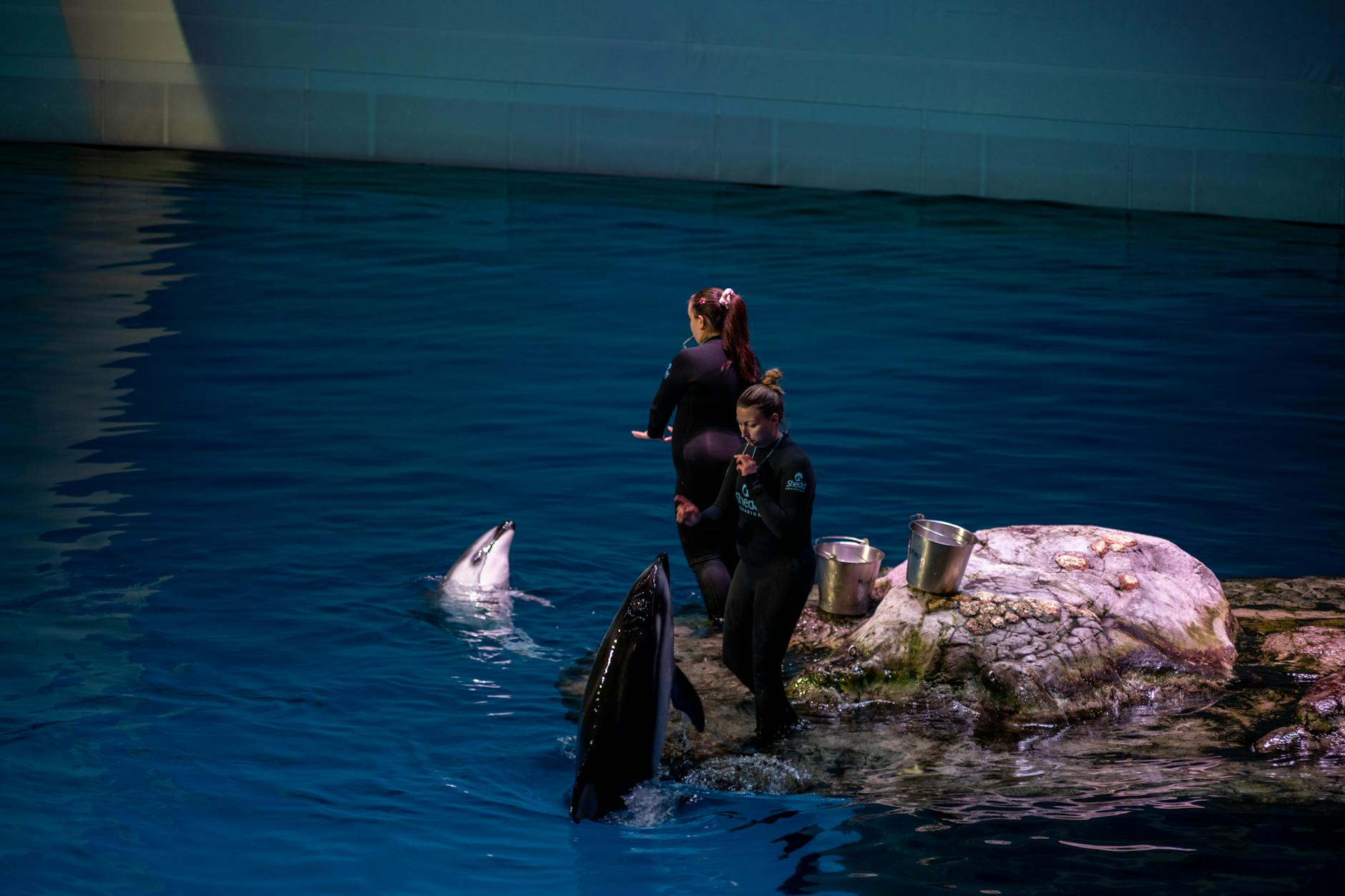
- Multiple on-site encounters and tours let visitors see animal care up close. Beyond general admission, the aquarium sells a range of paid experiences—animal encounters (beluga, dolphin, sea lion, sea otter, penguin and harbor seal), swims and dives with larger species, behind‑the‑scenes tours and sleepover programs—that place visitors in supervised proximity to staff and animals for interpretive learning.
- Education offerings are structured for K–12 audiences and classroom alignment. Georgia Aquarium promotes field trips, curriculum-linked lesson materials, virtual field trips, Camp H2O and a Home School program (Tuesdays in the Field), plus teacher resources and professional development intended to connect classroom standards with on-site and remote marine-science learning.
- Veterinary, rescue and husbandry operations are integrated into public programming. The aquarium maintains animal-health and husbandry teams and a veterinary-research program; those operations feed presentations, exhibit signage and special behind‑the‑scenes programming that explain day-to-day care, rescue work and research partnerships to visitors.
- Conservation initiatives combine visitor engagement, partnerships and outreach. Initiatives listed on the aquarium’s site—such as One Ocean One Health, Seafood Savvy and collaborative research partnerships—tie fundraising, volunteer opportunities and public messaging to regional and global species projects and outreach campaigns.
- Practical trip planning tools and membership options help schools and repeat visitors coordinate visits. Georgia Aquarium publishes a daily schedule, timed-entry reservation policies (Aqua Pass holders require reservations), an app for ticket access and maps, group‑ticketing information, and combo-ticket packages (for example, with World of Coca‑Cola) to support school groups, families and frequent visitors in planning visits.
The story behind it
The physical experience is designed around layered learning: massive tanks and themed galleries provide the spectacle, while scheduled presentations, keeper talks and interpretive signage translate what visitors see into science and care narratives. For guests who want more than a stroll past the tanks, the aquarium sells encounters and specialty experiences—everything from supervised swims with gentle giants to backstage tours and overnight programs—that put educators and animal-care staff in direct conversation with audiences. Those offerings are scheduled and reserved separately from general admission, so planning ahead is necessary for groups and families who want a deeper view.
On the education side, the aquarium packages resources for schools and teachers alongside public programming. The institution promotes field-trip bookings, virtual field trips and curriculum‑linked lesson plans, and runs seasonal camps and a regular home‑school field‑day program. Those K–12-focused materials are intended to make a school visit actionable for classroom learning: teacher guides, standards connections and presentation reservations are all visible on the education pages. For larger groups, the site also lists group-ticketing options and planning tools so chaperones can align visits with school schedules.
Georgia Aquarium’s public-facing conservation and research work is anchored by on-site veterinary and husbandry operations and by named initiatives such as One Ocean One Health and Seafood Savvy. Rescue and veterinary-research efforts are described in the Research & Conservation section and are incorporated into signage and special programs that explain how day-to-day animal care links to broader species work. The aquarium also signals ways visitors can support those efforts—through donations, volunteer and membership programs, and outreach partnerships—so public engagement funnels into the organization’s regional and global conservation activities.
Keeping You In The Know