



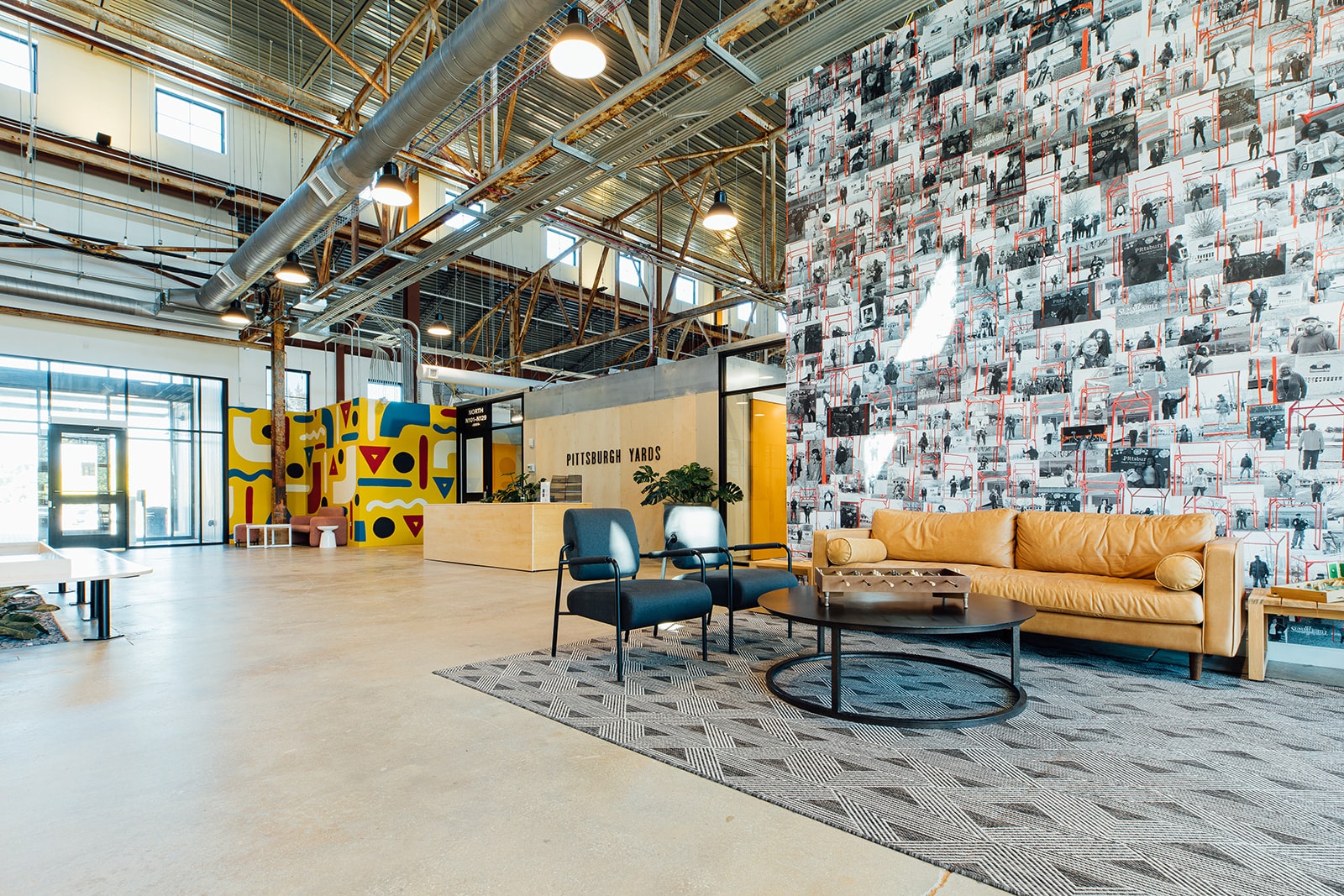
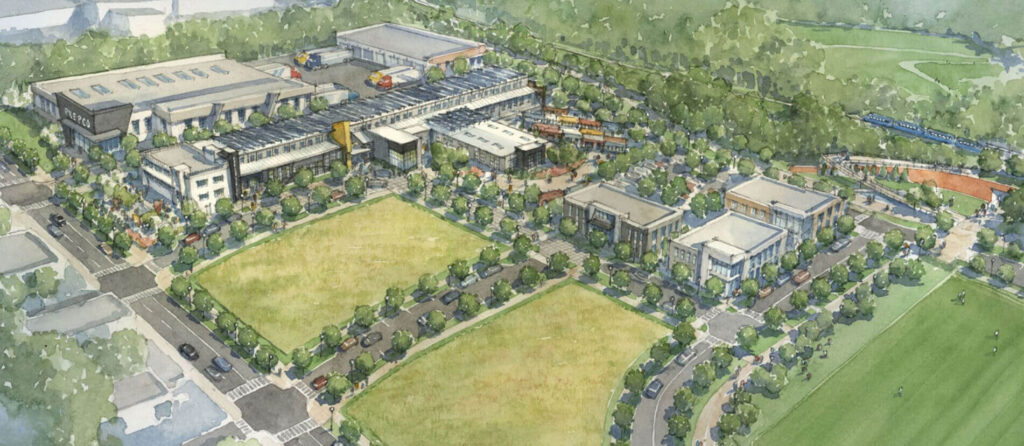
As World Cup crowds pack Mercedes-Benz Stadium and the Gulch, some of that noise will travel south along the Atlanta BeltLine to a different arena: the lawn, steel pavilion, and shipping-container courtyards of Pittsburgh Yards, where the Southside Trail meets University Avenue.
That’s where the Atlanta BeltLine Fest will unfold as a free, two-day celebration during FIFA World Cup 2026™ matches in Atlanta. While visitors fill hotel blocks around Mercedes-Benz Stadium and the Georgia World Congress Center, organizers are betting some of that global energy will move down the trail into a working neighborhood hub that regular BeltLine users already treat as shortcut, meetup spot, and weekly routine.
The Know: A counterpoint to the stadium core
Atlanta is scheduled to host eight World Cup matches, including a semifinal, with the predictable side effects: sold-out seats, premium prices, and tight streets around Mercedes-Benz Stadium. BeltLine Fest is designed as a public counterweight to that ticketed epicenter—a way to plug into the city’s World Cup moment without going through a turnstile.
The festival uses the BeltLine to pull people into the neighborhoods that frame the Southside Trail, creating a space that doesn’t require a day pass, wristband, or reservation. For residents, it’s a familiar gathering ground reframed for a global event. For visiting fans, it’s a direct look at an Atlanta that isn’t wrapped in skybridges and parking decks.
Pittsburgh Yards sits just far enough from the stadium cluster to feel like a step outside the event bubble. You’re still close enough to hear traffic off I-85 and the occasional freight train along the edge of the property, but the dominant sound is the trail itself—bike bells, conversations, kids cutting across the lawn to the BeltLine ramp. During BeltLine Fest, that everyday motion becomes the circulatory system, feeding in fans from both directions of the Southside Trail.
Why Pittsburgh Yards, and why the Southside
The choice of Pittsburgh Yards is about more than open space. Tucked off University Avenue in the historic Pittsburgh neighborhood, the 31-acre former trucking terminal has been reworked into a commercial and community campus with a stated focus on supporting legacy residents and Black-owned businesses as the Southside Trail builds out around it.
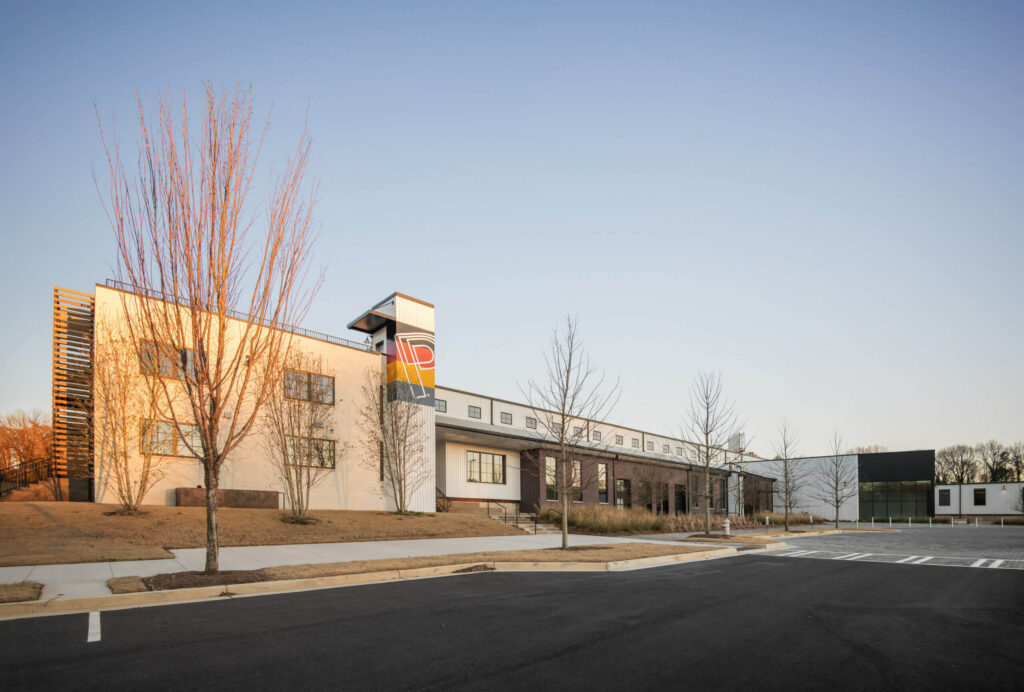
On a weekday, the site hums at a neighborhood pace: food trucks easing onto the pad by the pavilion, cyclists meeting by the murals before heading toward Ormewood Park or back to West End. For BeltLine Fest, the pavilion, lawn, and container courtyards become the main footprint, turning those everyday gathering spaces into a World Cup-facing stage.
The layout pushes foot traffic directly past the small businesses and makers in the Nia Building and the surrounding yards. Instead of a fenced-off fan zone, the festival spills onto the trail itself, so international visitors who might otherwise only see Peachtree Center escalators and stadium concourses are walking through a district usually outside Atlanta’s big-event orbit.
That visibility carries tension. Nearby neighborhoods like Capitol View, Adair Park, and Peoplestown have spent years pushing for investment that doesn’t push residents out. Bringing a headline World Cup-weekend event to Pittsburgh Yards puts long-marginalized blocks on the global map—but it also raises the familiar BeltLine-era question of who will benefit from the next wave of interest and what it will cost to stay.
The streets around the site tell a different story than the blocks around the GWCC. University Avenue carries buses, church vans, and commuter traffic between Capitol View, Adair Park, and the industrial strips that still cut across the Southside. From the trail, you see shotgun houses and brick bungalows in Pittsburgh, century-old tree cover, new townhomes edging the BeltLine, and the long, low shed line of Pittsburgh Yards itself. BeltLine Fest drops a global tournament into that everyday backdrop instead of lifting fans into a purpose-built entertainment zone.
During the 1996 Olympics, Atlanta concentrated its civic life around a single, newly built gathering ground at Centennial Olympic Park. For the 2026 World Cup, the BeltLine helps break that model into segments, spreading public activity across neighborhoods linked by the trail. The BeltLine story has often been told through the polished Eastside Trail; a World Cup-adjacent festival on the Southside signals a shift in what the city chooses to put in view.
How to go
With World Cup traffic expected to tighten everything around the Connector and the stadium district, the simplest way to reach BeltLine Fest is to skip driving into the core altogether.
- By MARTA: Ride to West End Station, then connect along University Avenue for the short trip to Pittsburgh Yards.
- On the BeltLine: The campus sits directly on the Southside Trail. Residents from Capitol View, Adair Park, Pittsburgh, and points farther along the BeltLine can walk or bike straight in.
During the festival, expect the trail itself to double as a moving pre-game, with families, cyclists, and visitors following the flow of jerseys down to University Avenue. For a city used to measuring major events in new venues and hotel receipts, centering a free World Cup-timed celebration at Pittsburgh Yards tests a different approach—one where the BeltLine, and the neighborhoods built along it, take the big-stage moment instead of watching it from a distance.