
Market overview
Atlanta’s housing market has been in a period of adjustment after the pandemic-era run-up in prices and the rise in mortgage rates that followed. Broadly, the market is calmer than it was at the peak of bidding wars, but it is not returning to a typical buyer’s market overnight.

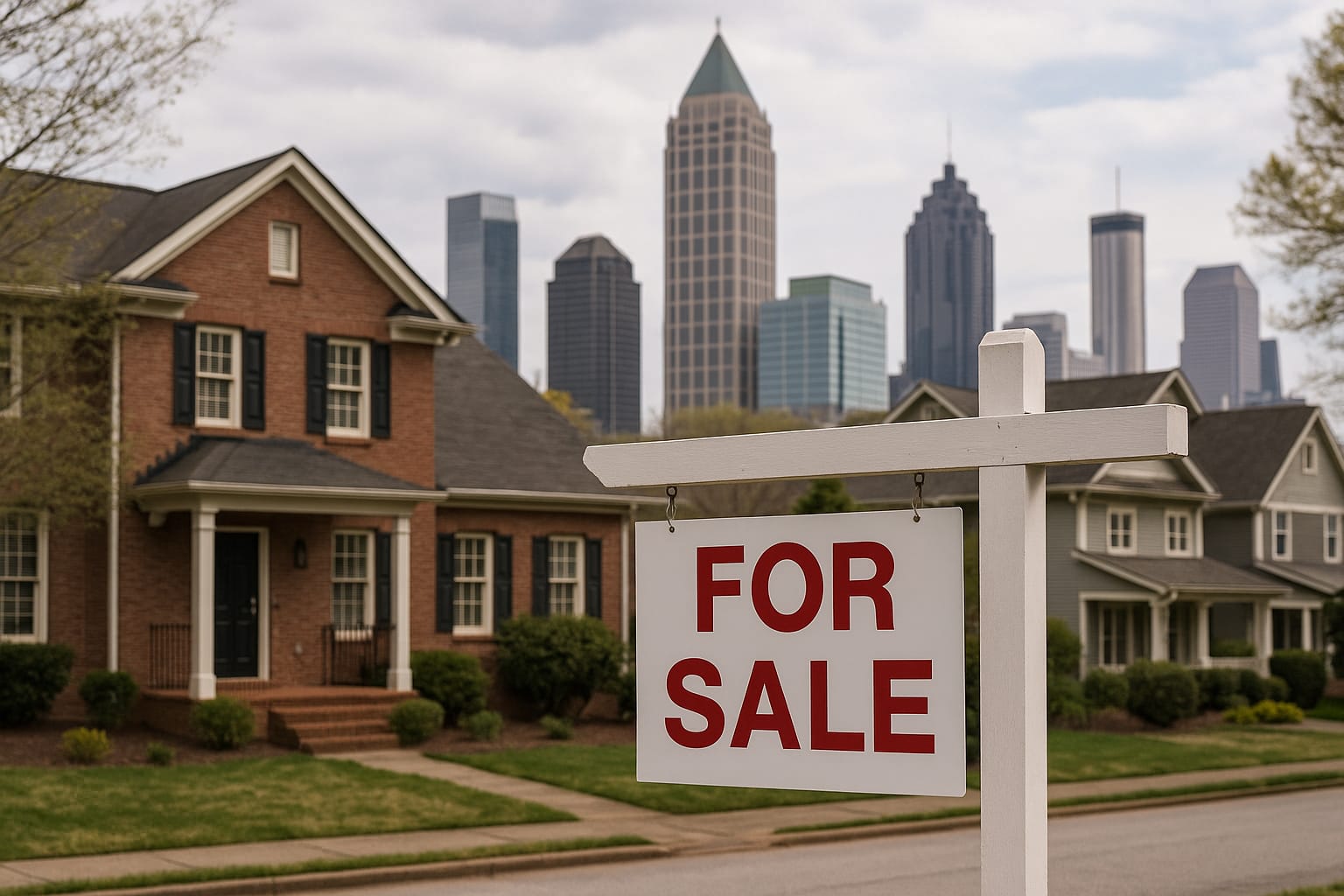
Inventory remains a key factor. Many neighborhoods report limited active listings compared with historical norms, which helps support prices even as buyer urgency eases. At the same time, some sellers who bought or refinanced during the low-rate era are hesitant to list, reducing turnover.
This draft should be updated with the latest local data (median sales price, days on market, inventory levels) from the Atlanta Realtors Association, MLS reports and county records before publication.


Who’s buying and who’s selling
Buyers in Atlanta today are a mix of first-time purchasers priced out of some coastal markets, local move-up buyers weighing higher rates, and investors drawn to stronger rental demand. Out-of-state migration to the metro area continues to affect certain price tiers, though flows can vary from month to month.
Sellers who are active now tend to have strong need-to-move reasons — job changes, family growth, or downsizing — or are targeting price points that remain in demand. Those holding low-interest mortgages often stay put unless they can offset rate differences through cash or creative financing.
Neighborhood and suburb trends
Within the city, demand is uneven. Intown neighborhoods with proximity to jobs, transit and amenities — for example, parts of Midtown, Buckhead, Old Fourth Ward and Inman Park — typically see steady interest, though condo markets can be softer than single-family homes.
Neighborhoods farther out in the exurban suburbs continue to attract buyers seeking more space and yard at a lower cost per square foot. Suburbs in Fulton, Cobb and Gwinnett counties frequently appear on buyers’ lists for school access and commute options.
Rental demand across the metro remains robust, which sustains investor interest in multi-family and single-family rental properties. This dynamic can tighten resale supply in certain corridors if owners choose to keep properties as rentals rather than sell.
What this means for buyers
Buyers should go into the market with clear financing plans. Preapproval remains essential, and being realistic about monthly payments in a higher-rate environment will narrow the search to sustainable options.
Be prepared to move quickly on well-priced properties, but also seek inspections and contingencies that protect long-term value. Consider neighborhoods that offer growth potential — proximity to transit projects, commercial investment or BeltLine-adjacent development — but verify local plans and timelines.
What this means for sellers
Sellers benefit from staging, professional photography and competitive pricing. In areas with more inventory, price discipline matters; in low-inventory pockets, homes that are well-priced and show-ready can still receive multiple offers.
For homeowners facing a higher-rate purchase, options such as seller concessions, rate buydowns or bridging loans may be worth discussing with an agent and lender.
Items to watch
Key indicators to monitor in the coming months include mortgage rate movements, changes in active listings, new construction delivery in the metro area, and local policy decisions around zoning or affordable housing that could shift supply dynamics.
Before publication, confirm recent figures on median sale price, inventory, and days on market with Atlanta-area MLS reports, county filings and major brokerages to provide readers the most current snapshot.
SEO Description: Snapshot of Atlanta’s housing market trends — inventory, neighborhood demand, rental dynamics and practical tips for buyers and sellers.