



A compact guide to the franchise’s city lineage, stadium chapters and how the team’s official history uses ballpark eras to frame changes on and off the field.
The Atlanta Braves’ story on the team site is presented as a sequence of place-based chapters rather than a flat list of seasons. From city moves to stadium openings, the club’s official materials use ballpark eras to mark changes in attendance patterns, fan culture and the franchise’s civic role. That organizing frame lets reporters and fans link players, executives and notable seasons to the neighborhoods, economic conditions and game‑day routines that shaped each period.
Fast facts
-
- The Braves history pages tie franchise storytelling to specific sections that organize ballpark and era information. On the official site, the franchise’s narrative is divided across labeled sections such as Story of the Braves, Ballparks and Timelines. Story of the Braves gives the overarching narrative, Ballparks focuses on each home field and its era, and Timelines arranges seasons and events by century. Reporters and researchers can move among these sections to match a given season, roster or executive change with the appropriate home stadium and historical chapter.
-
- The club’s arrival in Atlanta marked the franchise’s relocation to the city in 1966. The team’s history materials identify the move to Atlanta in 1966 as a turning point that established Major League Baseball’s long-term presence in the city. In the franchise timeline, that year functions as the starting marker for Atlanta-focused chapters, with subsequent entries describing how schedules, postseason appearances and organizational changes play out under the Atlanta heading rather than previous city names.
-
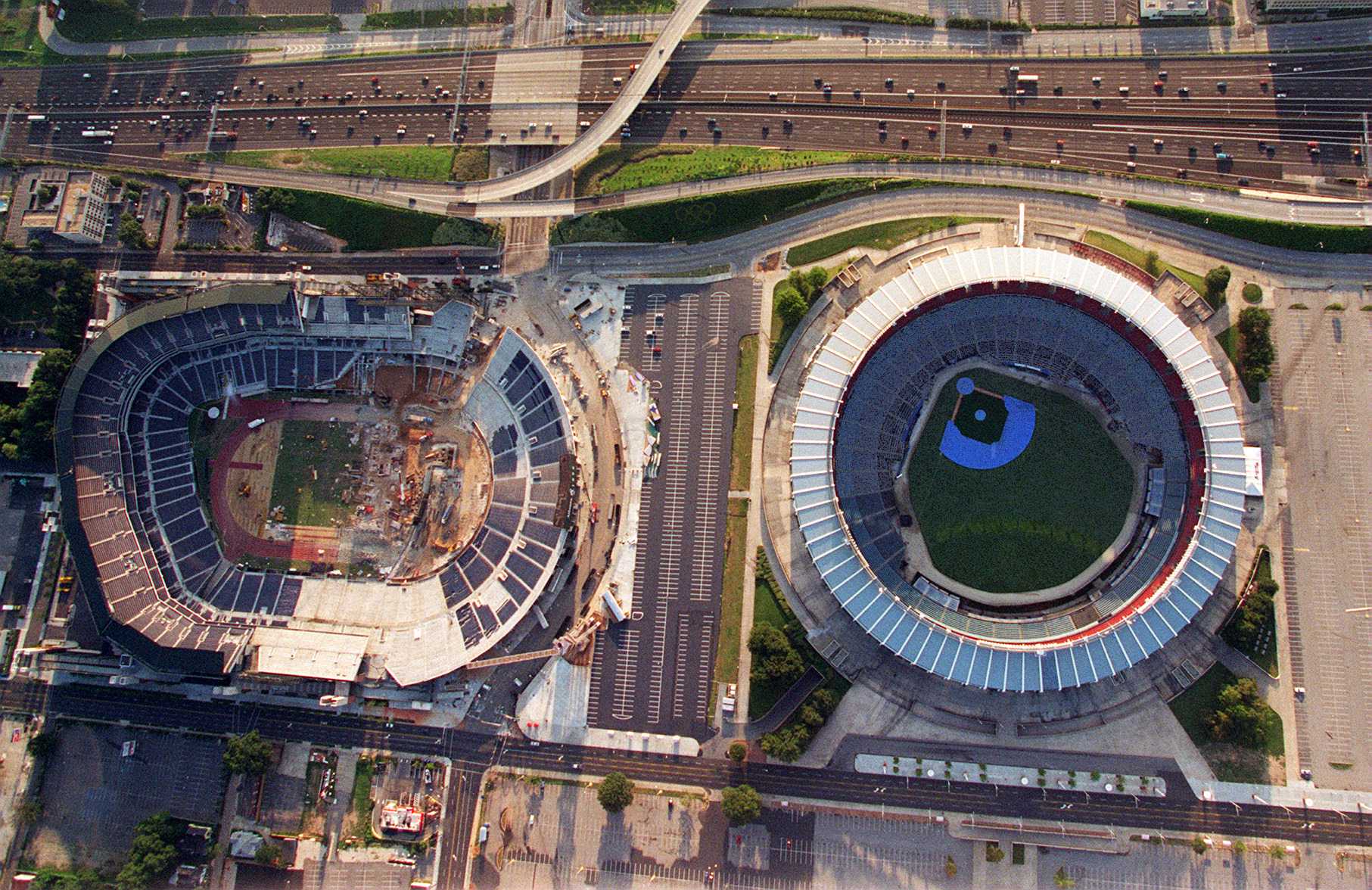
- Braves history is organized into distinct ballpark eras that writers use to frame changes in fan routines and civic relationships. The official Ballparks and Story of the Braves sections divide the franchise into stadium-based periods, including stretches at Atlanta–Fulton County Stadium, Turner Field and Truist Park. Each era entry describes features of the facility and surrounding area, giving context on seating layouts, neighborhood setting and game-day access. This structure lets coverage of fan traditions, attendance trends or neighborhood ties be linked to the stadium that shaped those habits.
-
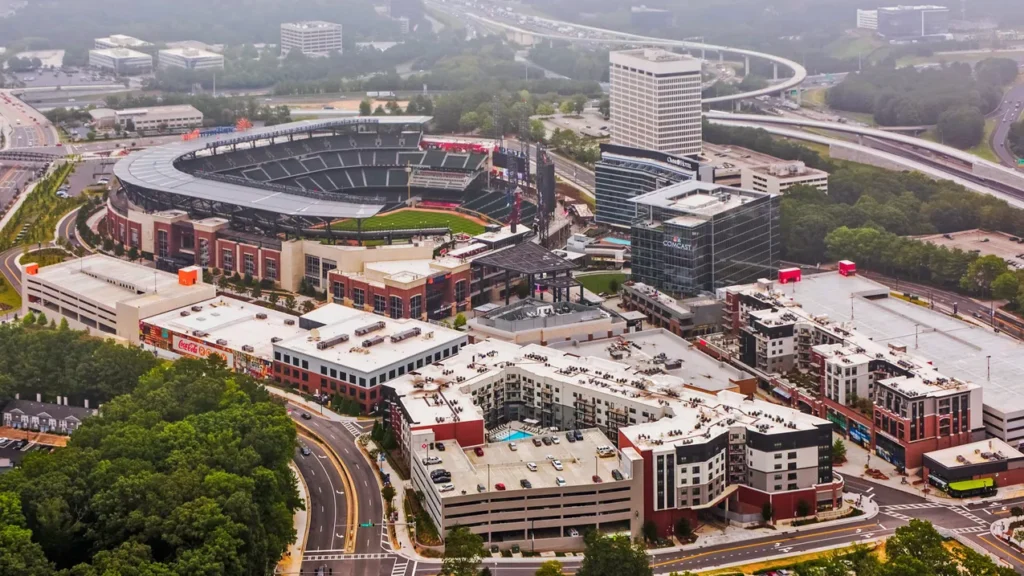
- The most recent ballpark era began when the Braves moved to their current suburban stadium site in 2017. Braves historical materials and Truist Park guides mark 2017 as the opening of the club’s current ballpark, describing it as the start of a new era centered on a mixed-use development outside downtown Atlanta. Entries for this period highlight how the stadium is integrated with retail, dining and entertainment spaces, providing context for stories about changes in traffic patterns, regional partnerships and the in-park experience compared with earlier in-city venues.
- The team’s official timeline links postseason milestones, Hall of Famers and front‑office shifts to its stadium chapters. Timelines and Awards & Honors pages group playoff appearances, league awards and Hall of Fame names under headings that correspond to the broader franchise eras laid out in Story of the Braves and Ballparks. Manager, coach and broadcaster lists on the history hub are arranged the same way. This makes it straightforward to see which competitive peaks, individual awards or leadership changes align with particular ballparks and to situate any given season within that larger structure.
The story behind it
On the Braves’ official history hub, the organization is treated as a continuous franchise with a long lineage that now centers on Atlanta. Instead of isolating individual seasons, the site groups the club’s history into eras defined by where the team played and how those venues functioned within their surroundings. Story of the Braves supplies the narrative overview, while Ballparks and Timelines provide the structure that anchors particular rosters, records and managers to the stadium and community setting of the time.
Stadium moves function as major pivots in that narrative. The relocation to Atlanta in 1966 is singled out on the team timeline as the moment that fixed MLB’s presence in the city and started a distinct Atlanta chapter, separate from earlier decades in other markets. That turning point is reflected in how subsequent entries describe the team’s relationship to a local fan base, the shift to an in‑city stadium and later debates about site selection, renovations and eventual replacement of the original Atlanta facility.
The franchise history then uses later stadium transitions to mark off new periods. Ballparks entries for Atlanta–Fulton County Stadium, Turner Field and Truist Park describe not only seating capacity and field dimensions but also the different urban settings that hosted Braves baseball. Turner Field’s material, for instance, situates the ballpark within the downtown and in‑city landscape, while Truist Park documentation emphasizes its role within a purpose‑built, suburban mixed‑use district that combines the stadium with shops, restaurants and entertainment venues.
The 2017 move to the current suburban site is treated as the latest major shift, and its description shows how the club uses ballpark eras to explain off‑field change. Truist Park guides and history notes point to new traffic routes, parking plans and pregame gathering spaces that come with a stadium embedded in a commercial district rather than a traditional downtown grid. When paired with the Timelines and Awards & Honors sections, that framing lets observers connect a given postseason run, star player or front‑office reshuffle to the specific ballpark environment and surrounding neighborhood that defined the Braves’ Atlanta story at that moment.
Keeping You In The Know