



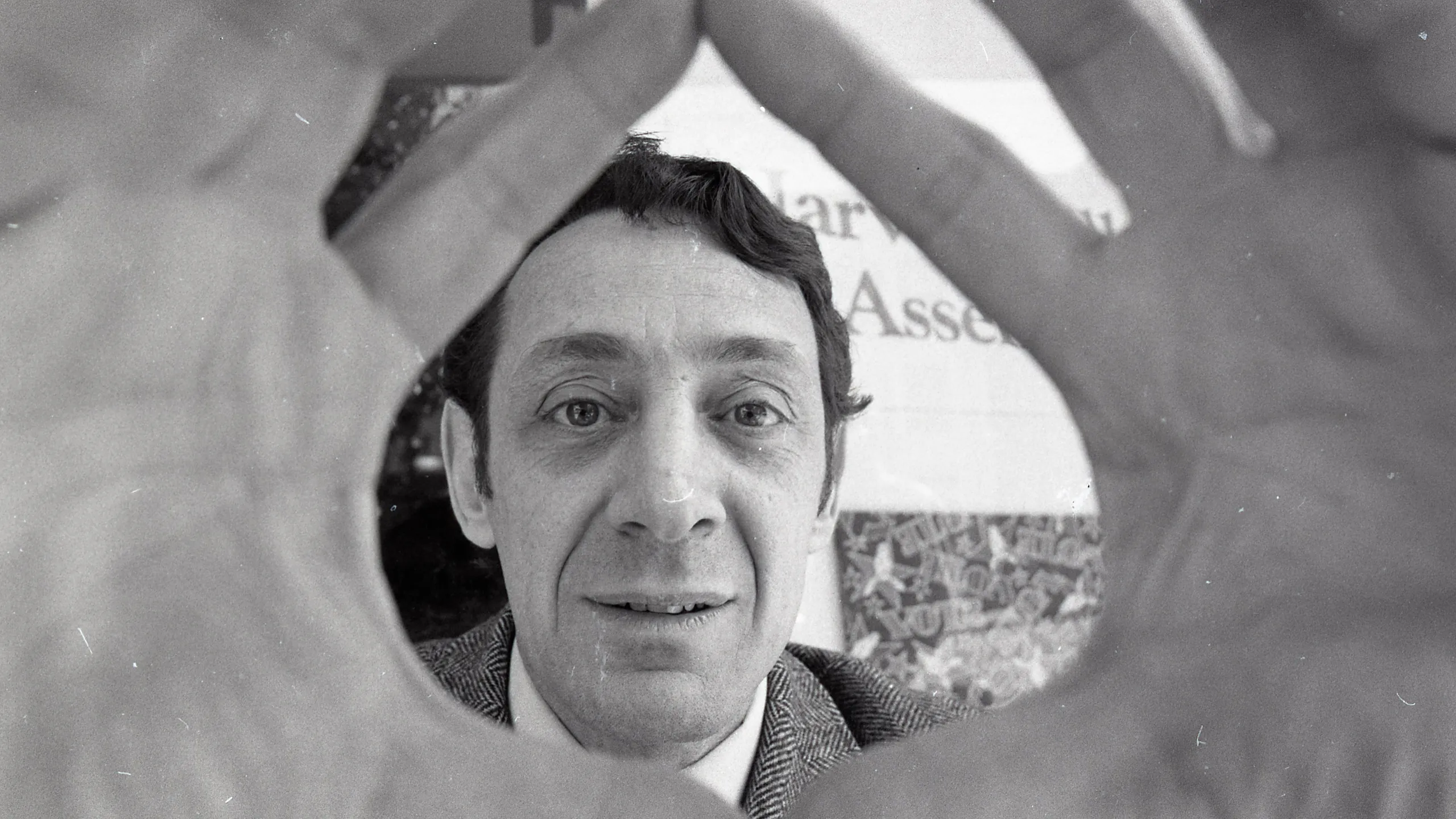
Each year on May 22, communities across the United States recognize Harvey Milk Day, a day dedicated to celebrating the life, legacy, and impact of Harvey Milk. Observed on Milk’s birthday, the day serves as both a tribute to one of America’s most influential LGBTQ civil rights leaders and a reminder of the continuing struggle for equality, visibility, and human rights.
For the LGBTQ community, Harvey Milk represents far more than a historical figure. He symbolizes courage, authenticity, political participation, and hope. At a time when openly gay public officials were almost unheard of in America, Milk stepped into public life without hiding who he was. His decision to live openly and advocate fearlessly for equality helped change the national conversation surrounding LGBTQ rights and inspired generations of activists and leaders who followed.
Born in 1930 in Woodmere, Milk grew up during an era when homosexuality was heavily stigmatized and criminalized. LGBTQ Americans often faced discrimination in employment, housing, education, and public life. Many lived in secrecy out of fear of rejection or violence. Despite these challenges, Milk eventually became one of the first openly gay elected officials in the United States.
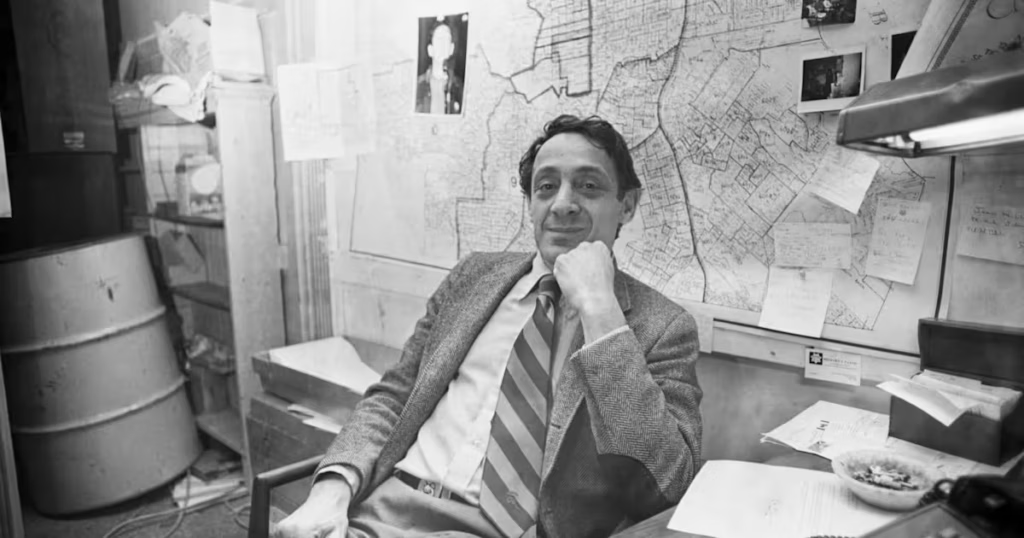
After moving to San Francisco in the 1970s, Milk opened a small business called Castro Camera in the city’s Castro District, which was becoming a major center of LGBTQ culture and activism. Through his involvement in the local community, he quickly became a well-known advocate for neighborhood businesses, workers’ rights, and marginalized residents. His ability to unite different groups around common goals made him an effective and charismatic political figure.
Milk ran for office several times before finally being elected to the San Francisco Board of Supervisors in 1977. His victory was historic. For many LGBTQ Americans, seeing an openly gay man elected to public office offered a sense of representation and possibility that had rarely existed before. Milk believed deeply in the power of visibility, often encouraging LGBTQ individuals to come out openly because he believed familiarity could reduce prejudice and fear.
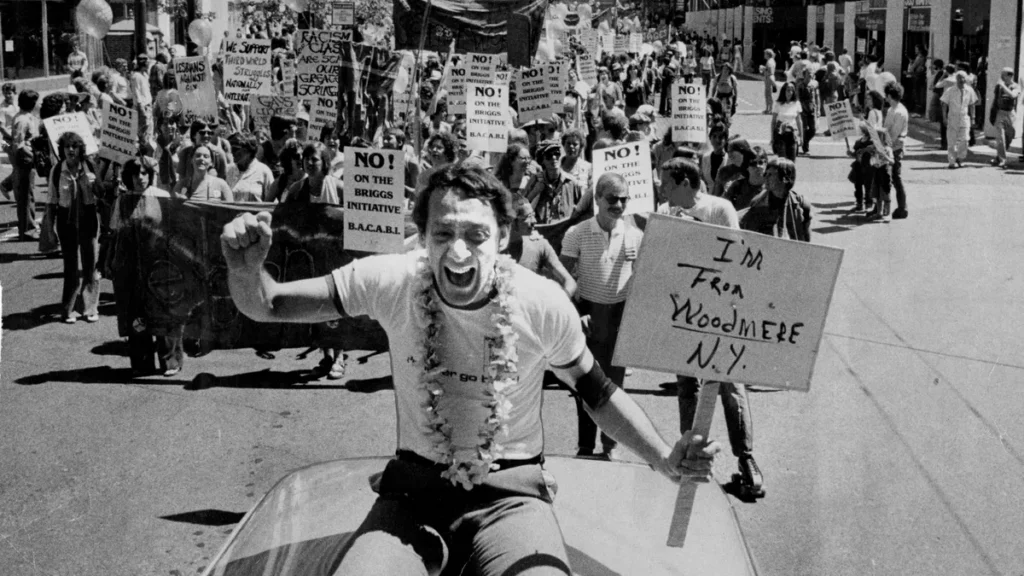
One of the defining moments of Milk’s political career came during the battle against California’s Briggs Initiative, also known as Proposition 6. The initiative sought to ban gay and lesbian individuals from working in California public schools. Milk became one of the leading voices opposing the measure, traveling throughout the state to speak publicly against discrimination. The proposition was ultimately defeated, marking a major victory for LGBTQ rights and demonstrating the growing political strength of the gay community.
Milk’s life was tragically cut short on November 27, 1978, when former supervisor Dan White assassinated both Milk and George Moscone inside San Francisco City Hall. The murders shocked the nation and devastated the LGBTQ community. Thousands gathered in candlelight vigils across San Francisco to mourn a leader who had become a symbol of progress and hope.
Although his political career lasted less than a year, Harvey Milk’s legacy has endured for decades. In 2009, Arnold Schwarzenegger officially signed legislation establishing Harvey Milk Day in California. That same year, Barack Obama posthumously awarded Milk the Presidential Medal of Freedom, recognizing his contributions to civil rights and equality.
Today, Harvey Milk Day is observed through educational programs, community events, discussions about LGBTQ history, and celebrations of diversity and inclusion. Schools, advocacy groups, and civic organizations use the occasion to teach younger generations about Milk’s activism and the broader fight for LGBTQ rights in America.
Milk’s message continues to resonate because many of the issues he confronted remain relevant today. LGBTQ individuals in many communities still face discrimination, political hostility, violence, and unequal treatment. His emphasis on visibility and civic engagement remains a powerful reminder that progress often depends on people willing to speak openly and demand change.
Perhaps Harvey Milk’s most lasting contribution was his belief in hope. He famously declared, “Hope will never be silent,” a phrase that continues to inspire activists and allies around the world. For many within the LGBTQ community, Milk represents the idea that authenticity and courage can challenge injustice and create lasting social change.
As Harvey Milk Day is observed today, it serves not only as a remembrance of one man’s extraordinary life but also as a celebration of the broader movement for equality, dignity, and human rights. Harvey Milk’s story remains a testament to the power of representation and the enduring importance of fighting for a society where all people can live openly and safely as themselves.
Keeping You In The Know