



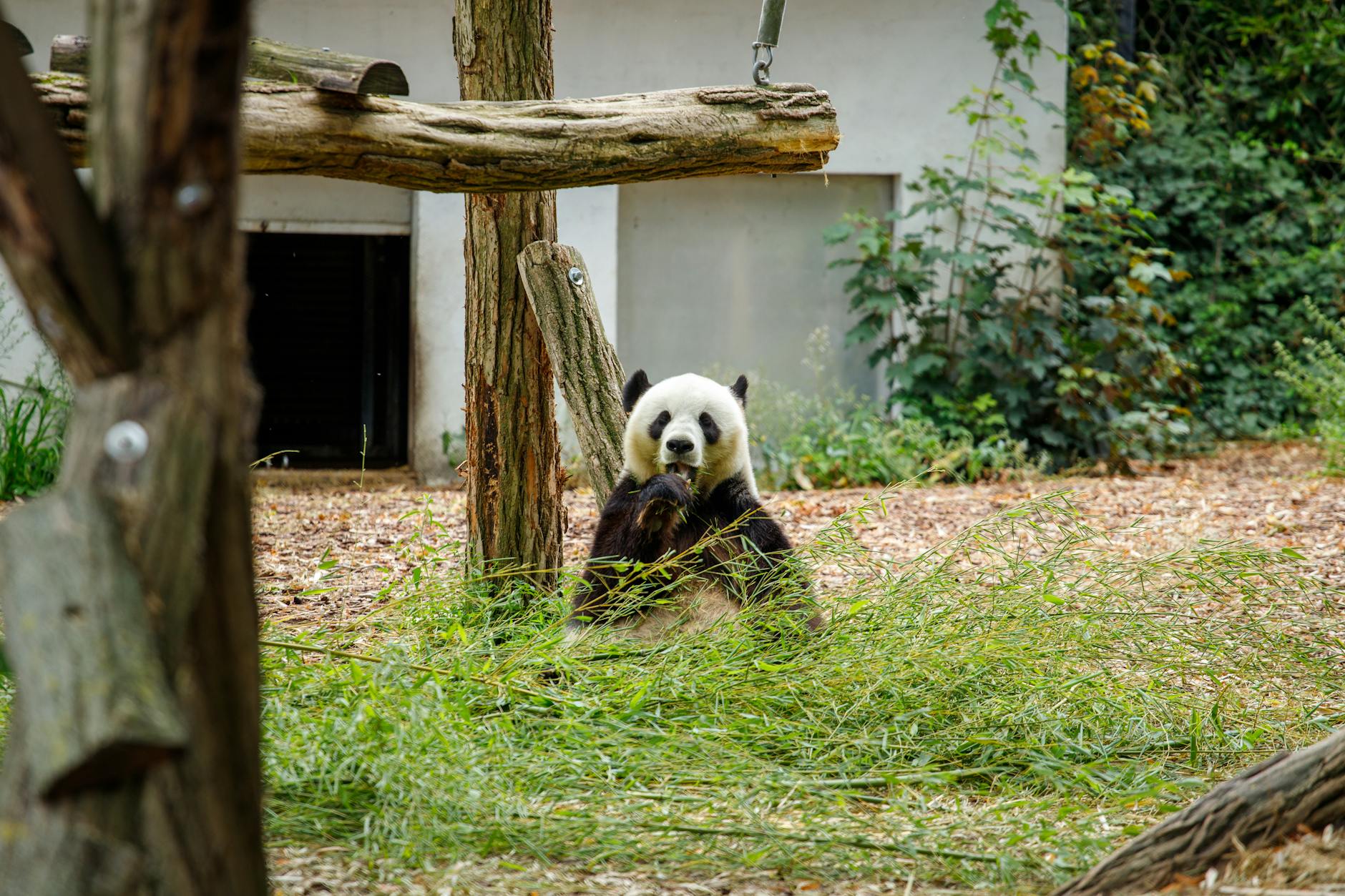
From Grant Park enclosures to classroom programs, Zoo Atlanta ties day-to-day animal care—especially for giant pandas—to broader conservation work across the region and beyond.
Nestled in Grant Park, Zoo Atlanta is where everyday animal care meets organized conservation. Its giant panda program is a visible, collaborative centerpiece—daily husbandry, public interpretation and research partnerships all happen in view of city visitors. Behind the exhibits, veterinary medicine, data collection and education programs turn zoo visits into pathways to regional wildlife work.
Fast facts
- Zoo Atlanta integrates its animal care work into a panda partnership that combines specialized husbandry with external research. The zoo’s giant panda exhibit operates as a partnership program: on-site teams manage daily husbandry and behavioral care while collaborating with outside institutions on research and breeding efforts. That mix lets visitors see routine care and supports coordinated studies that inform panda management across institutions.
- Grant Park’s urban setting shapes both visitor experiences and the zoo’s hands-on conservation messaging. Located inside Grant Park, Zoo Atlanta presents close-up exhibits and keeper talks that connect an urban audience to wildlife-science topics—school programs, interpretive guides and biofacts are used to translate behind-the-scenes work into classroom-ready conservation lessons.
- On-site veterinary and animal-welfare operations support broader species-recovery activities. Zoo Atlanta pairs visible exhibits and seasonal programming with behind-the-scenes veterinary care, habitat management and welfare protocols; those operational capabilities are essential for the zoo’s participation in breeding and conservation initiatives that extend to regional and international recovery programs.
- Public programming bridges guest experiences with conservation science and ongoing research. Keeper talks, camps and Mornings at the Zoo sessions spotlight specific species and care practices, using observation and Q&A to show how daily husbandry contributes to monitoring, data collection and applied conservation projects.
- Zoo Atlanta’s conservation role extends beyond pandas into coordinated species programs and outreach. The institution participates in species-conservation and breeding programs that link on-site captive care with regional initiatives—public events and fundraising weekends explicitly tie visitor support to conservation funding for species and habitats both locally and internationally.
The story behind it
Zoo Atlanta’s campus inside Grant Park creates a constant crossing of two worlds: urban recreation and active wildlife science. Visitors come for exhibits and seasonal events, but the zoo layers interpretive programming—keeper talks, school curricula and dedicated sessions like 'Mornings at the Zoo'—over those amenities to show how animal welfare and conservation science operate. That educational framing helps Atlantans understand that feeding schedules, enrichment and habitat design are part of a broader knowledge effort that supports species-management decisions.
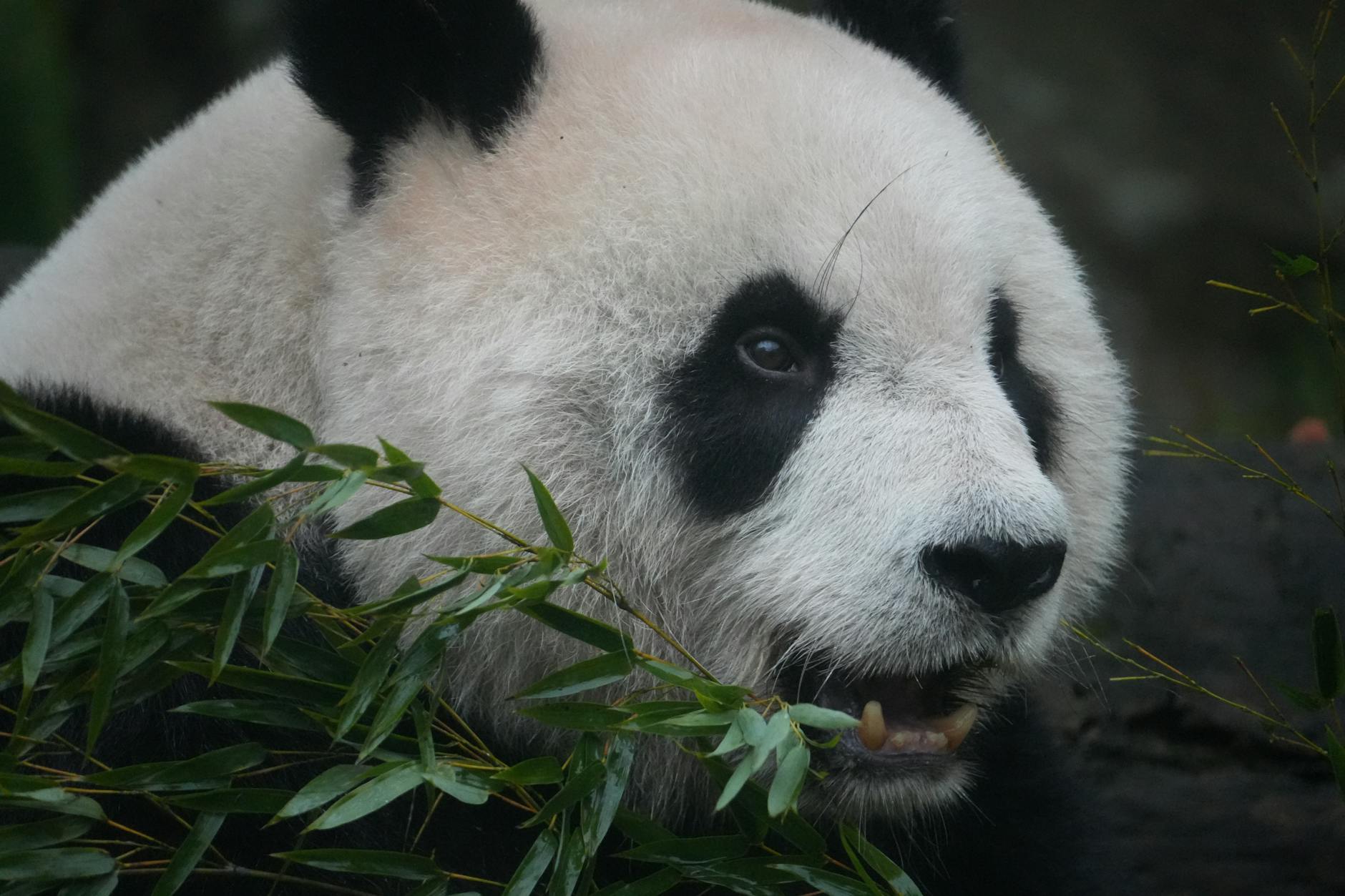
The giant panda program exemplifies that connection. It’s run as a partnership that combines the specialized day-to-day care you can observe on-site with collaborative research and breeding work shared with outside institutions. Those partnerships let Zoo Atlanta contribute clinical observations, behavioral data and husbandry best practices to wider efforts focused on recovery and species health. Meanwhile, visible veterinary routines and habitat upkeep—documented on the zoo’s information pages—underscore that modern zoos maintain clinical and husbandry infrastructure necessary to take part in coordinated programs.
Conservation at Zoo Atlanta is not limited to headline animals. The zoo explicitly links visitor-driven fundraising and public events to conservation initiatives, and its conservation blog and news items describe ongoing projects and outreach. That means a family visit can feed into regional work: the same staff who maintain exhibits also collect and analyze data, run captive-breeding protocols, and teach school groups how everyday behavior-change—like choosing native plants or reducing single-use plastics—fits into broader efforts to protect habitat and species. For Atlantans, the zoo offers both a local place to learn and a node in larger networks that move conservation from lab and clinic into neighborhoods and classrooms.
Keeping You In The Know