



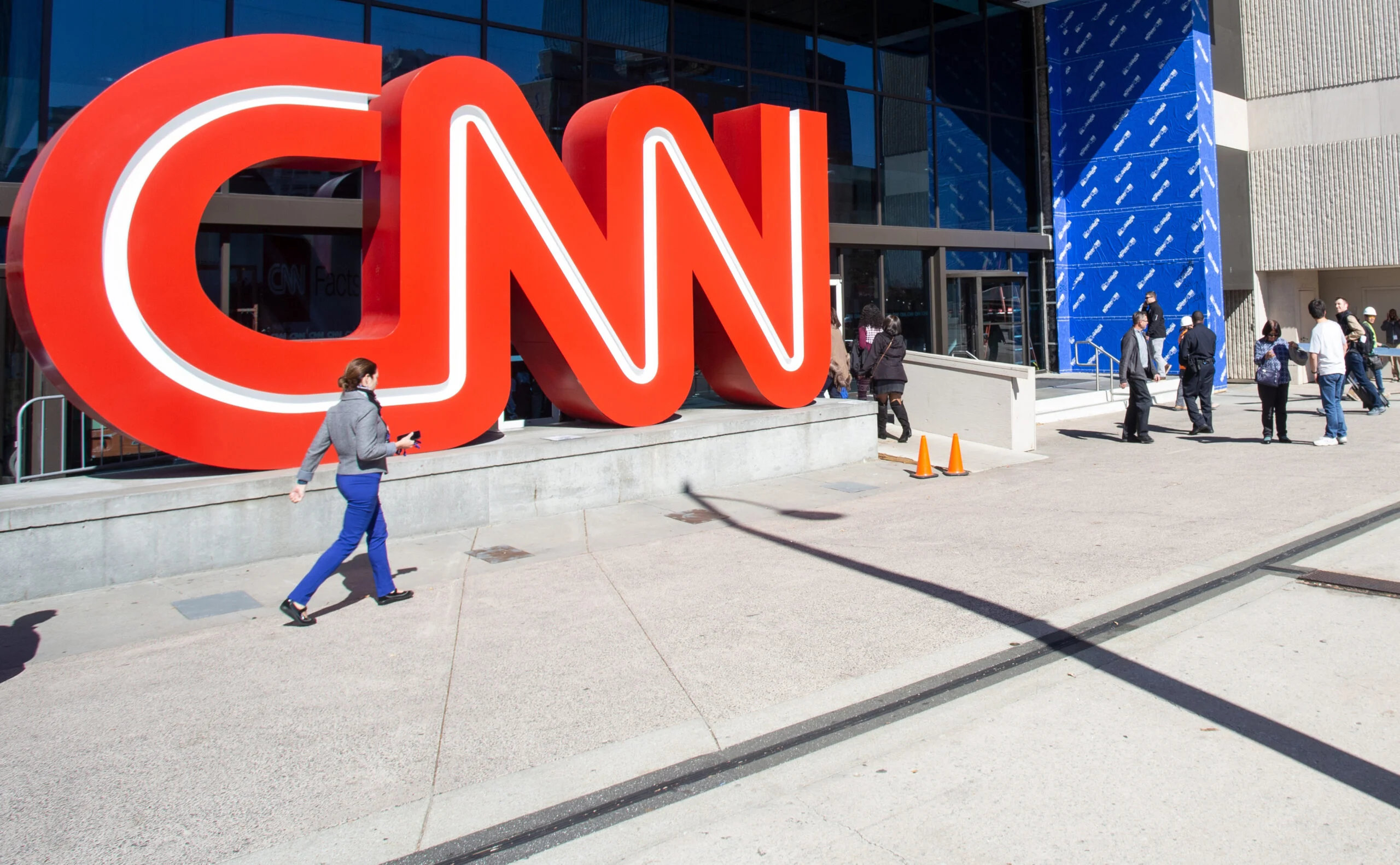
On a humid weeknight between Centennial Olympic Park and State Farm Arena, the former CNN Center sits in limbo. The red letters are gone, fencing pitches “The Center,” and the spinning globe and food court crowds are memories. Yet the way Atlantans still move through downtown and Midtown traces decisions Ted Turner made decades ago.
His name is fading from facades, but his blueprint still guides commutes, lunch breaks and game‑day walks between Mercedes‑Benz Stadium, State Farm Arena and Midtown — even as developers redraw the map.
The Know: Where Turner still shapes the city
- Downtown’s sports and media spine: The corridor from State Farm Arena and Mercedes‑Benz Stadium over to Marietta Street and Centennial Olympic Park still follows the old CNN Center and Omni Coliseum footprint.
- Turner Field’s echo on the Southside: The Braves left, but the Turner Field era reshaped Summerhill and the neighborhoods around Hank Aaron Drive, setting the stage for Georgia State’s current expansion.
- Midtown’s walkable core: Ted Turner Drive and nearby parks, offices and restaurants help define an intown, “creative class” identity that Midtown Alliance now markets.
- Philanthropy and branding: Turner‑backed institutions and causes — from environmental work to local storytelling — still color how Atlanta sells itself as a global yet “green” city.
Downtown and Summerhill: Turner’s afterlife on the grid
For decades, CNN Center was downtown’s front door. Visitors rode up from the GWCC/CNN MARTA station to watch anchors through glass and crowd a food court that kept downtown busy between conventions and Hawks games.
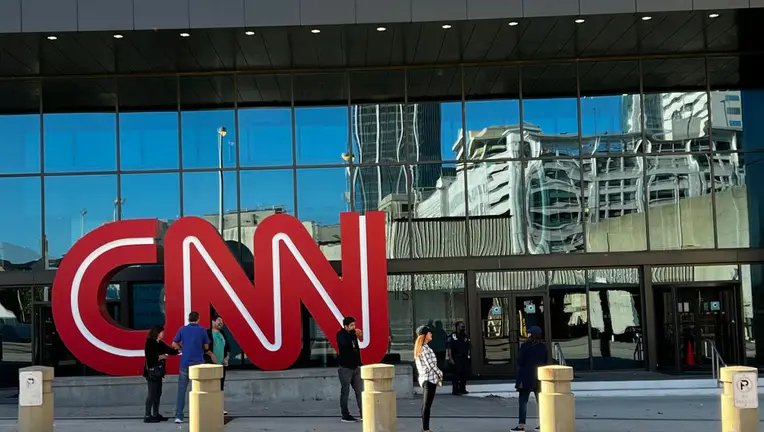
Now that stretch of Marietta Street feels like a set being re‑dressed. On game days, fans still flow from MARTA to the Benz and State Farm Arena, but they no longer pause under the spinning globe. People cut across Andrew Young International Boulevard and fan out to Centennial Olympic Park, the Gulch and a changing Marietta Street lined with cranes promising “The Center.”
What hasn’t changed is the idea that this is an entertainment and media district. The Georgia World Congress Center, State Farm Arena and Mercedes‑Benz Stadium still cluster where Turner once staged his cable empire and the old Omni. The parcels now being refashioned rest on a downtown playbook he helped write: keep people cycling back with games, shows and spectacle.
Farther south, Turner’s name no longer sits over home plate, but the Turner Field years still shape the Southside. The stadium’s orientation, its parking lots and the line of Hank Aaron Drive toward downtown molded Summerhill’s commercial strip and set up Georgia State’s expansion.
On weekends, Georgia State students cross the old Turner Field footprint to class or Panthers games, neighbors walk dogs past what used to be cash‑only parking yards, and new townhomes fill in former overflow lots. The fan traffic that once streamed down I‑75/85 for Braves games is now campus life and neighborhood errands — following the same routes Turner reinforced when he kept the team intown in the 1990s.
Midtown: Turner’s urban bet, normalized
Midtown’s evolution into one of Atlanta’s densest, most walkable districts also runs through Turner’s era. His name now marks Ted Turner Drive downtown, but the sensibility he championed — urban, media‑savvy, a bit swaggering — threads through the way Midtown presents itself.
A walk up Peachtree from the Midtown MARTA station to 14th Street passes glassy high‑rises with studios and tech tenants, ground‑floor restaurants that stay open after office hours, and a park system tying into the Atlanta BeltLine. Groups like the Midtown Alliance lean on public art, bike lanes and street‑level programming that echo the civic showmanship Turner once delivered through sports and CNN.
For residents in condo towers off West Peachtree or 10th, what feels ordinary — living, working and going out within a tight, transit‑served grid — is part of Turner’s legacy. He proved you could run a global network and a big‑league team from an intown address instead of a suburban office park. Midtown’s “creative city” pitch is built on that bet.
How to read the Turner legacy now
Turner’s story in Atlanta is less nostalgia than a guide to watching redevelopment unfold. The same corridors he energized are now in flux:
- Watch the transitions: The conversion of CNN Center into “The Center” will decide whether downtown keeps a true public gathering space or becomes a sleek pass‑through between stadiums and hotels.
- Track who benefits: Redevelopment around the former Turner Field and the Southside will show whether longtime residents gain walkable streets, local businesses and transit access — or just higher rents.
- Study the street life: Midtown’s mix of office workers, students and event‑goers at lunch and after dark reveals what happens when media, arts and housing cluster together.
Turner used TV cameras and baseball broadcasts to sell Atlanta as a big‑league city. Today’s developers, civic groups and neighborhood leaders are rewriting that story block by block, from Marietta Street to Midtown’s core to Summerhill. To see the next chapter, follow the paths Turner helped set: step off MARTA at GWCC/CNN and look toward “The Center,” walk Hank Aaron Drive past the old stadium footprint, or head up Peachtree at rush hour. The logos may change, but the way Atlantans move through downtown and Midtown still carries his imprint.