



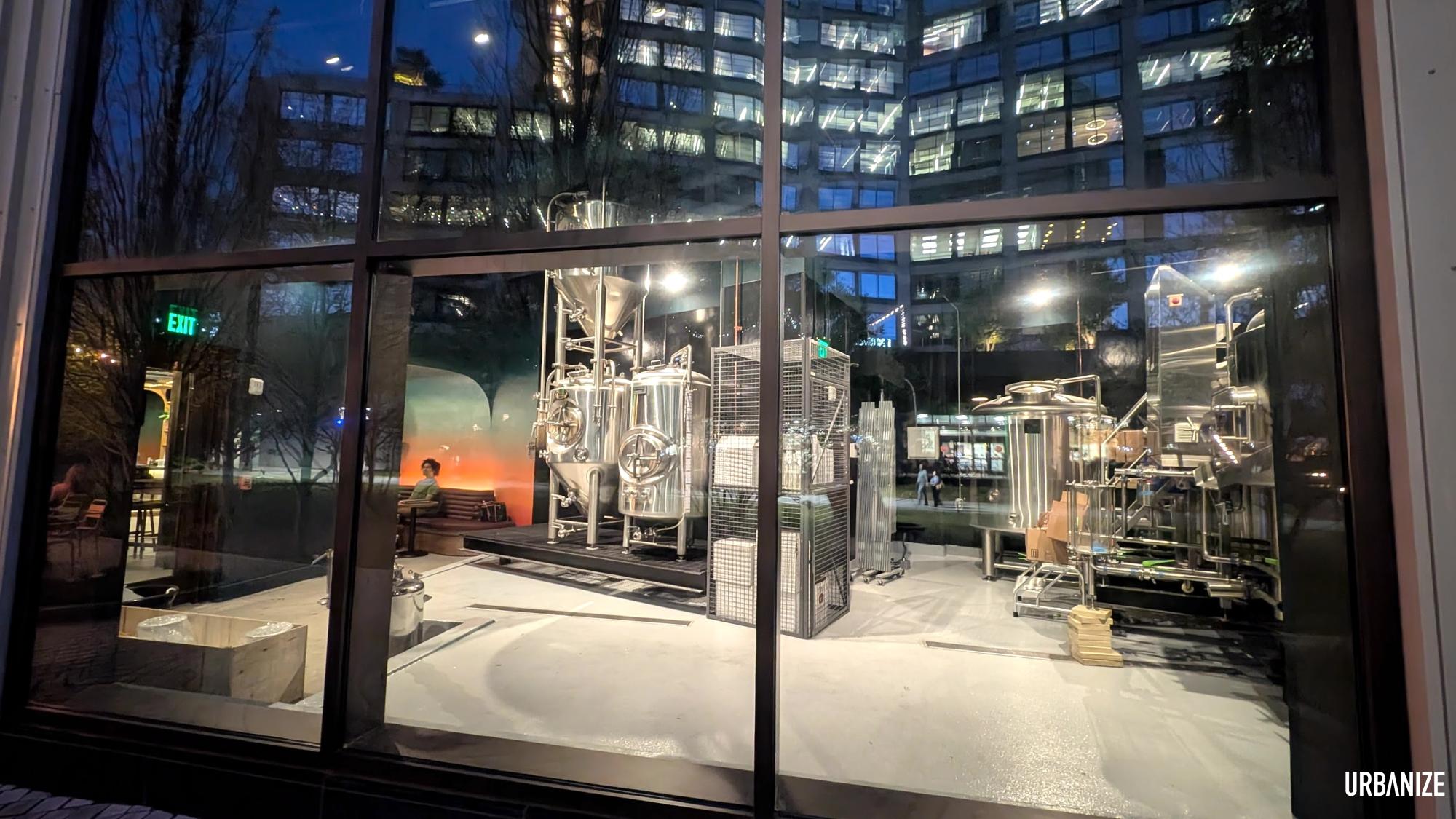
A new trail‑side bar has opened along Ponce City Market’s BeltLine façade, giving Eastside Trail users and Old Fourth Ward neighbors another place to pause, sip, and settle in.
On one of the BeltLine’s busiest stretches—where joggers weave past stroller brigades and weekday commuters drift into evening—Ponce City Market has added a fresh reason to slow down. As Urbanize Atlanta first reported, a new bar has joined the market’s lineup of food‑and‑drink tenants, opening directly onto the BeltLine and extending PCM’s role as a social crossroads for the surrounding neighborhood.
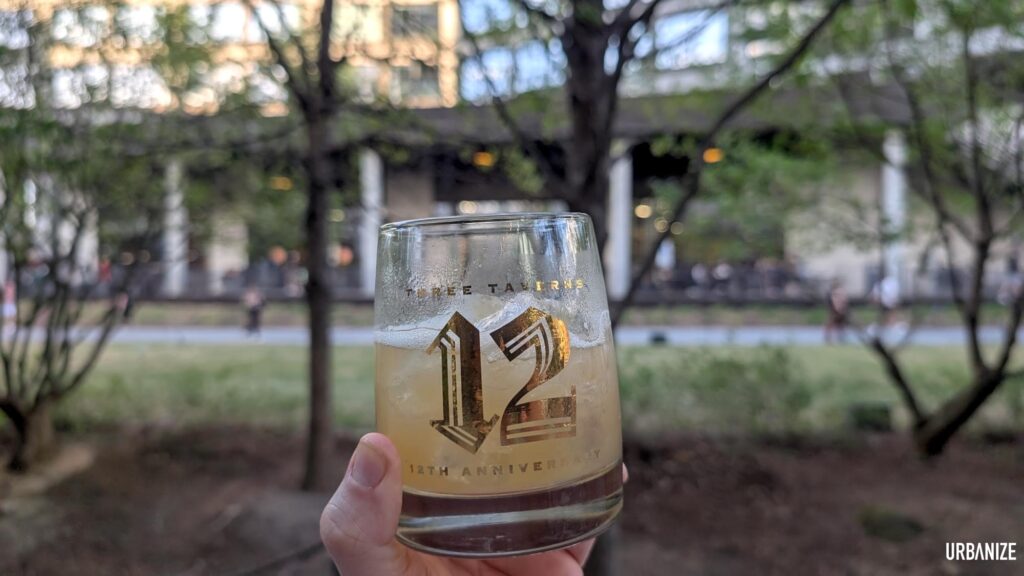
Built for the trail crowd
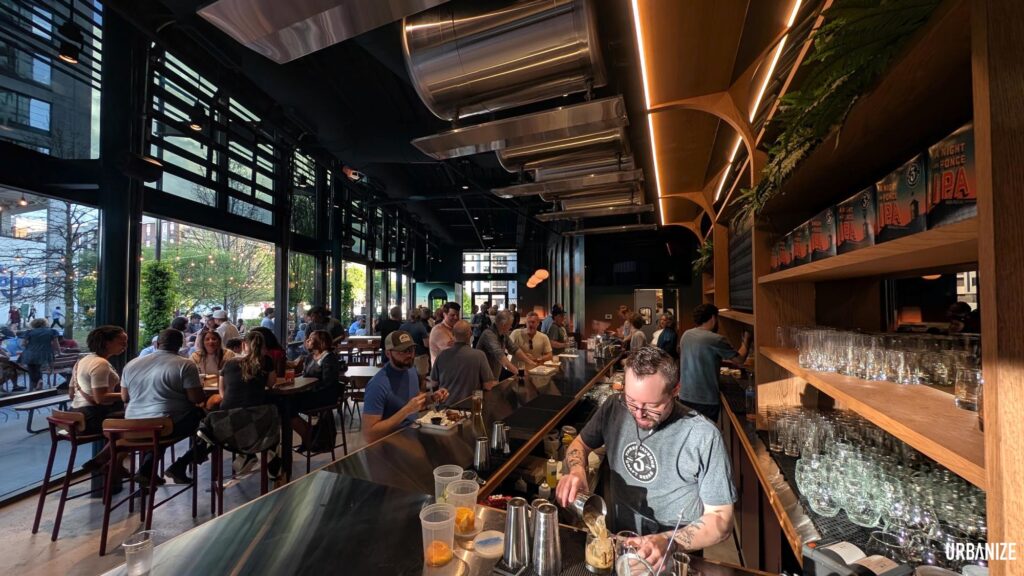
Described by Urbanize as “BeltLine‑facing,” the bar occupies a ground‑level storefront with clear sightlines to the Eastside Trail. It’s the kind of walk‑up addition the corridor has gradually evolved toward: open, visible, and designed to blur the boundary between public path and private venue. For passing trail users, that means an easy decision point—step inside, grab a seat, or meet friends who arrived earlier.
The design follows a proven Ponce City Market formula: approachable service, outdoor‑adjacent seating, and an emphasis on foot traffic rather than destination dining. It’s a recognition of a simple Atlanta reality: people arrive on the BeltLine intending to wander, and they linger when there’s somewhere welcoming to land.
What it adds to Old Fourth Ward
Ponce City Market sits at one of the BeltLine’s most active nodes. Over the past decade, its mix of shops, the food hall, and rooftop attractions has transformed the property into both a regional draw and a de facto community front porch for the Old Fourth Ward. This new bar deepens that role, offering another everyday amenity for nearby residents and workers within walking distance.
As with any new hospitality opening, the response in the neighborhood tends to come in layers. On the upside, a high‑visibility storefront brings evening energy, jobs, and more reasons to activate the market outside traditional shopping hours. At the same time, neighbors often keep an eye on how new bars manage crowding, noise, and cleanup—especially where residential buildings sit close to BeltLine nightlife.
Urbanize frames the opening as part of an ongoing evolution in PCM’s retail mix. Indakno has reached out to Ponce City Market management and the new tenant for additional details and will update this story as information becomes available.
Trail etiquette and shared space
As the BeltLine attracts more places to eat and drink, the balance between commerce and circulation becomes increasingly important. Successful trail‑adjacent operators plan for spillover: keeping seating clear of the trail, managing trash and restrooms, and training staff to steward busy periods without overwhelming the public realm or nearby homes.
If this new spot follows the precedent set by other BeltLine‑facing businesses—thoughtful layout, visible staff during peak hours, and coordination with market operations—it has the potential to enhance the corridor without adding strain.
When to go, what to know
Urbanize Atlanta’s preview offers an early look at the space; final details such as hours, menu offerings, and reservation policies are best confirmed directly with the venue or through Ponce City Market’s tenant listings. Located at 675 Ponce de Leon Ave. NE, the bar sits where the Eastside Trail makes one of its most visible passes along the market.
For visitors, the same unwritten rules apply as anywhere else along the BeltLine: expect to walk a short distance for seating, stay mindful of traffic on the trail, and support the businesses that keep the corridor lively by showing up responsibly.
You can read Urbanize Atlanta’s original sneak peek here: Urbanize Atlanta: Sneak Peek. Indakno will continue tracking how the new tenant settles into the neighborhood.
Indakno is building a community newsroom for metro Atlanta neighborhoods. Seen a new opening, change, or celebration on your block? Share it with us, and we’ll help spread the word.
Keeping You In The Know means more than following openings—it means understanding how Atlanta’s neighborhoods change, adapt, and live with what comes next.